
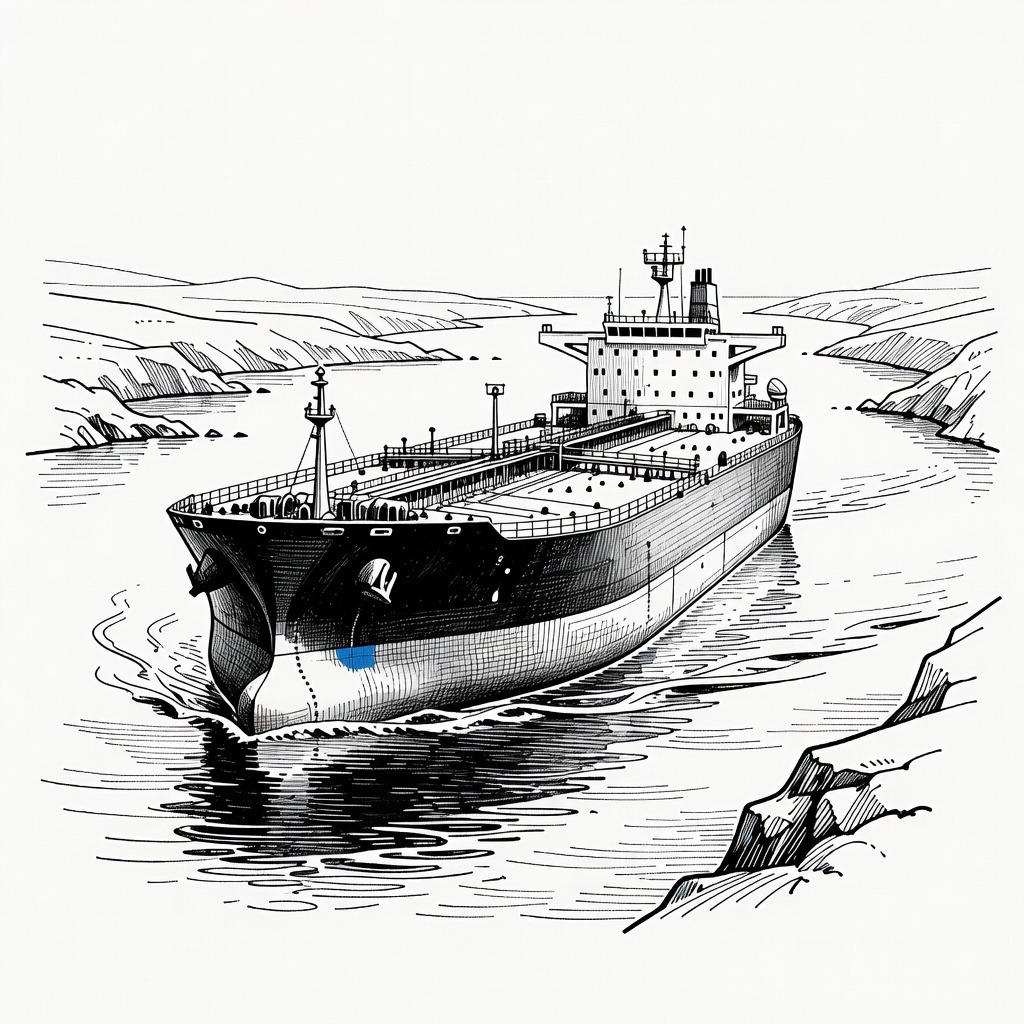
• Triumph of Diplomatic Off-Ramps Prioritizes conflict de-escalation and international cooperation over perpetual militarization. The 14-point memorandum of understanding signed by President Pezeshkian and President Trump represents a vital shift from armed conflict to a negotiated settlement. By exchanging a lifted U.S. naval blockade for a 60-day guarantee of toll-free commercial shipping through the Strait of Hormuz, this framework successfully halts the hostilities that began in February without requiring further loss of life.
• Catalyst for Regional Rehabilitation Views economic integration and civilian welfare as the primary engines for lasting peace. The removal of U.S. sanctions and the introduction of a $300 billion reconstruction plan for Iran are interpreted as necessary investments in systemic stability rather than mere concessions. Reintegrating Iran into the global economy directly benefits global populations by easing resource strain, evidenced by domestic U.S. gasoline prices immediately dropping below the $4 threshold to $3.99.
• Fragility of Post-Conflict Trust Worries that the psychological and material damage of war cannot be instantly erased by a preliminary agreement. The observation by a ship-tracking firm that commercial shippers remain hesitant to cross the Strait highlights the deep lingering fear caused by the recent blockade and conflict. Sustaining this diplomatic momentum requires the forthcoming final resolution to solidify international norms, ensuring the 60-day window matures into permanent, reliable peace rather than a temporary ceasefire.
How it may affect me
As a U.S. reader:
• In the short term, you will likely experience financial relief at the gas pump, as the diplomatic agreement has already lowered the national average for a gallon of gasoline to $3.99.
• Supply chains and the availability of imported goods may gradually stabilize over the next 60 days due to the reopening of the Strait of Hormuz, though lingering hesitation from commercial shippers could temporarily delay full market recovery.
• In the long term, the U.S. economy and domestic energy markets may face renewed vulnerability and supply chain disruptions if a permanent peace resolution is not secured before the 60-day shipping guarantee expires.
• Future domestic energy costs remain highly unpredictable going into 2026 and 2027, as energy agencies and oil producers hold conflicting projections on whether resumed trade will create a massive supply surplus or expose the market to future manipulation.
• The U.S. commitment to lift sanctions and introduce a $300 billion reconstruction plan for Iran could carry long-term geopolitical implications for national security, potentially altering global deterrence strategies and future international trade dynamics.