
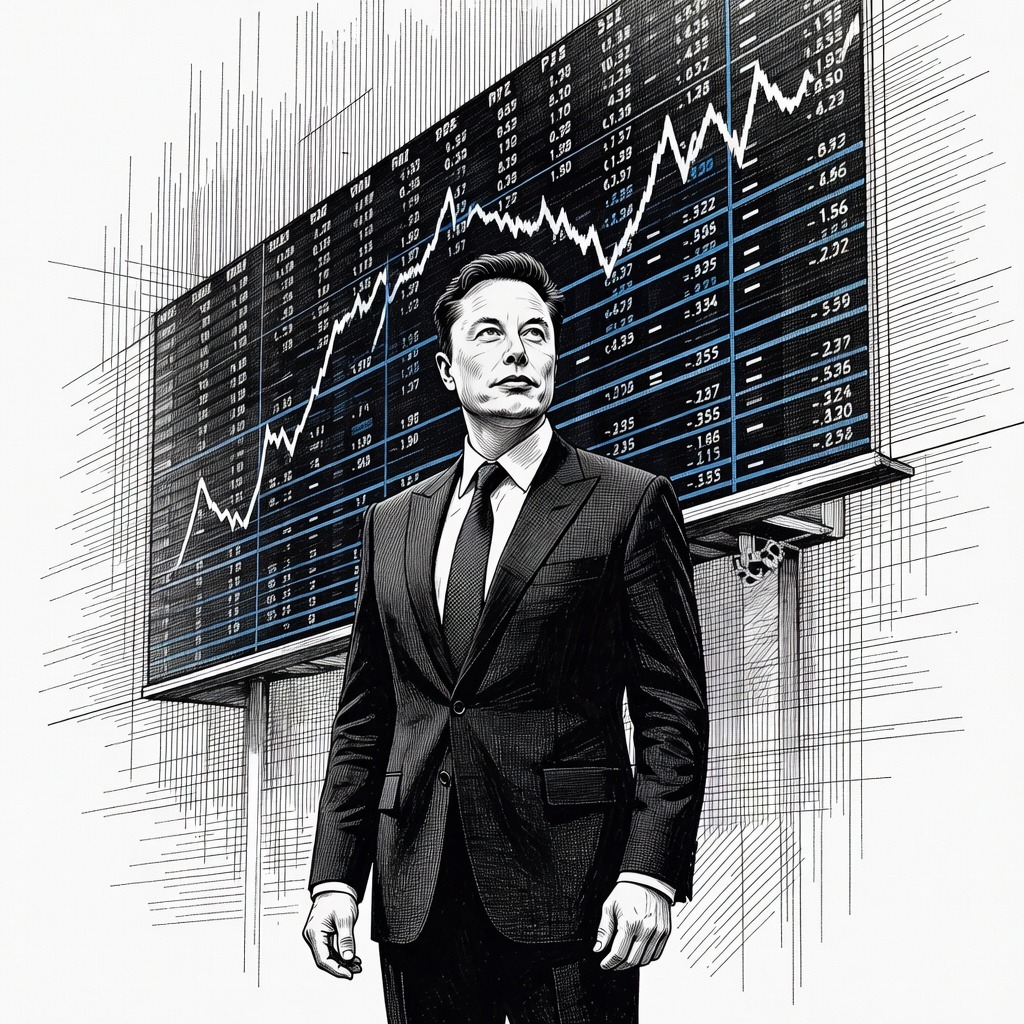
• Exposing Systemic Wealth Disparity Prioritizing social equity demands scrutinizing financial mechanisms that hyper-concentrate capital at the top. Elon Musk’s elevation to a $1 trillion net worth following the IPO starkly contrasts with the ongoing inflation struggles faced by everyday consumers. This massive valuation is viewed not as a triumph of shared prosperity, but as a glaring symptom of a structurally imbalanced economy where market gains aggressively extract wealth from the working class to enrich single actors.
• Eroding Institutional Corporate Governance Ensuring corporate accountability requires rigorous oversight and equitable checks on executive power. Musk's retention of 82 percent voting control effectively disenfranchises minority shareholders, transforming a publicly traded entity into an autocratic fiefdom. Institutional investors like AkademikerPension rightfully avoided the stock because this severe governance vacuum removes essential fiduciary guardrails, leaving external stakeholders entirely unprotected from unilateral executive whims.
• Fueling Monopolistic Market Consolidation Protecting fair economic ecosystems requires preventing unchecked mega-corporations from suffocating smaller competition. The immediate deployment of IPO capital to fund a $60 billion acquisition of the AI startup Cursor signals an aggressive move toward monopolistic tech integration. Consolidating massive swathes of both aerospace and artificial intelligence under a single $2.6 trillion umbrella risks creating an unaccountable corporate behemoth that can unilaterally dictate terms to the broader market.
How it may affect me
As a U.S. reader:
• Everyday retail investors and domestic pension funds now have the opportunity to buy shares in one of the world's most valuable aerospace companies, though in the long term, minority shareholders will have virtually no influence over corporate governance due to the chief executive retaining 82 percent voting control.
• In the short term, the company's immediate deployment of capital into an artificial intelligence startup is likely to accelerate rapid technological innovation and cross-sector development.
• Over the long term, the aggressive consolidation of aerospace and artificial intelligence resources under a single massive corporation risks stifling smaller competitors, potentially leaving consumers and broader markets with fewer alternative tech options.
• The record-breaking valuation and the chief executive's resulting trillion-dollar net worth are intensifying national political focus on systemic wealth disparity, which may directly shape future legislative debates regarding working-class inflation struggles and corporate accountability.