
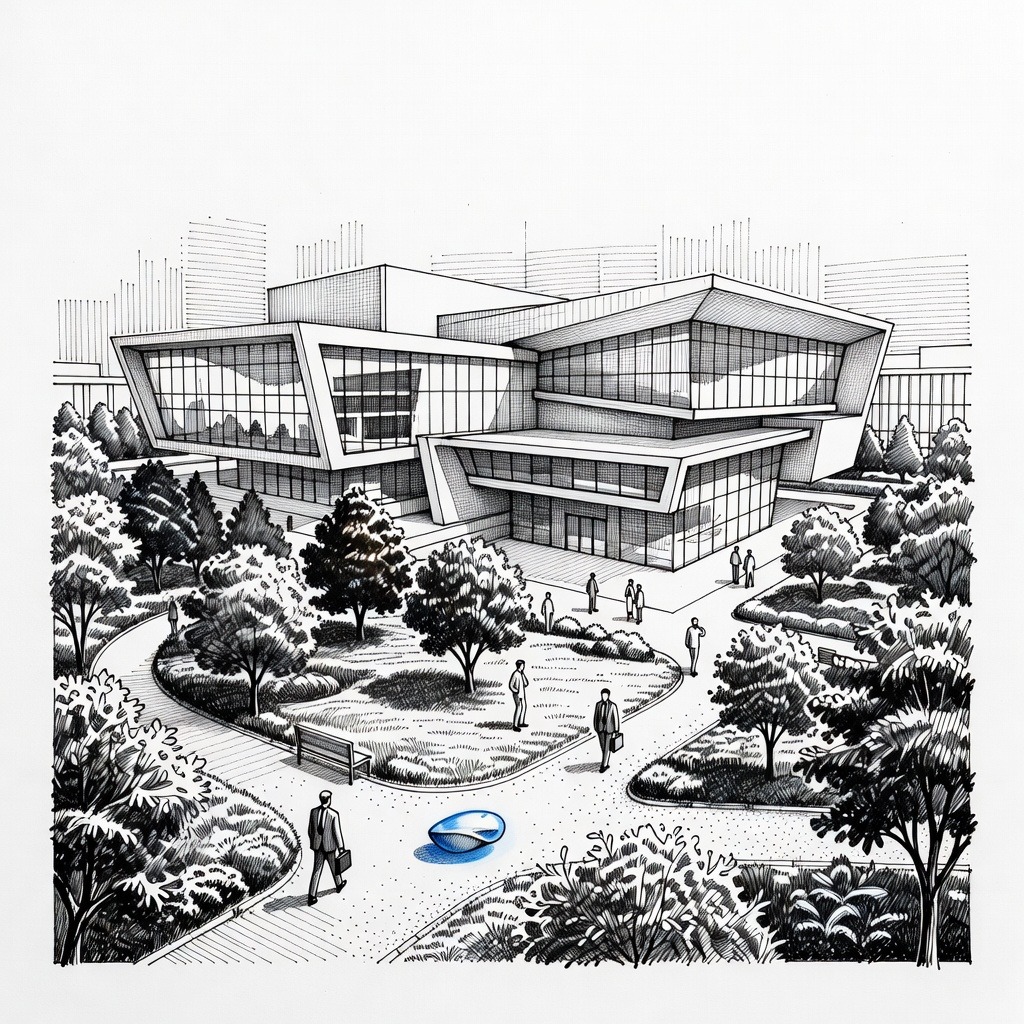
• Engine for Civic Empowerment Values active social progression over static historical preservation. By incorporating youth programming, athletic facilities, and community spaces into the campus, this framework views the center as a functional incubator for future activism. Obama’s explicit goal to serve as a "coach" aligns with the progressive priority of continually challenging the institutional status quo by training marginalized voices to navigate and wield civic power.
• Anchor of Social Progress Elevates civil liberties and structural reform as the ultimate measure of presidential success. Highlighting the 2010 Affordable Care Act and framing the administration within the broader history of American civil rights validates systemic intervention on behalf of the vulnerable. This narrative connects modern executive action to historic grassroots struggles, treating the presidency primarily as a vehicle for achieving broad social equity and protecting marginalized communities.
• Pivot Toward Urban Equity Prioritizes tangible community investment over the strict preservation of abstract public land. While local advocacy groups opposed the 20-acre footprint in Jackson Park, the progressive lens justifies this transfer of public space as a necessary trade-off for targeted urban revitalization. Tangible features like local hiring initiatives and sustainable flood-mitigation landscaping are championed as mechanisms delivering vital environmental and economic justice to an underserved geographical area.
How it may affect me
As a U.S. reader:
• In the long term, researchers and citizens seeking to review presidential records will need to use a fully digital database developed with the National Archives rather than viewing physical documents on-site, altering traditional access to executive files.
• Visitors planning trips to the Chicago campus will have free access to the outdoor spaces, athletic facilities, and parkland, but must secure timed tickets to enter the museum exhibits.
• Members of the public in the Chicago area will experience long-term infrastructural and economic changes, including local hiring opportunities and flood-mitigation landscaping, resulting from the permanent repurposing of 20 acres of municipal parkland.
• Young adults and community members may be impacted over the long term by the center's youth programs and community spaces, which are structured to train and coach a new generation of civic leaders and activists.