
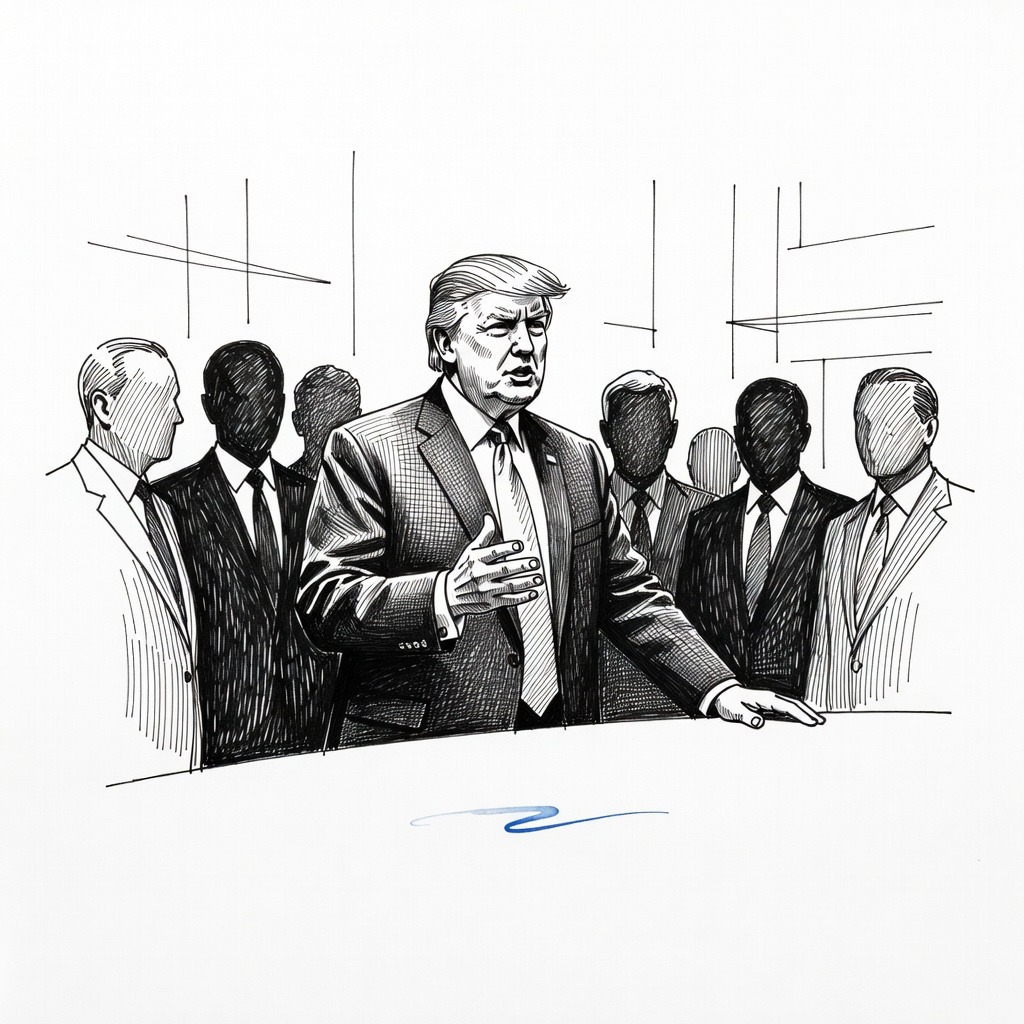
• Triumph of Diplomatic De-escalation Prioritizing negotiated settlements over armed conflict is essential for regional stability and human security. The Sunday Memorandum of Understanding successfully replaces a dangerous military standoff with a structured 60-day diplomatic negotiation window. By securing Iran's agreement to curb its nuclear program and negotiate its enriched uranium stockpile, this framework demonstrates that constructive dialogue achieves non-proliferation goals far more safely than military force.
• Catalyst of Economic Reintegration Offering tangible economic incentives is a necessary and highly effective mechanism to secure binding international agreements. Granting immediate waivers for Iranian oil exports, evidenced by the exit of three tankers carrying five million barrels, provides Tehran with a vital, good-faith reason to remain at the negotiating table. This measured economic relief builds crucial bilateral trust, proving that easing punitive blockades is a functional tool for long-term peace rather than a capitulation.
• Peril of Continued Brinkmanship Relying on the perpetual threat of violence undermines the foundational stability required for lasting diplomatic breakthroughs. President Trump’s warning of renewed military strikes within 60 days creates an artificial, highly volatile deadline that threatens to collapse these fragile negotiations. The shipping industry’s continued caution and high insurance premiums reflect the reality that true maritime security requires permanent, trust-based treaties rather than temporary pauses held together by military ultimatums.
How it may affect me
As a U.S. reader:
• In the short term, you will experience a pause in new U.S. troop deployments to the region while the 60-day negotiation window is active.
• The immediate risk of U.S. military involvement is delayed, but you face the possibility of renewed military strikes in 60 days if a final agreement is not reached.
• Long-term national security will be impacted by whether the negotiations successfully curb Iran's enriched uranium stockpile or if immediate oil export waivers inadvertently provide the regime with the funding needed to regroup.
• Short-term economic and supply chain impacts tied to global commercial transit may remain strained, as maritime insurers are maintaining high premiums and awaiting formal safety reassurances before resuming normal operations.