
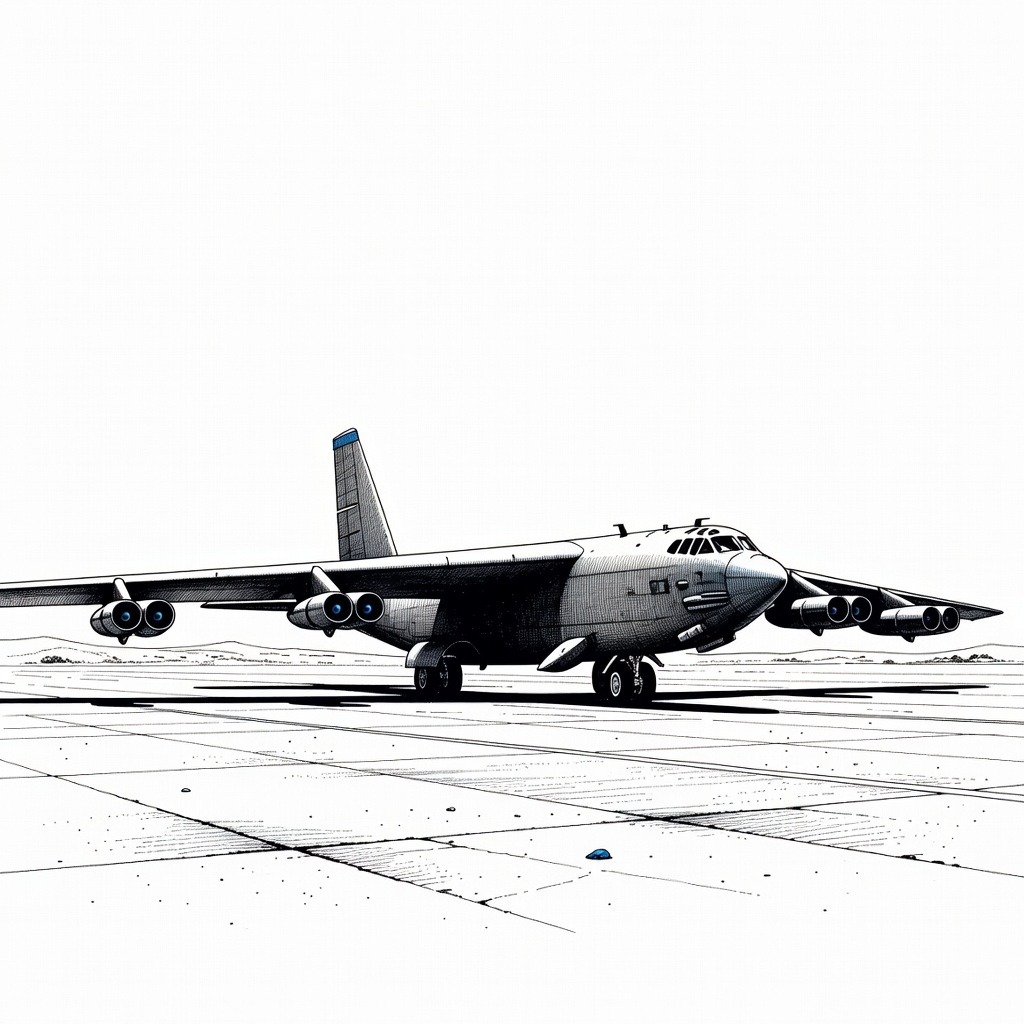
• Audit the Aging Arsenal The Reformer views the tragic death of eight individuals as a fatal symptom of clinging to outdated military infrastructure. By forcing personnel to conduct high-stakes tests on Cold War-era B-52s, the defense establishment risks human lives to preserve institutional inertia. This crash is seen as a severe failure of oversight, exposing the vulnerability of the frontline operators and civilian engineers who must shoulder the physical dangers of maintaining legacy hardware.
• Challenge the Sunk-Cost The Reformer questions the fundamental logic of pouring billions of dollars into extending a deeply aging aircraft's lifespan into the 2050s. The presence of private Boeing contractors on a doomed test flight underscores deep skepticism regarding the influence of the military-industrial complex. This camp argues that lucrative modernization contracts often drive defense policy, incentivizing the continuous, risky patching of obsolete systems over the objective safety of government personnel.
• Demand Unshielded Accountability With a complex mix of military officers, government civilians, and corporate personnel involved, the Reformer demands aggressive, independent transparency regarding the crash. They fear the projected months-long Air Force investigation could become an opaque, internal exercise designed to shield powerful defense contractors or high-ranking officials from liability. For this camp, breaking through military secrecy is paramount to ensure systemic flaws are corrected and future "unsurvivable" tragedies are prevented.
How it may affect me
As a U.S. reader:
• In the short term, you will likely experience no direct disruptions to your daily routine, as the accident occurred during a local test mission and was contained entirely within a military installation.
• Over the long term, your tax dollars may become the subject of increased scrutiny and policy debates regarding the billions currently being spent to upgrade and extend the operational lifespan of Cold War-era military aircraft into the 2050s.
• You may observe emerging political disputes over government transparency, specifically regarding whether internal Air Force investigations are adequate or if independent oversight is needed to hold defense contractors and military leadership accountable for safety.
• National security strategies and military readiness could be influenced in the coming months as leadership awaits the conclusion of the investigation to determine if the radar modernization program should proceed or if reliance on legacy aircraft needs to be reevaluated.