
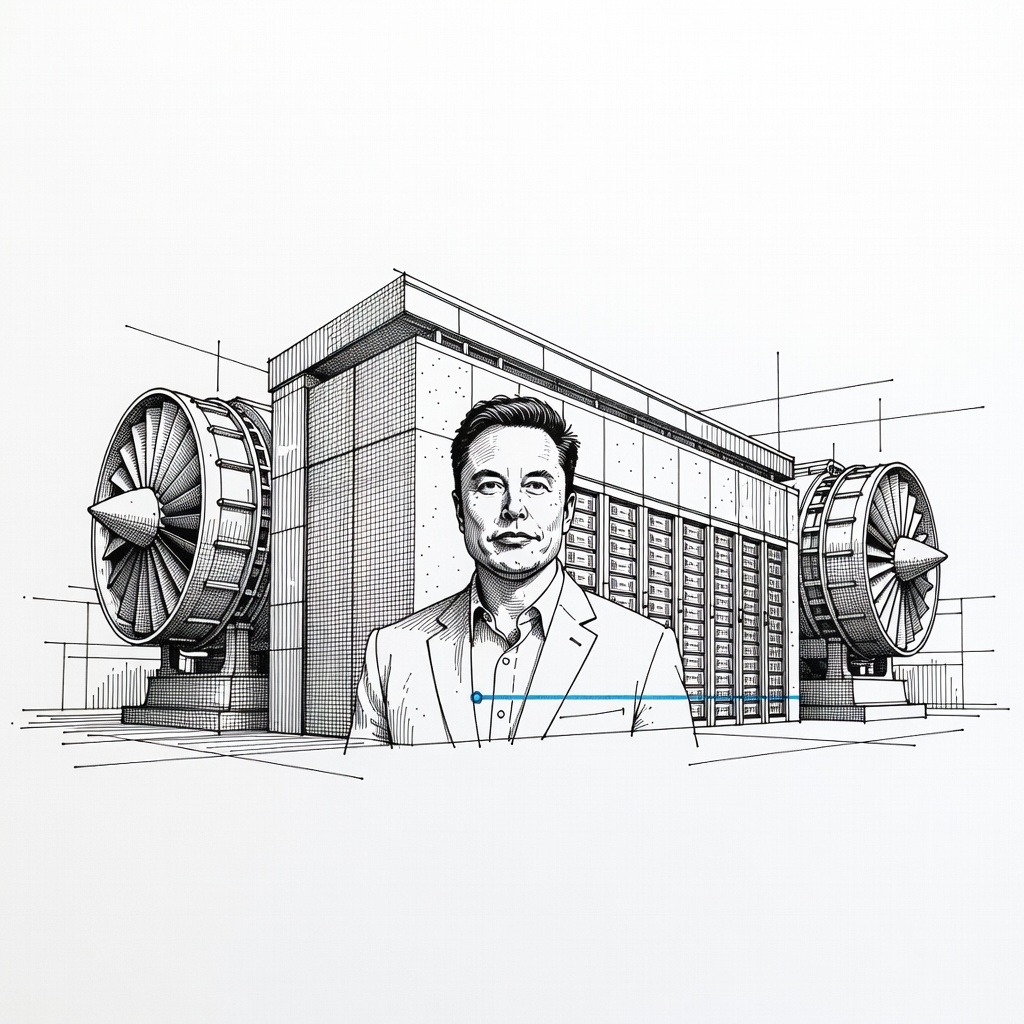
• Shielding Elite Tech Oligarchies Prioritizes social equity and public health over corporate exceptionalism. The DOJ’s intervention to shield SpaceX and xAI from Clean Air Act enforcement signals a systemic prioritization of elite capital over vulnerable communities. By attempting to override local protests in Memphis and northern Mississippi, the government effectively sanctions the externalization of pollution costs—specifically smog-forming emissions from gas turbines—onto marginalized populations to benefit a newly valued $2 trillion enterprise.
• Eradicating Crucial Citizen Oversight Views the legal maneuver as a direct assault on democratic accountability and civil liberties. Allowing the federal government to preempt private citizen lawsuits filed by groups like the NAACP dismantles a core check against both corporate overreach and state regulatory failure. Granting the executive branch unilateral veto power over public litigation threatens to hollow out fundamental civic mechanisms designed to enforce environmental laws when state regulators abdicate their duties.
• Weaponizing National Security Exceptions Warns against the blank-check application of "national security" to bypass domestic environmental protections. Using the DoD’s interest in the Grok software model to justify unregulated data centers sets a highly destabilizing legal precedent. Reformers fear this framework will be continually exploited by the technology industry to evade accountability, permanently subordinating local ecological and human health to opaque military and geopolitical objectives.
How it may affect me
As a U.S. reader:
• Residents near the Memphis and northern Mississippi data centers may experience ongoing exposure to smog-forming pollutants, potentially posing short- and long-term health risks if the gas turbines remain exempt from federal emissions permits.
• In the long term, private citizens and civil rights groups could lose a primary legal tool for environmental oversight if the government successfully establishes a precedent to veto private citizen lawsuits on national security grounds.
• General national security and military capabilities may be maintained or strengthened, as protecting these data facilities from domestic litigation ensures the Department of Defense retains uninterrupted access to critical artificial intelligence infrastructure.
• The domestic technology and defense sectors could see faster infrastructure expansion with less legal friction, as overriding environmental litigation aims to prevent bureaucratic delays and keep American artificial intelligence development competitive against foreign adversaries.