
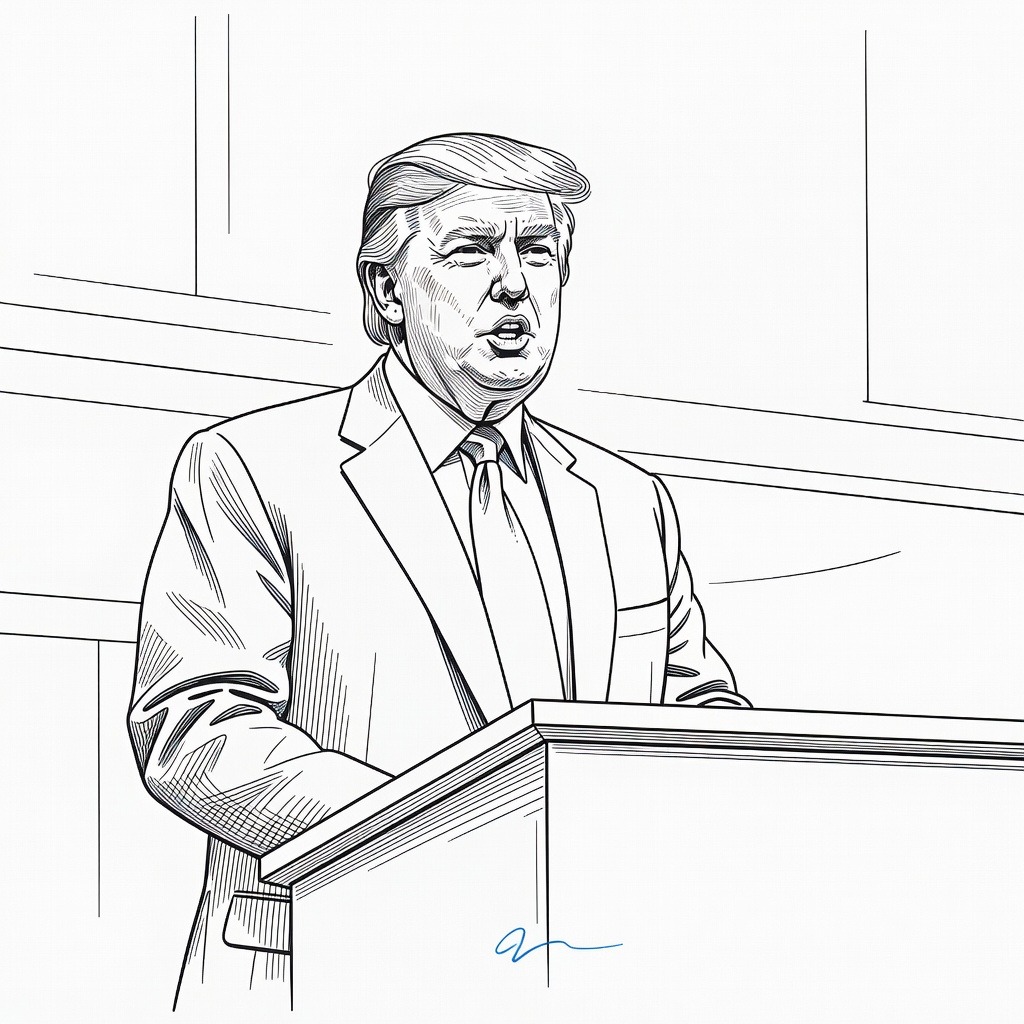
• Anchor the Diplomatic Breakthrough Prioritizing regional stability requires seizing rare opportunities for structural peace over tactical military operations. The impending U.S.-Iran agreement represents a vital de-escalation of hostilities, making President Trump’s public rebuke of Prime Minister Netanyahu a necessary defense of a fragile truce. By challenging the weekend attacks on Hezbollah targets in Beirut, this perspective views the suppression of kinetic action as essential to protecting the broader diplomatic framework from premature collapse.
• Leverage Multilateral Consensus Power Sustainable peace relies on broad international cooperation rather than isolated national agendas. The endorsement of the U.S.-Iran deal by European leaders at the G7 summit in Évian-les-Bains validates a multilateral approach to conflict resolution. European Commission President Ursula von der Leyen’s concurrent demands for a brokered ceasefire in Lebanon and a toll-free Strait of Hormuz demonstrate how collective economic and diplomatic pressure is favored as the primary engine for enforcing global stability.
• Threat of Unilateral Sabotage Unrestrained military presence inherently destabilizes negotiated settlements and risks catastrophic regional fallout. Israeli assertions that their troops will remain in Lebanon, unrestricted by the U.S.-negotiated agreement, are viewed as a dangerous provocation that directly undermines the humanitarian priority of ending the conflict. With Iran’s foreign minister warning that continued occupation violates the diplomatic framework, this camp fears that unilateral military defiance will inevitably trigger a rapid reversion to broader warfare.
How it may affect me
As a U.S. reader:
• In the short term, the advancing peace agreement intends to formally end military conflict between the U.S. and Iran, reducing the immediate risk of U.S. forces being involved in direct warfare with Tehran.
• U.S. taxpayers will not bear the immediate financial burden of the agreement, as the U.S. will not provide direct financial investments; instead, the $300 billion capital pool for Iran relies on funding from the Gulf Coast Coalition.
• Long-term global shipping costs and related economic conditions could be impacted by the new diplomatic framework if European demands to reopen the Strait of Hormuz to navigation without tolls are implemented.
• There remains a long-term risk of a rapid reversion to broader regional warfare, which could draw upon U.S. resources, if the fragile diplomatic truce collapses due to continued Israeli military presence and operations in Lebanon.