
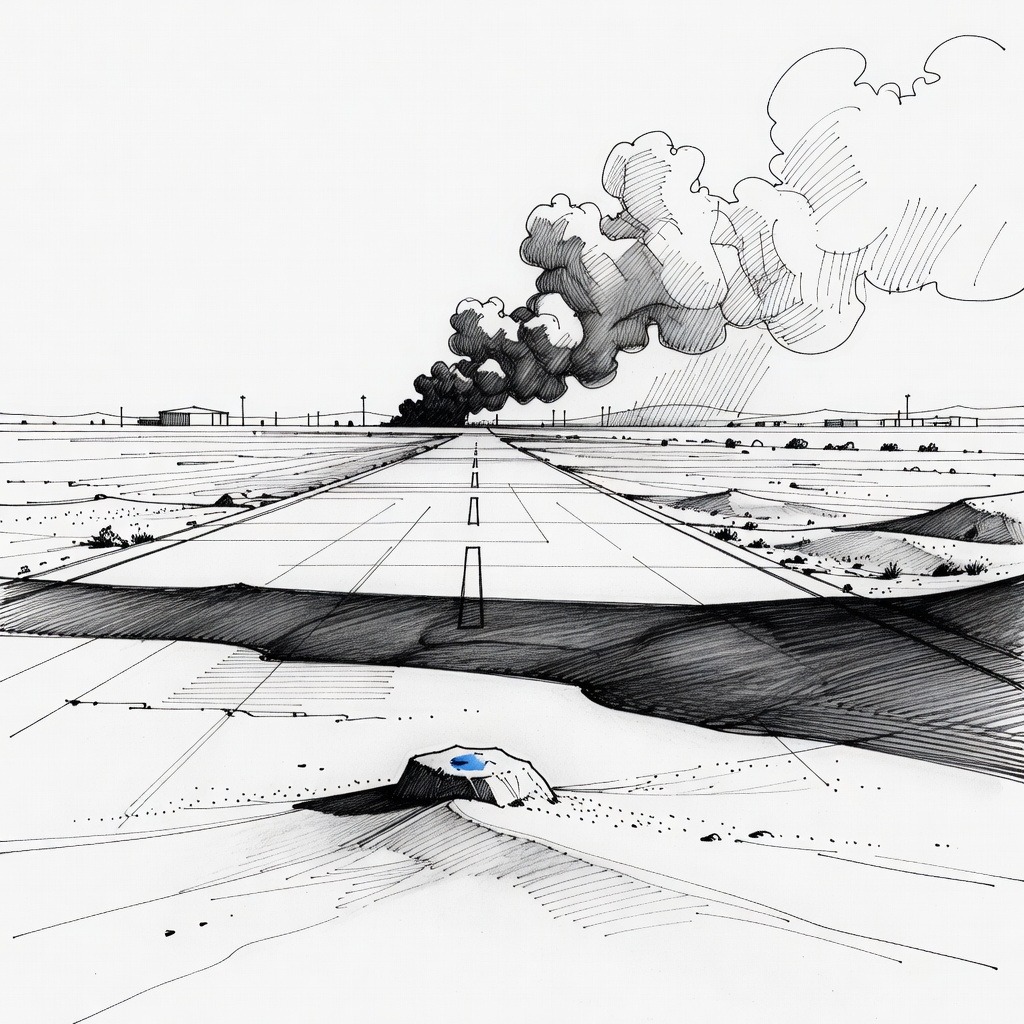
• Toll of Endless Modernization Valuing human life and safety over perpetual military expansion, this framework views the loss of eight individuals as a tragic consequence of the military-industrial complex. The fatal crash of the B-52 Stratofortress during a "radar modernization" test underscores the severe human hazards embedded in upgrading aging legacy weapons systems. For this camp, the relentless drive to push old airframes to their limits for the sake of new technological integration forces personnel to bear ultimate physical risks to sustain global military posturing.
• Hazards of Privatized Defense Skeptical of corporate entanglement in military operations, this camp highlights the presence of "government contractors" among the casualties as a symptom of a highly privatized defense infrastructure. The mixed-crew casualty list reveals how deeply intertwined civilian enterprise and defense contracting are with high-stakes military testing. This blending of roles raises deep concerns that the structural pursuit of lucrative defense contracts effectively outsources extreme operational risks onto a blend of civilians and uniformed service members.
• Shielding the Industrial Complex Prioritizing strict institutional accountability, this perspective fears the "several months" required for a formal investigation will serve to insulate defense contractors and military brass from meaningful public scrutiny. The immediate lockdown of Edwards Air Force Base and the suspension of visitor passes, while standard protocol, effectively seals off independent oversight of the June 15 incident. There is a profound underlying concern that a closed-door, military-led review will ultimately prioritize saving the modernization program and protecting institutional funding over addressing systemic safety failures.
How it may affect me
As a U.S. reader:
• In the short term, members of the public attempting to visit or fly into Edwards Air Force Base will face immediate access restrictions due to the temporary airfield closure and the suspension of non-commercial visitor passes.
• For the civilian workforce, the fatalities of government contractors highlight the practical occupational hazards of privatized defense testing, which may lead to shifts in safety protocols and operational oversight for non-military personnel working on legacy weapons systems.
• In the long term, the months-long investigation into the crash could impact the general public by influencing national defense funding, specifically regarding how taxpayer dollars are allocated toward military modernization programs versus the preservation of aging strategic bomber fleets.