
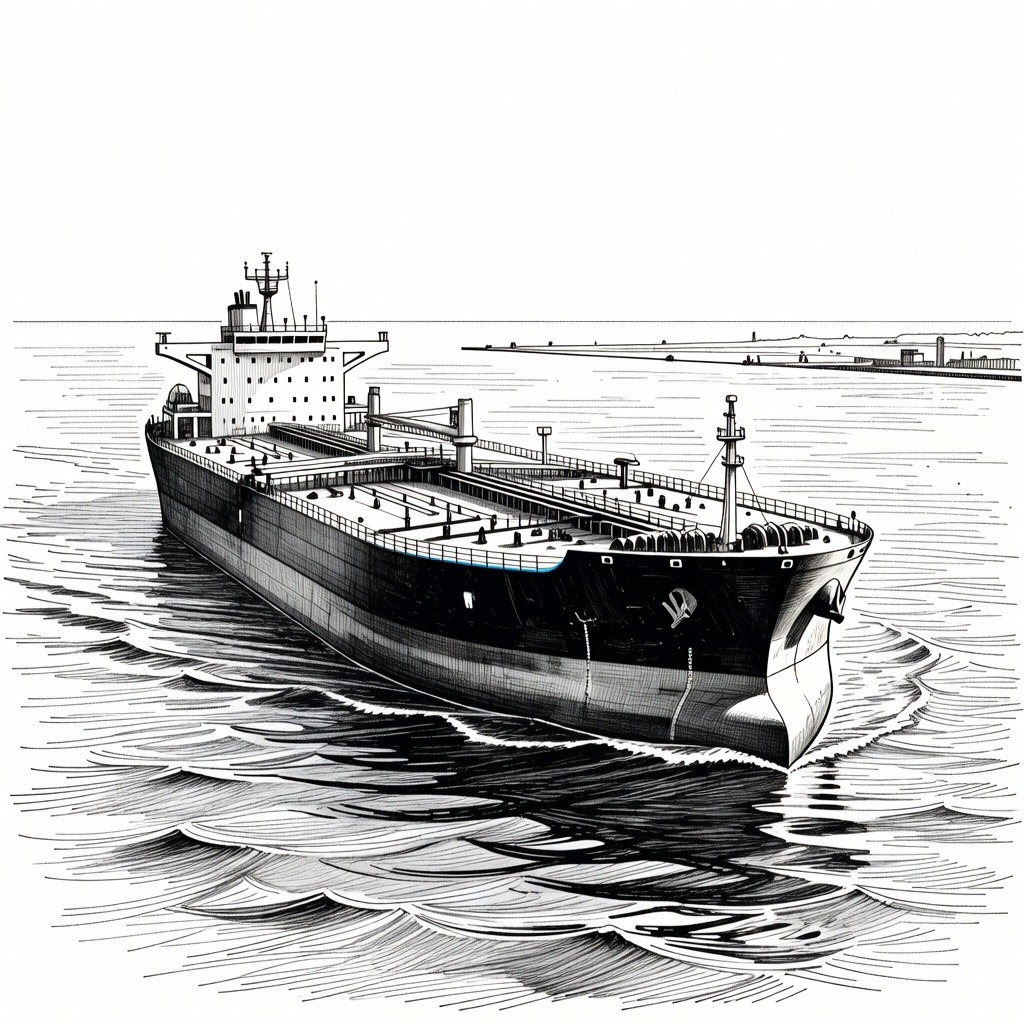
• Triumph of Diplomatic De-escalation Prioritizes non-violent conflict resolution and views formalized negotiations as the only sustainable method for global stability. The announced peace agreement to reopen the Strait of Hormuz is celebrated as a necessary retreat from dangerous military brinkmanship involving the U.S., Israel, and Iran. By replacing a volatile U.S. naval blockade with a formal diplomatic accord set to be signed in Switzerland, this perspective champions the preservation of human life over aggressive posturing.
• Engine of Corporate Extraction Prioritizes national sovereignty and remains deeply skeptical of Western economic interventions in developing nations. The U.S. administration’s active effort to "facilitate changes to Venezuelan laws" and the Treasury Department’s expansion of dispute resolution venues are viewed as aggressive corporate overreach. This camp interprets the National Energy Dominance Council's push for binding contracts not as a strategic victory, but as a neo-colonial maneuver to exploit a vulnerable nation for the benefit of major energy corporations.
• Gamble of Eroded Sovereignty Fears that intertwining international diplomacy with aggressive resource acquisition sets a destructive precedent for international law. Permitting interim Venezuelan President Delcy Rodríguez to reserve oil acreage for foreign firms before finalized agreements are even reached bypasses domestic democratic accountability. The underlying risk is that U.S. foreign policy is being weaponized to act as an enforcement arm for independent energy firms, ultimately destabilizing local governance to satiate Western energy demands.
How it may affect me
As a U.S. reader:
• In the short term, the reopening of the Strait of Hormuz could help stabilize domestic fuel and energy costs by restoring a vital maritime route that handles one-fifth of the global oil supply.
• The formal diplomatic agreement and the removal of the U.S. naval blockade reduce the immediate risk of the United States engaging in direct military conflict or further brinkmanship with Iran.
• Over the long term, American consumers and the broader economy may become better insulated from Middle Eastern geopolitical shocks as the U.S. government actively helps energy firms secure alternative global oil supplies in Venezuela.
• U.S. workers and investors tied to the energy sector may experience new business opportunities as the government amends regulations and Treasury Department licenses to facilitate corporate expansion into Venezuelan oil fields.