
• Shielding the Vulnerable Consumer Prioritizing cost-of-living relief, this camp views the 60-day U.S.-Iran ceasefire as a critical victory for working-class economic stability. The resulting drop in oil prices and improved inflation outlook directly alleviate the regressive pressures of energy costs on everyday households. Securing the Strait of Hormuz is therefore framed less as a geopolitical win and more as an essential safeguard for the purchasing power of ordinary citizens ahead of Chairman Kevin Warsh’s first Federal Open Market Committee meeting.
• Challenging Speculative Capital Concentration Skeptical of massive wealth centralization, this lens views the record-setting $85.7 billion SpaceX IPO with deep caution. Despite the staggering $2 trillion valuation and the 19 percent Friday stock jump, the underlying financial reality exposes a $4.9 billion loss last year and $41 billion in total historical losses. This profound disconnect between market capitalization and actual profitability signals a speculative tech bubble that disproportionately enriches corporate insiders while relying on everyday retail investors to shoulder the underlying financial risk.
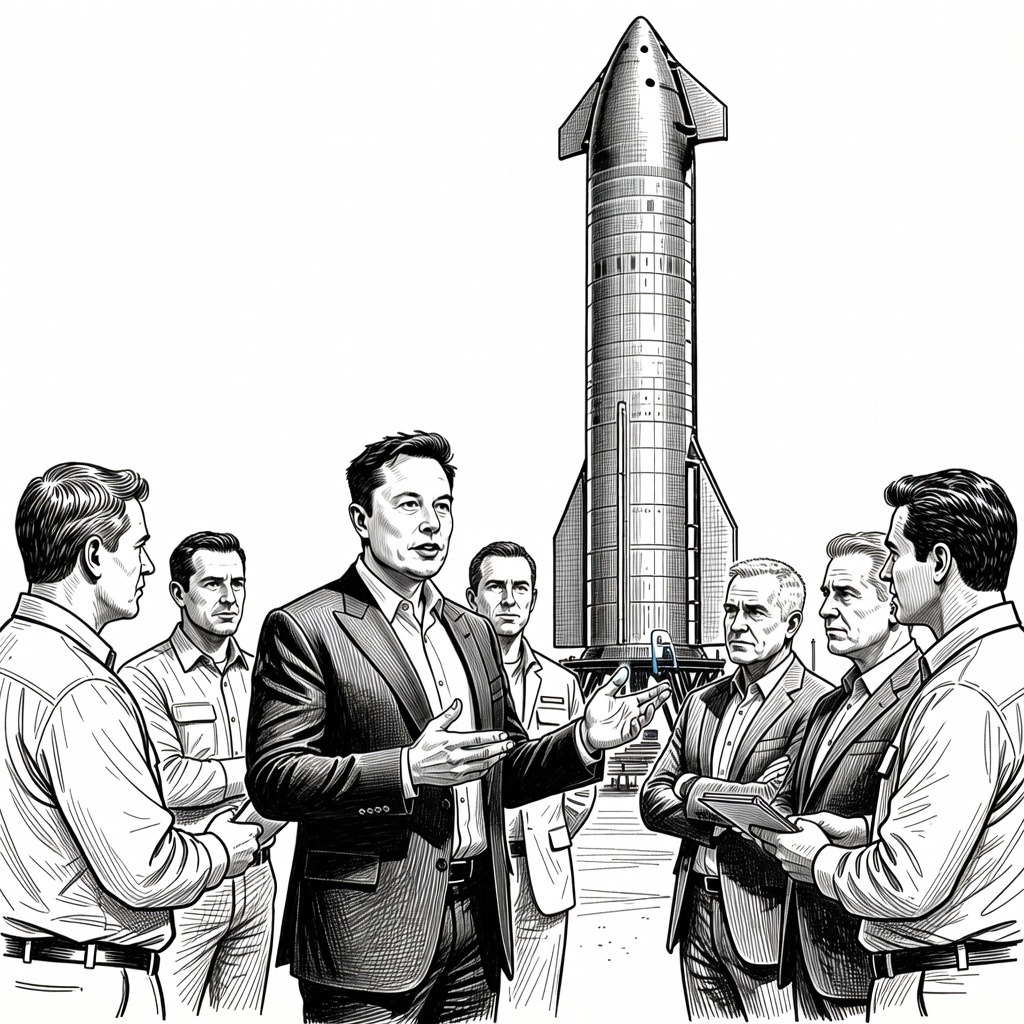
• Gambling on Monopolistic Control Prioritizing public oversight of critical infrastructure, consumer advocates warn against the sweeping privatization of the public commons. Using massive IPO capital to fund Starship rockets, expand the Starlink network, and build orbital artificial intelligence data centers centralizes unprecedented technological power within a single, historically unprofitable corporate entity. There is deep concern that allowing a private megacorporation to unilaterally dominate global communications and space infrastructure invites anti-competitive practices and evades necessary democratic regulation.
How it may affect me
As a U.S. reader:
• In the short term, everyday households may experience direct cost-of-living relief and lower energy expenses resulting from the drop in global oil prices.
• Individuals with retirement accounts or personal stock investments could see immediate short-term portfolio growth due to the broad market rally, lowered bond yields, and stabilized global supply chains.
• Long-term domestic technology access and industrial development may expand through new private initiatives, such as the proposed semiconductor chip factory in Texas and wider satellite communication networks.
• Retail investors who choose to purchase newly available aerospace shares face potential long-term financial risk by exposing themselves to a corporate entity with tens of billions of dollars in historical losses.
• Over the long term, the sweeping privatization of orbital data and communications infrastructure could reduce market competition, potentially leaving the public dependent on a single corporate monopoly for critical global technologies.