
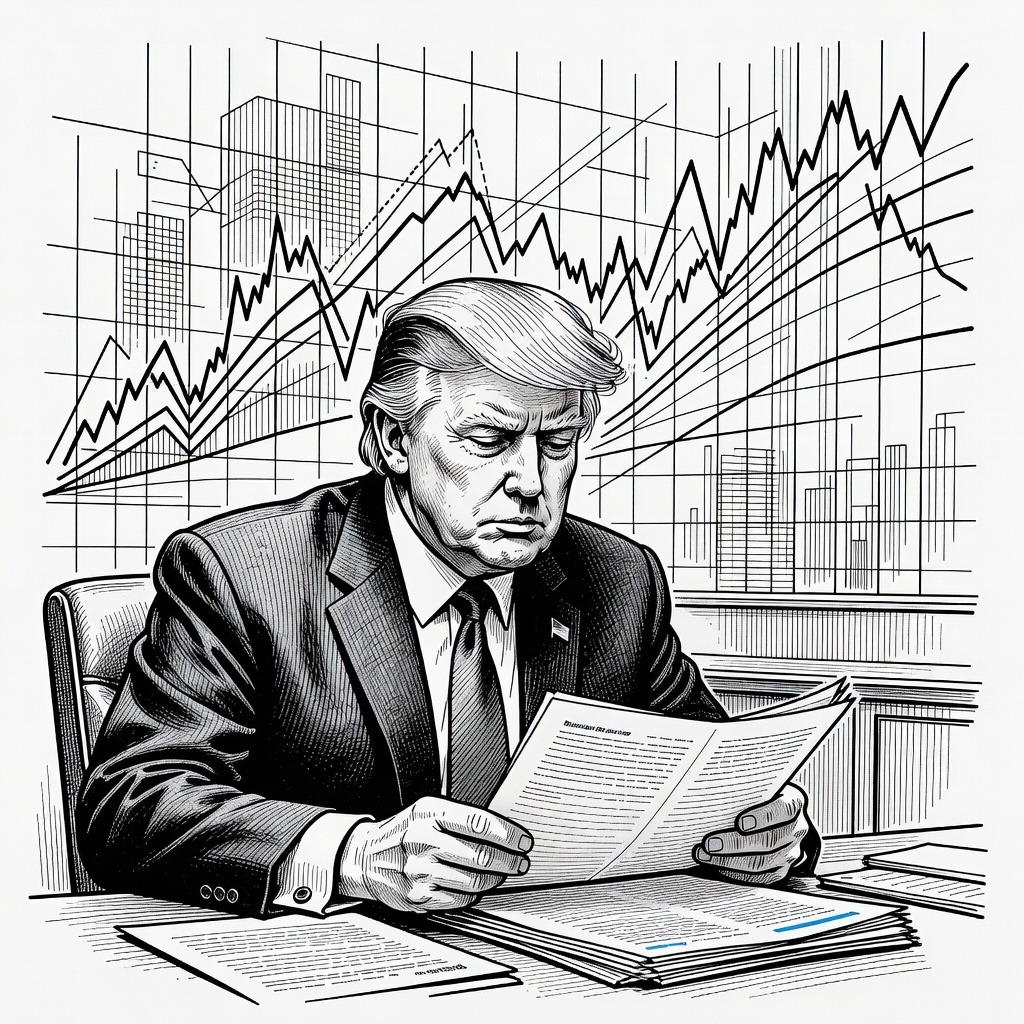
• Engine of Undue Influence Prioritizing absolute government accountability, this camp views the staggering volume of 3,642 trades within a three-month window as a structural failure of executive ethics. Because the president does not utilize a formal blind trust, the massive scale of transactions—particularly purchases in companies like Nvidia and Palantir—creates an inherent and unacceptable conflict of interest. They interpret the exact intersection of favorable government actions and presidential statements directly benefiting these specific holdings as undeniable evidence of systemic institutional exploitation.
• Facade of Plausible Deniability Valuing transparency over procedural loopholes, reformers reject the Trump Organization's defense that independent managers operate the accounts without presidential input. They argue that informal third-party management provides legal cover without ensuring true ethical insulation, allowing the executive branch to feign ignorance while overseeing portfolios moving hundreds of millions of dollars. The reliance on this defense by officials like Treasury Secretary Scott Bessent is viewed not as compliance, but as a coordinated evasion of public oversight.
• Catalyst for Structural Overhaul Viewing the current ethical guardrails as fundamentally broken, this perspective uses the ambiguity of the massive trading volume to advocate for comprehensive legislative action. Because financial advisers cannot agree whether the erratic patterns represent direct indexing or highly tax-inefficient maneuvering, reformers argue that the precise financial motive is secondary to the overarching ethical breach. They channel this opacity into bipartisan momentum—echoing calls from lawmakers like Andy Kim and Josh Hawley—to establish an absolute, systemic ban on stock trading by federal officials.
How it may affect me
As a U.S. reader:
• In the long term, you may see changes to the ethical rules governing your elected representatives, driven by renewed bipartisan momentum to pass legislation that establishes an absolute ban on stock trading by federal officials.
• In the short term, public confidence in the impartiality of federal decision-making could be impacted by proposed congressional investigations into whether specific government actions and statements were made to benefit executive holdings in companies like Nvidia and Palantir.
• You may observe continuous disruptions in routine executive governance, as political disputes over whether these massive trading volumes represent standard wealth management or ethical breaches potentially divert time and focus away from standard administration duties.