
Workers Begin Removing Trump's Name from Kennedy Center Following Court Order

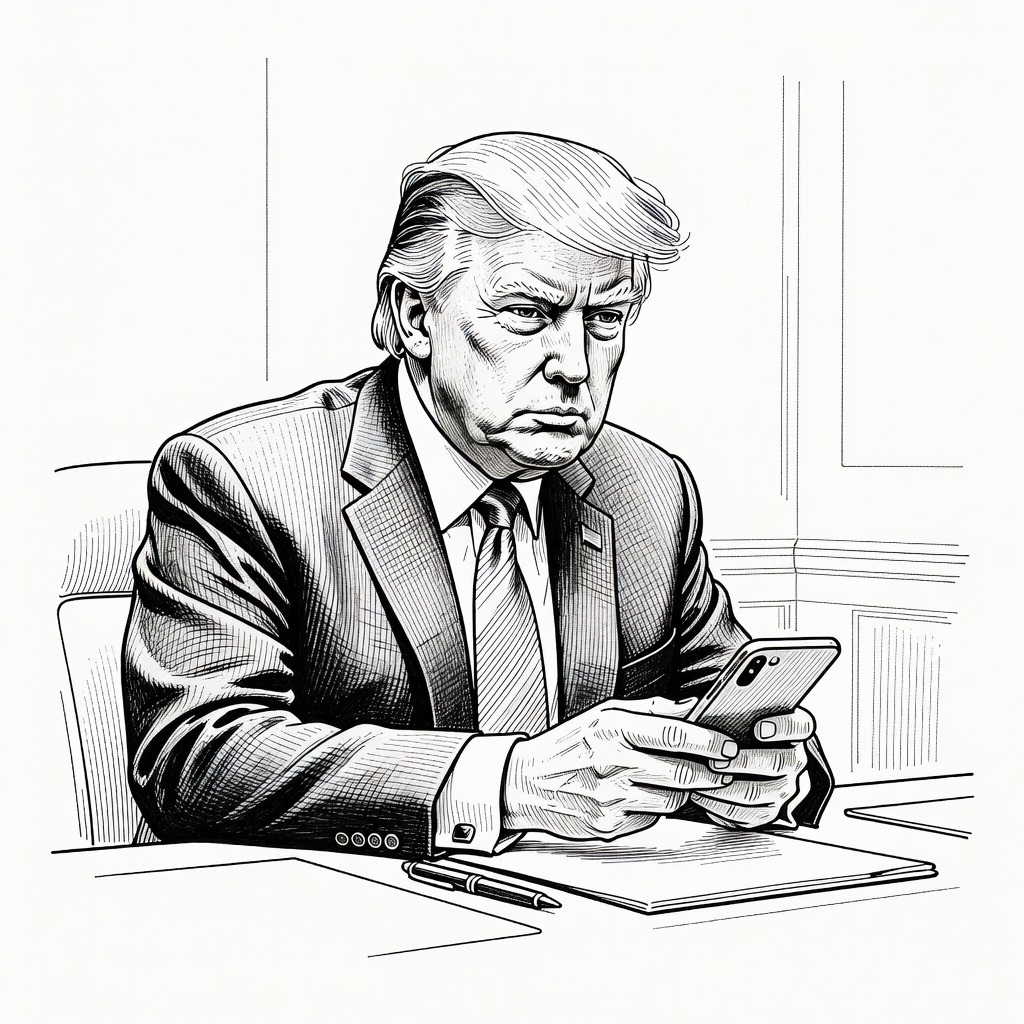
Illustration for: Workers Begin Removing Trump's Name from Kennedy Center Following Court Order
AI-generated illustration. Visual interpretation does not represent real individuals or scenes.

THE BARE STORY

Early Saturday, crews began removing President Donald Trump's name from the facade of the John F. Kennedy Center for the Performing Arts in Washington, D.C. The action followed a federal court order and a Friday midnight deadline, which was extended to noon on Saturday due to thunderstorms that posed safety risks to workers. Federal courts repeatedly denied last-minute requests to delay the mandate.

The removal stems from a lawsuit filed by Representative Joyce Beatty, an ex-officio board member of the Kennedy Center. U.S. District Judge Christopher Cooper ruled that the renaming was illegal because a 1964 federal statute established the venue as a living memorial to former President John F. Kennedy, meaning only Congress possesses the authority to alter its name. Prior to the physical removal, the institution had already begun complying with the order by removing the name from its website, promotional materials, and internal documents.

In addition to mandating the name removal, Judge Cooper blocked a planned two-year closure of the facility for major renovations scheduled to begin in July. In legal appeals, government lawyers and the center's leadership argued against the court's interventions. They claimed that removing the name and halting the closure would disrupt fundraising and prevent critical repairs, warning of potentially life-threatening structural damage that could lead to the building's collapse.

The addition of the president's name occurred after Trump removed the center's previous leadership one month into his second term, installing a new board of trustees that appointed him chairman. Following the recent court rulings, the president stated on social media that he would abandon the overhaul project if not permitted to direct its rebuilding and financing. The Department of Justice has formally appealed the decisions.

Same Facts. Different Perspectives.

Two AI models. Two viewpoints. One factual foundation.

• Curb Unilateral Power Grabs Prioritizing government accountability requires strictly limiting executive overreach into cultural and civic spaces. By firing the center's leadership one month into his second term, installing loyalists, and crowning himself chairman, the president bypassed democratic norms to consolidate control. The court mandate to remove his name serves as a vital check on this power, proving that no individual can co-opt a public institution by administrative fiat.

• Shield Statutory Legislative Authority Defending the structural integrity of the legal system means deferring to the original 1964 federal statute over executive ambition. Because the venue was established explicitly as a living memorial to John F. Kennedy, only Congress holds the legal mandate to alter its identity. Judge Christopher Cooper’s ruling validates the necessity of legislative consent, preventing the executive branch from erasing established historical mandates for personal branding.

• Defy Conditional Public Stewardship Public institutions must not be held hostage to the personal financial or branding demands of elected officials. The president’s threat to abandon the overhaul entirely unless permitted to direct the financing and rebuilding is viewed as a dangerous commodification of civic duty. Relenting to this ultimatum would set a hazardous precedent where necessary infrastructure maintenance is permanently tied to the ego and unilateral demands of the executive.

How it may affect me

As a U.S. reader:

• You will have continued short-term access to the Kennedy Center, as a federal judge blocked a planned two-year closure of the facility that was scheduled to begin in July.

• You may face future safety risks if visiting the venue, as government lawyers and center leadership warned that blocking the renovations halts critical repairs and risks a potentially life-threatening building collapse.

• The long-term physical and financial viability of this national cultural asset may be negatively impacted by the stalled renovations and the president's stated intent to abandon the rebuilding project and its financing.

• You will see a reinforced legal precedent regarding the management of public institutions, ensuring that executive officials cannot unilaterally rebrand federally established civic memorials without legislative consent.

Read the story at

Note: All TheBareNews content is AI-generated. For additional context, reporting, and updates, you are invited to explore the news outlets linked above.