
• Shielding Spectacle Over Society Civic accountability demands that state resources serve the vulnerable rather than subsidizing global entertainment. Demonstrators outside Estadio Azteca are reacting to the glaring contradiction of funding a massive tournament while ignoring profound domestic crises, including rampant poverty, cartel violence, and an estimated 130,000 missing persons. From this viewpoint, the tournament represents a gross misallocation of capital that actively masks systemic institutional failures behind an international sporting spectacle.
• Escalation Through Militarized Force Deploying heavily equipped riot police to manage domestic dissent inherently prioritizes state control over human life and civil liberties. When authorities meet anti-government frustration with batons and shields, the resulting chaos directly compromises public safety rather than preserving it. This heavy-handed approach is viewed as the primary catalyst for collateral tragedies, directly evidenced by emergency personnel being delayed in reaching a man suffering a heart attack amid the state-exacerbated unrest.
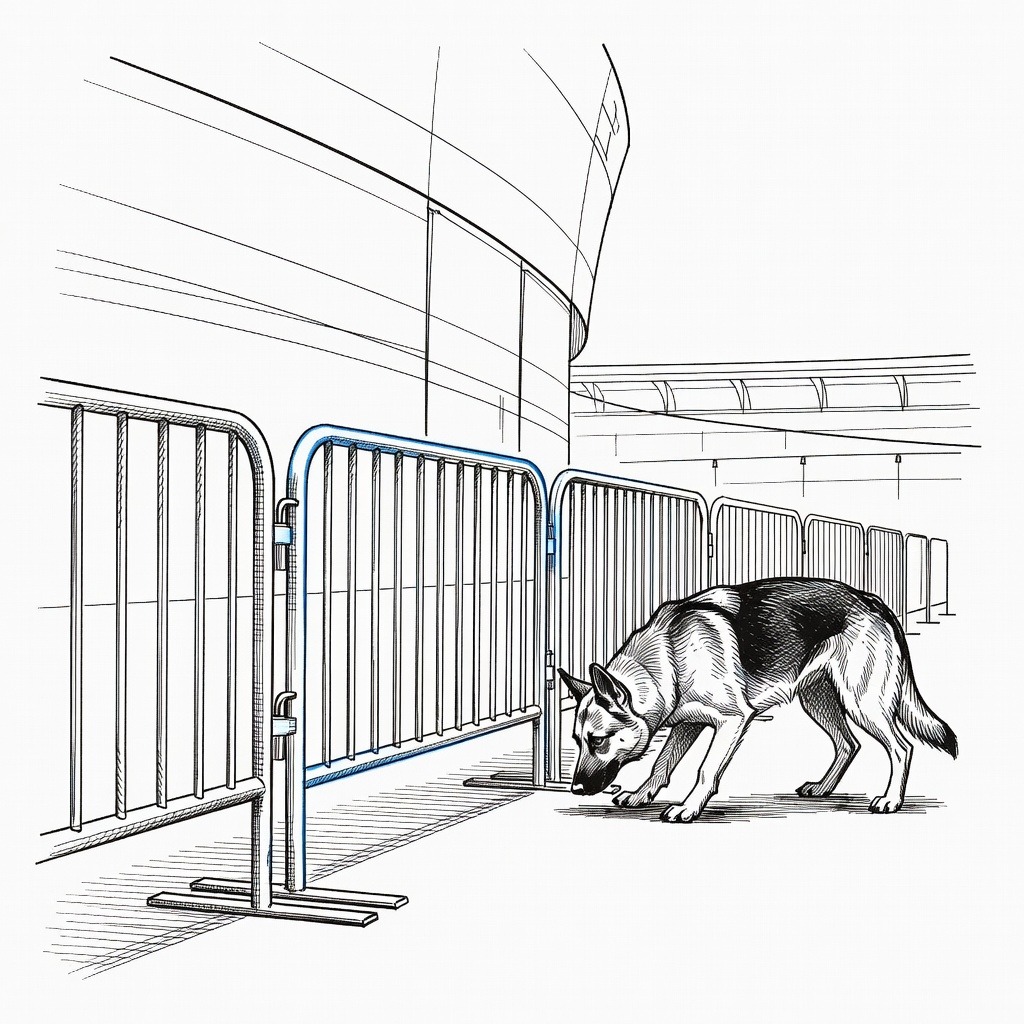
• Normalizing the Surveillance State Hyper-securitization of major public events serves as a catalyst for expanding domestic surveillance and unchecked law enforcement overreach. The deployment of FBI defensive drones, expansive airspace bans, and private K-9 sweeps across venues like SoFi Stadium are viewed with deep suspicion. This camp fears that leveraging disputed or sensationalized threats—such as the recycled tornado-damage video used by the Handala collective—permanently lowers the threshold for civil liberty infringements and entrenches permanent security theater.
How it may affect me
As a U.S. reader:
• In the short term, individuals attending or traveling near U.S. tournament venues, such as SoFi Stadium in Southern California, will navigate highly visible security measures including explosive-detection K-9 sweeps at stadiums, local hotels, and practice facilities.
• Recreational and commercial drone operators face immediate airspace bans over U.S. stadiums, while the FBI is actively deploying defensive drones to intercept unauthorized flights or potential cyber threats.
• Event attendees and local residents may experience short-term disruptions to public movement or delays in emergency medical responses near venues, driven by dense crowds, strict security perimeters, or potential civic demonstrations.
• In the long term, the use of federal defensive drones and expansive private-public security coordination during the tournament may establish a precedent that leads to permanently expanded surveillance practices and stricter security protocols at future large-scale domestic events.