
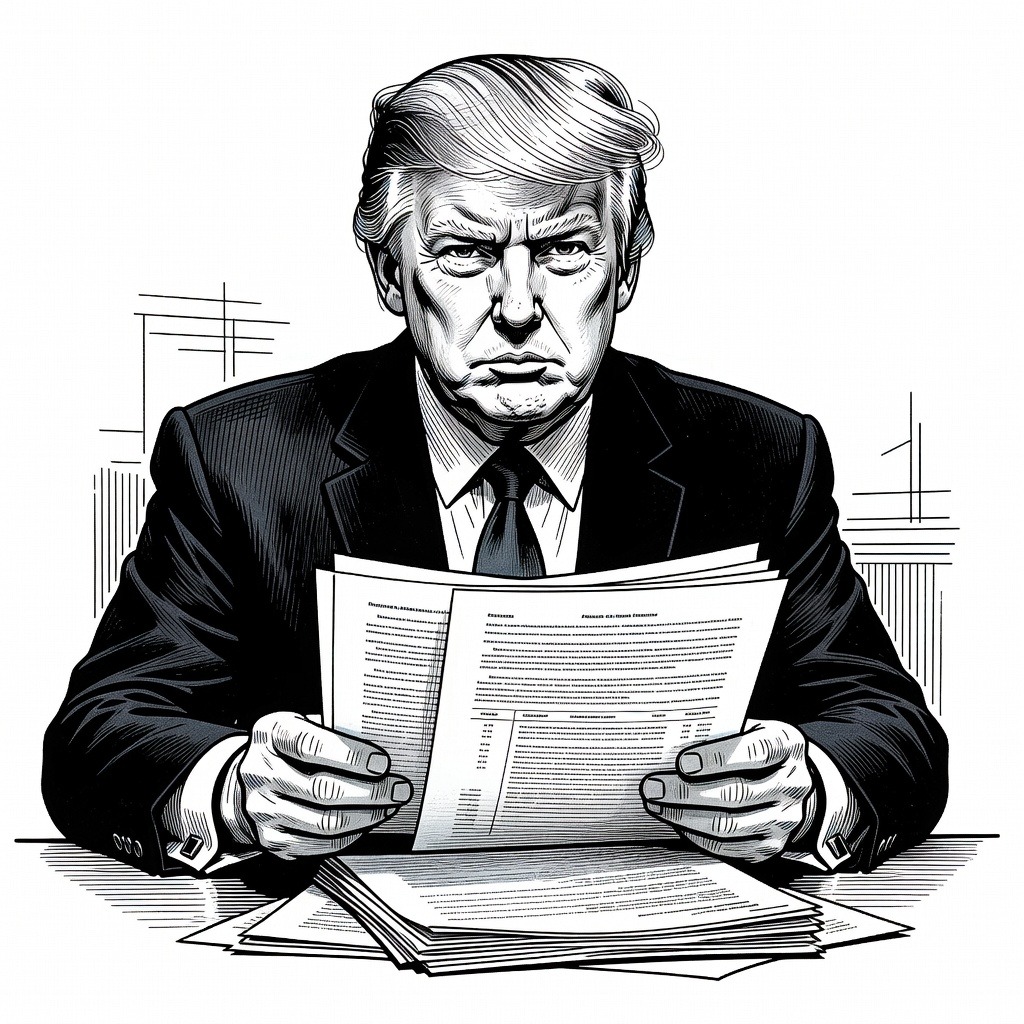
• Shield Against Executive Self-Dealing Prioritizing strict government accountability, this framework views the $1.776 billion "anti-weaponization" fund as an inappropriate extraction of taxpayer dollars. The fact that the initiative emerged strictly from a settlement of President Trump's personal civil lawsuit regarding IRS leaks signals a dangerous conflation of personal grievances with public resources. Blocking the deployment of these funds serves as a necessary institutional defense against executive self-dealing and political favoritism.
• Demand for Verifiable Accountability Valuing concrete checks on executive power, this camp applauds Judge Leonie Brinkema’s demand for sworn declarations by June 19. Because President Trump expressed a recent desire to proceed with the program despite Acting Attorney General Todd Blanche’s verbal assurances, unsworn congressional testimony is viewed as legally insufficient. Forcing Blanche and Treasury Secretary Scott Bessent to provide perjury-backed termination guarantees ensures that political rhetoric cannot override binding legal oversight.
• Blockade Against Rewarding Convicts Focusing on democratic stability, this perspective centers on lawmakers' warnings that taxpayer compensation could flow to individuals convicted of crimes related to the Jan. 6 Capitol breach. Framing these individuals as victims of prosecutorial overreach threatens to financially reward those who challenged the institutional status quo through force. By maintaining the injunction, the court prevents public funds from being repurposed to subsidize actions that undermined the democratic process.
How it may affect me
As a U.S. reader:
• In the short term, $1.77 billion in taxpayer funds will remain frozen and will not be distributed to individuals claiming to be victims of prosecutorial overreach or lawfare.
• Citizens seeking financial redress for what they consider politically motivated prosecutions or weaponized bureaucracy will lack this specific compensation program while the injunction stands, and may lose it permanently.
• The freeze ensures that public tax dollars cannot currently be paid out to individuals convicted of crimes related to the January 6 Capitol breach, addressing lawmakers' concerns about how the money would be spent.
• Long-term management of these public funds will be decided by June 19, determining whether top executive officials must provide legally binding, sworn declarations to permanently terminate the program or keep the door open for future implementation.