
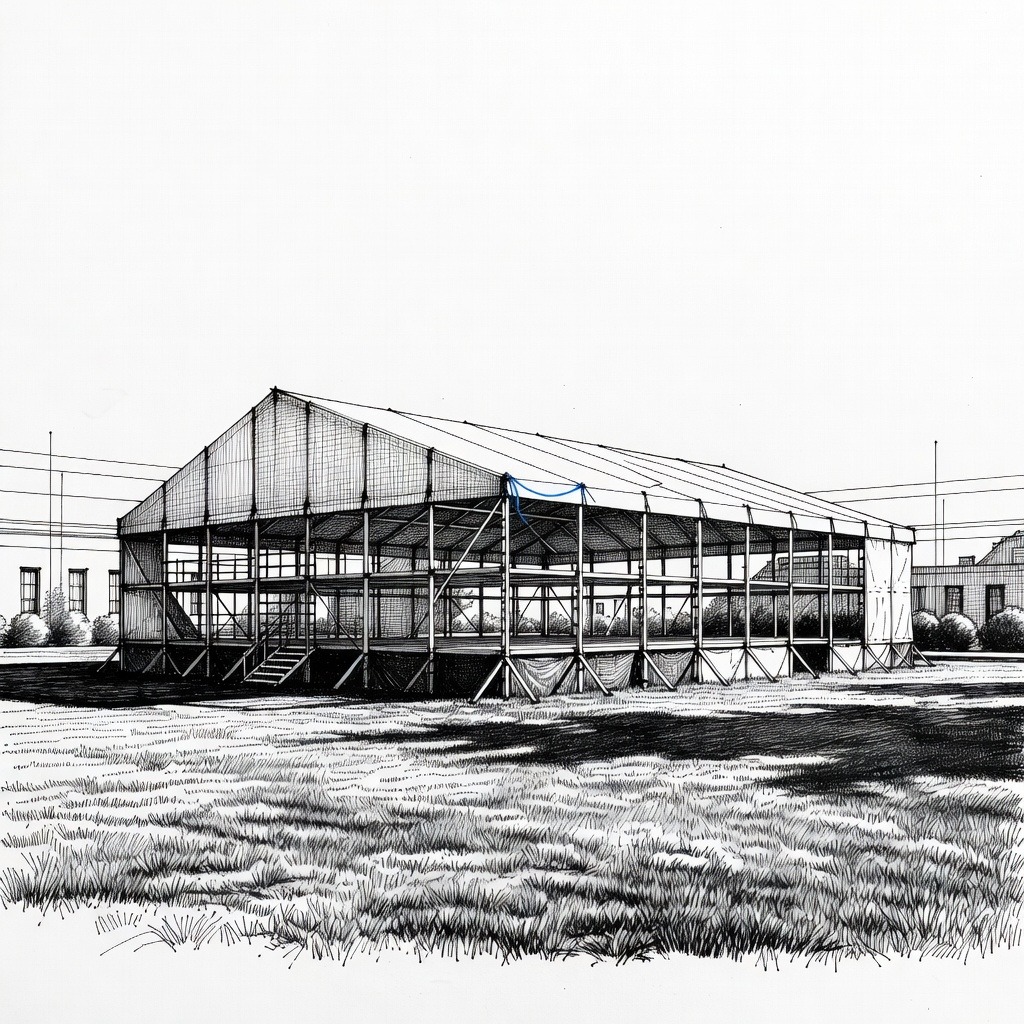
• Shielding Monuments From Corporate Spectacle Protecting the integrity of national public spaces from private exploitation is a core tenet of institutional accountability. This perspective views the construction of "the Claw" and the hosting of UFC Freedom 250 on the South Lawn as a severe degradation of public property. Integrating a commercial fighting league into the Lincoln Memorial and the White House grounds subordinates democratic symbols to highly lucrative corporate entertainment. The primary concern is that merging civic monuments with private profit sets a dangerous precedent for the commodification of federal land.
• Challenging Unchecked Executive Overreach Holding the highest offices to strict regulatory standards is essential to preventing the erosion of democratic norms. For this camp, the dual celebration of the nation's 250th anniversary and President Trump's 80th birthday via a UFC event blurs the line between public service and personal or partisan aggrandizement. The plaintiffs’ inability to establish legal standing does not alleviate the underlying fear that the Executive branch is actively bypassing established event regulations for self-promotion. Allowing such proceedings normalizes the use of the White House for personalized, legally questionable pageantry.
• Exposing Capital-Driven Legal Immunity Guarding civic interests against corporate legal leverage is vital for maintaining a balanced justice system. This framework critiques Judge Mehta's reasoning that canceling the event is impossible due to the UFC's extensive labor and $60 million investment. Elevating sunk corporate costs over citizen grievances signals that massive financial commitments can effectively insulate an event from last-minute regulatory scrutiny. The long-term risk is an entrenched legal standard where heavily funded private entities are deemed "too big to stop" once preparations begin on public land.
How it may affect me
As a U.S. reader:
• In the short term, the public has the opportunity to attend a commercial sporting event and concert on federal grounds, drawing up to 16,000 attendees to areas around the White House and the Ellipse.
• Over the long term, the event establishes a precedent for how national monuments and civic spaces can be utilized, potentially opening the door for more large-scale corporate entertainment and private-government partnerships on federal property.
• The court's dismissal creates a long-term legal standard suggesting that citizen lawsuits may fail to halt private events on public land once substantial corporate financial and labor investments have been made.
• The outcome affirms the executive branch's broad discretion to host non-traditional or populist gatherings on presidential grounds, indicating that the general public will have limited judicial leverage to block such authorized events in the future.