
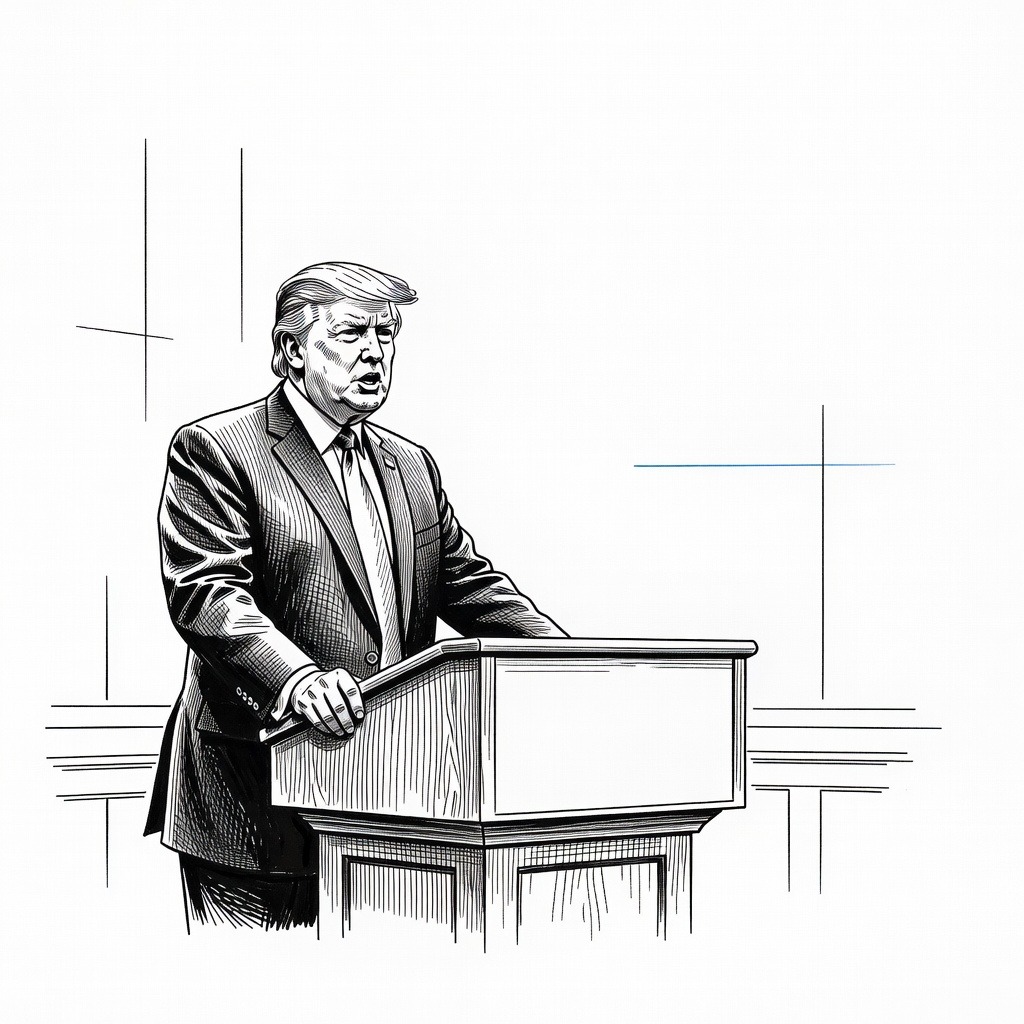
• Shield Against Executive Weaponization Prioritizing civil liberties demands strict boundaries on surveillance authorities to prevent institutional abuse. Lawmakers rejecting the FISA extension view the looming expiration of Section 702 as a necessary lever to check executive overreach. Entrusting sweeping surveillance capabilities to an acting Director of National Intelligence with a history of investigating political adversaries transforms a foreign intelligence tool into a profound domestic threat.
• Demand for Objective Expertise Intelligence leadership requires deep institutional knowledge to safeguard both constitutional rights and operational integrity. The elevation of Bill Pulte, who explicitly lacks intelligence or law enforcement experience, violates the baseline expectation of meritocratic, non-partisan governance. For this camp, granting an unaltered surveillance extension to a demonstrably unqualified loyalist inherently corrupts the intelligence apparatus and shatters public trust.
• Preserve Decentralized Regulatory Firewalls Systemic accountability must extend beyond surveillance to include emerging technologies like artificial intelligence. The failure to pass federal AI legislation is interpreted as a vital defense against preemptive federal standards that might water down localized oversight. Guarding state rights in this context ensures that local governments retain the power to enforce stricter civil rights and consumer protections when federal mandates prove inadequate.
How it may affect me
As a U.S. reader:
• In the short term, the expiration of Section 702 surveillance authority at Friday's deadline could reduce the nation's intelligence-gathering capabilities, potentially degrading defensive measures against foreign threats.
• The lapse in this surveillance program may simultaneously act as an immediate safeguard for civil liberties by limiting the potential for executive overreach or the domestic misuse of intelligence tools.
• In the short term, the stalling of federal artificial intelligence legislation ensures that individual states will retain the authority to enforce their own distinct consumer protections and civil rights standards regarding emerging technologies.
• Over the long term, the lack of unified federal AI standards is expected to create a fragmented patchwork of state regulations, which could slow national technological innovation and impact American global economic competitiveness.