
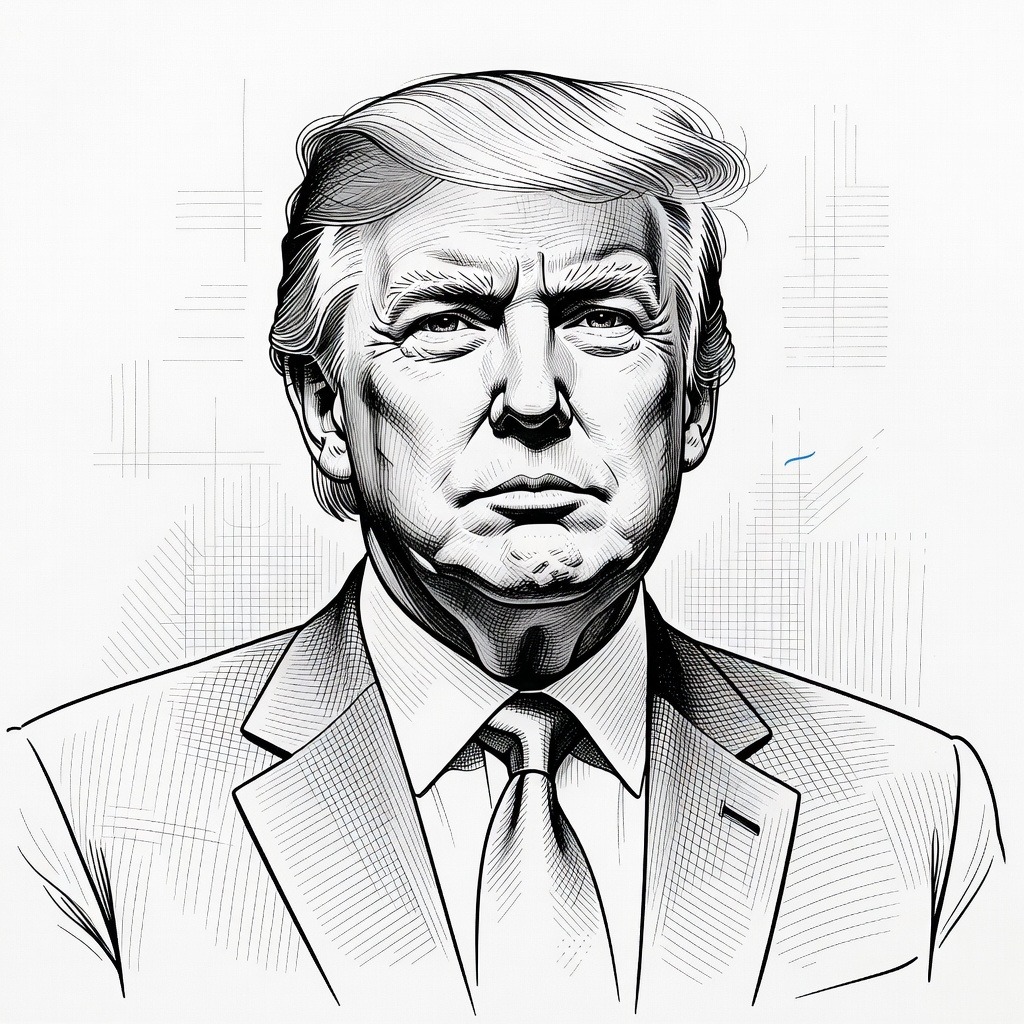
• Pivot Away From Brinkmanship De-escalation is prioritized above all to prevent cascading regional warfare and mass civilian casualties. The abrupt cancellation of strikes, particularly the severe threat to seize the Kharg Island oil hub, represents a vital retreat from catastrophic escalation. Military force is viewed as a destabilizing catalyst that only further strains the fragile April 7 ceasefire rather than securing enduring stability.
• Leverage Relief Over Force Sustainable peace requires addressing underlying systemic tensions through cooperative frameworks rather than kinetic strikes. The proposed memorandum linking phased financial relief to long-term nuclear prohibitions and the reopening of the Strait of Hormuz illustrates a productive diplomatic architecture. Offering concrete economic incentives is recognized as the most effective mechanism to secure lasting compliance and de-escalate tensions without further bloodshed.
• Expose Asymmetric Diplomatic Risks A fundamental vulnerability remains in declaring a diplomatic victory without the explicit consensus of the primary adversary. Because Iranian representatives outright deny the existence of an approved text, the U.S. narrative of progress appears dangerously unilateral. Continuing the naval blockade while boasting of regional agreements creates a coercive, contradictory environment that threatens to collapse genuine diplomatic channels and invite the very retaliation the administration claims to have avoided.
How it may affect me
As a U.S. reader:
• The cancellation of military strikes on Iran's primary oil export hub and negotiations to reopen the Strait of Hormuz may prevent immediate disruptions to global commerce, potentially stabilizing domestic fuel and goods prices in the short term.
• Because the United States continues to enforce a naval blockade and Iran has threatened to target allied nations, U.S. military personnel and allied forces deployed in the region remain at an immediate, practical risk of engaging in renewed combat.
• The proposed use of phased financial relief in exchange for long-term prohibitions on Iran's nuclear program indicates a potential shift in U.S. policy, altering how domestic economic leverage and sanctions are utilized for long-term national security.
• The conflicting claims regarding the diplomatic agreement mean the U.S. public faces continued long-term uncertainty; if the unverified diplomatic progress collapses, the fragile ceasefire could break, leading to further U.S. military involvement and regional instability.