
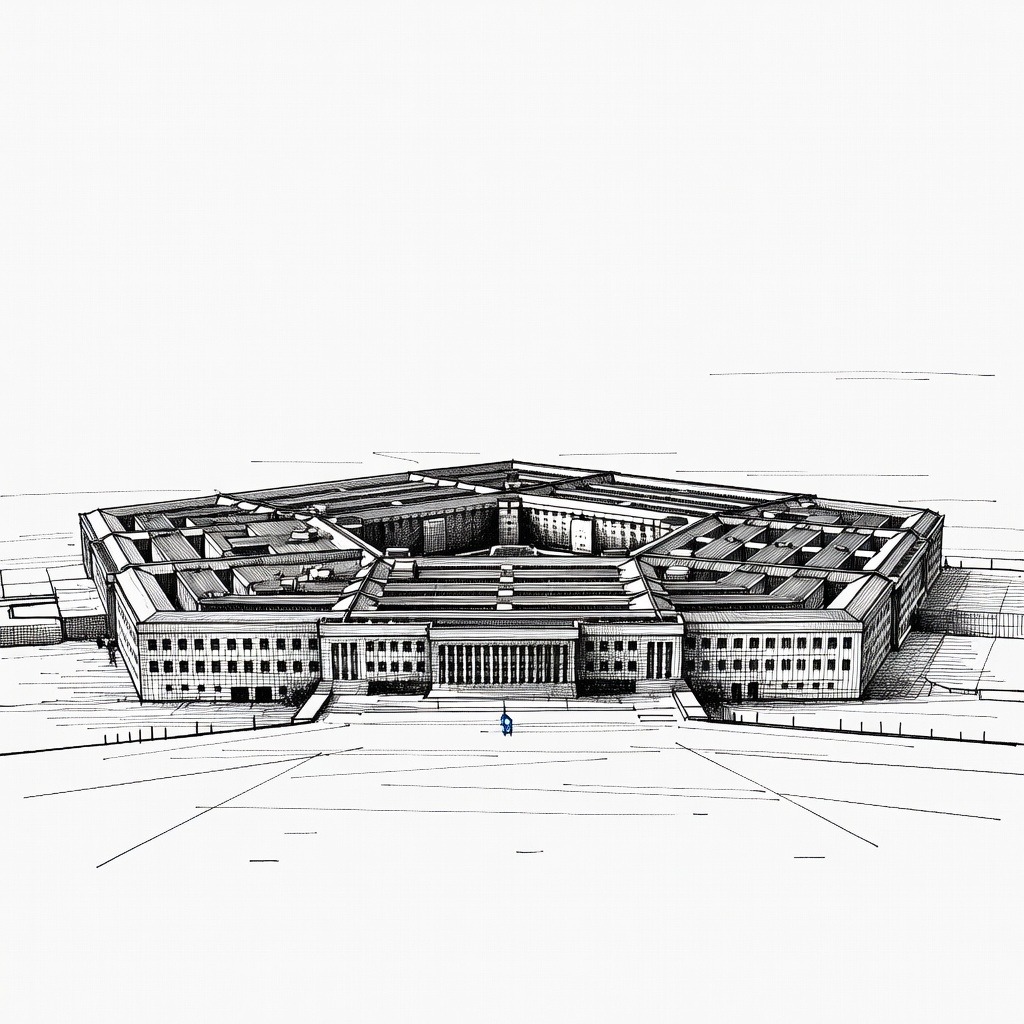
• Exposing Systemic Sensor Fragility Prioritizing institutional accountability, this perspective scrutinizes the technological or procedural flaws that triggered such a disruptive false positive. While personnel safety is paramount, a facility system generating an unverified alert that forces a partial evacuation points to potential inefficiencies in the Pentagon’s core infrastructure. Relying on highly sensitive but functionally inaccurate environmental sensors demands immediate oversight to prevent future administrative paralysis.
• Highlighting Needless Operational Disruption Focusing on the functional cost of systemic errors, the forced sequestration of personnel and the sudden shift to virtual meetings at 11 a.m. ET represents a localized failure in operational continuity. Reformers argue that highly sensitive defense hubs must possess the diagnostic precision to rapidly distinguish false alarms from actual hazards without completely paralyzing daily activities. The extended lockdown into the early afternoon indicates a lagging verification process that hinders basic government efficiency.
• Preventing Alert Fatigue Desensitization Looking at the long-term behavioral impacts, unjustified false alarms risk generating dangerous "alert fatigue" among facility personnel. If internal systems routinely trigger unnecessary Arlington County hazmat deployments and extended lockdowns, the workforce may become desensitized to urgent warnings. This specific operational friction threatens to erode internal confidence in safety protocols, potentially compromising actual evacuation response times during a legitimate future emergency.
How it may affect me
As a U.S. reader:
• There is no significant public impact expected from this event, as it was a localized false alarm that resulted only in brief internal administrative disruptions at the Pentagon and involved no actual hazard.