
• Shielding Against Cost Burdens Prioritizing the purchasing power of the working class reveals the severe economic inequity masked by core inflation metrics. While core inflation sits at a modest 2.9 percent, the 4.2 percent overall rate reflects surges in non-negotiable energy costs that disproportionately drain the budgets of lower-income households. President Trump’s characterization of these figures as "great" and his claim that he "loves the inflation" highlights a stark executive detachment from the everyday survival of ordinary consumers bearing the brunt of soaring daily expenses.
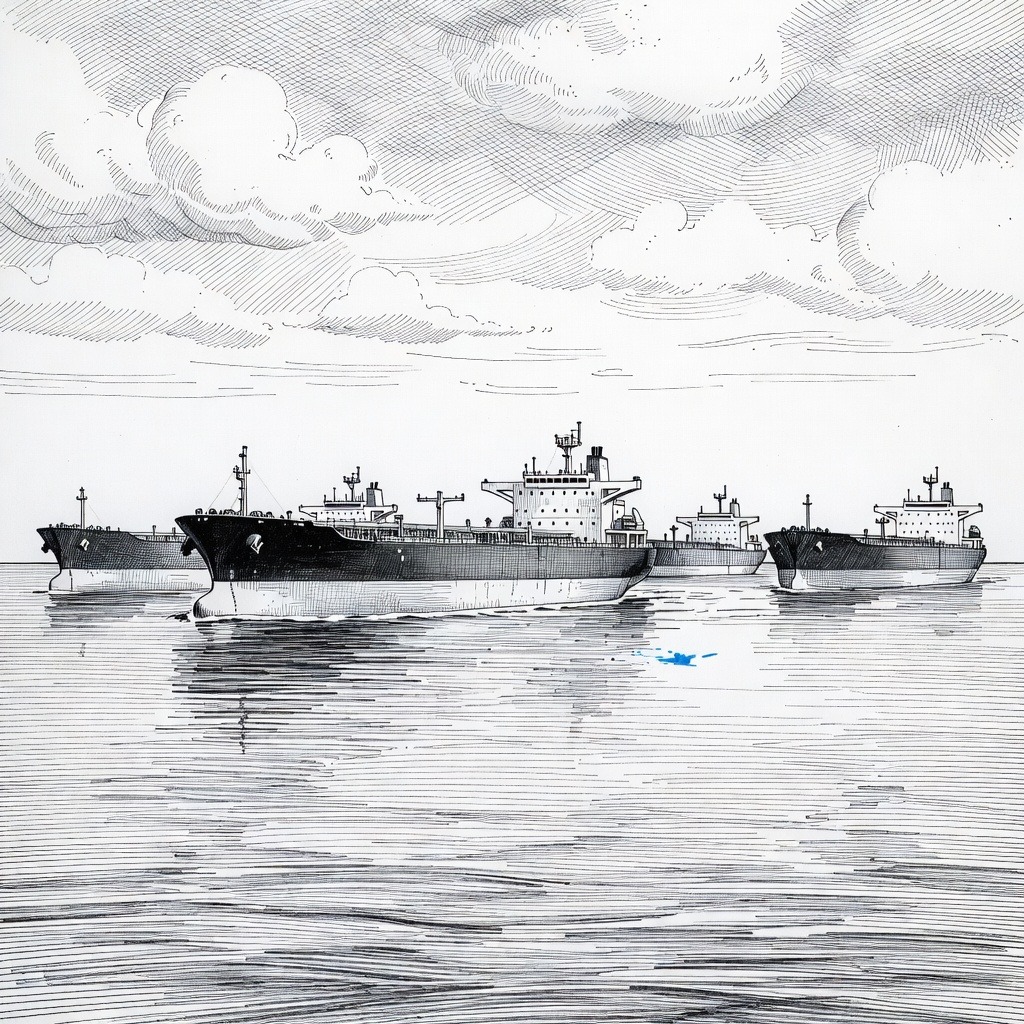
• Rejecting Extractive Geopolitical Shocks Viewing economic stability as a fundamental requirement for social equity means rejecting policies that import foreign volatility directly into domestic markets. The surge in consumer prices is explicitly tethered to the war with Iran and transit disruptions in the Strait of Hormuz. Allowing foreign military conflicts to dictate domestic energy supply effectively forces everyday citizens to subsidize geopolitical adventurism through artificially inflated costs at the gas pump and the grocery store.
• Guarding Against Institutional Capture Protecting the public from unchecked executive influence requires vigilant scrutiny of the Federal Reserve’s structural integrity. President Trump’s abrupt shift to championing incoming Chair Kevin Warsh’s independence—after a history of aggressively pressuring former Chair Jerome Powell for lower borrowing costs—raises immediate concerns about institutional alignment and cronyism. If the Fed fulfills futures market expectations to hold rates steady while energy costs continue to ravage consumer wallets, it signals a monetary apparatus designed to protect corporate stability over providing immediate public relief.
How it may affect me
As a U.S. reader:
• In the short term, you can expect higher daily living expenses, particularly for non-negotiable purchases at the gas pump and grocery store, due to the 4.2 percent overall inflation rate caused by war-related energy shocks.
• Your immediate borrowing costs will likely remain unchanged, as the Federal Reserve is expected to hold short-term interest rates steady rather than altering monetary policy in response to these temporary price fluctuations.
• Over the long term, the elevated energy and fuel costs affecting your household budget are anticipated to drop and stabilize once the conflict with Iran concludes and global maritime transit in the Strait of Hormuz normalizes.
• The long-term stability of the broader economy, including capital investment and growth, will be influenced by the Federal Reserve's ability to independently navigate remaining inflation risks under its new leadership.