
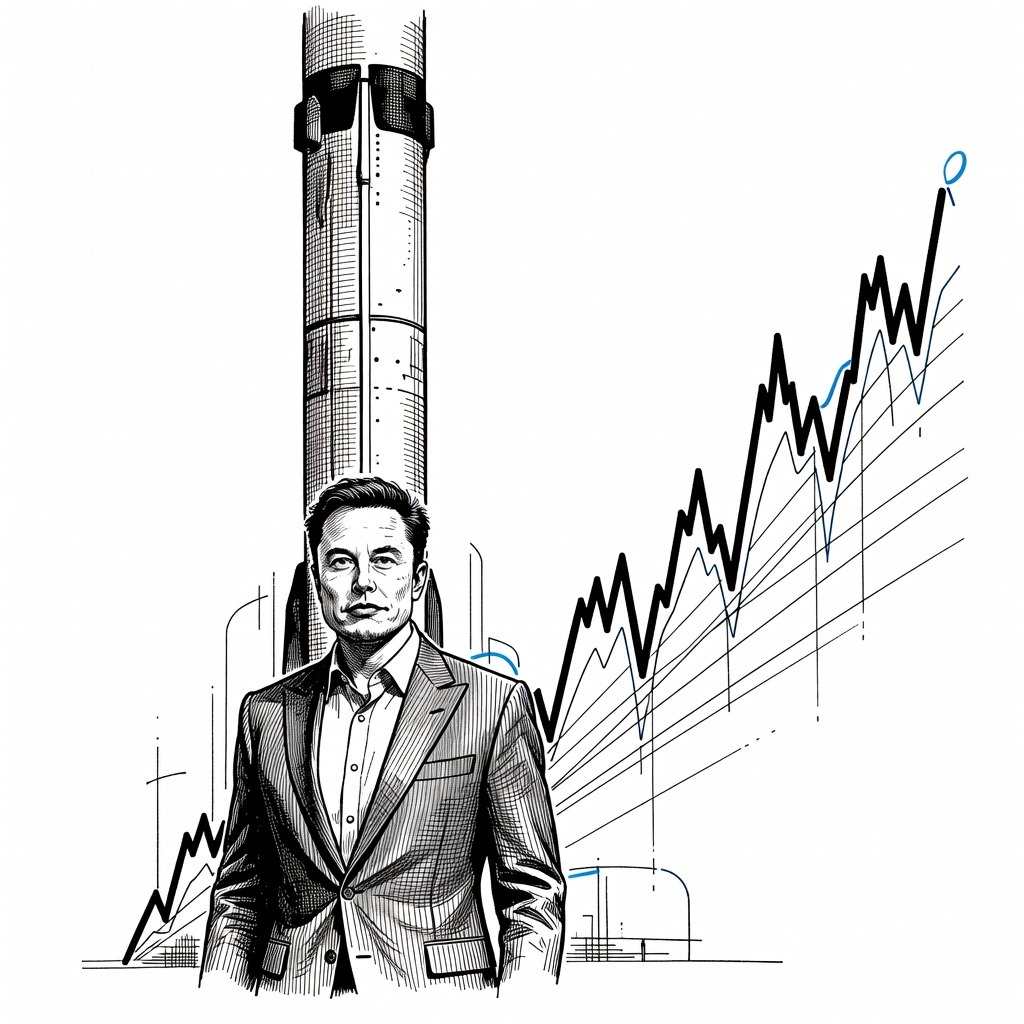
• Critiquing Speculative Labor Models Prioritizing worker protections means viewing the normalization of deferred compensation with distinct caution. While this specific $1.77 trillion valuation will yield a massive windfall for 100 employees, the broader practice of engineers accepting below-market salaries for equity represents a systemic transfer of corporate risk onto labor. This model relies on speculative future market socialization to make workers whole, undermining the standard of secure, guaranteed compensation for highly skilled labor.
• Shielding the Retail Public Protecting everyday consumers requires scrutiny when institutional assets are heavily marketed to the general public. Allocating a massive 30% of shares ($22.5 billion) to retail investors via accessible apps like Robinhood and SoFi introduces asymmetric risk to ordinary portfolios. Given that the company recorded a $4.2 billion operating loss last year, there is a fundamental concern that retail buyers are being used as exit liquidity to absorb debt while institutional insiders secure their profits.
• Harnessing Collective Financial Power Valuing economic equity highlights the success of workers banding together to prevent Wall Street extraction. By pooling their $1 billion to $5 billion in potential wealth, the employee group secured sub-0.5% management fees from Choreo, actively bypassing the standard extractive rates of institutional wealth management. Funneling those systemic savings directly into STEM scholarships proves that when laborers leverage their collective capital, wealth generation can immediately serve community investment rather than just corporate profit.
How it may affect me
As a U.S. reader:
• Everyday investors will have the short-term opportunity to buy SpaceX shares during its initial public offering through consumer brokerages like Robinhood, Fidelity, and Charles Schwab.
• Members of the public who choose to invest take on long-term financial risks tied to a company that recorded a $4.2 billion operating loss last year despite high revenues.
• Students and educational institutions may see long-term benefits through new STEM programs and university scholarships funded directly by the wealth management savings of early SpaceX employees.
• Highly skilled workers may face long-term shifts in labor market practices, as this high-profile payout could further normalize companies offering below-market salaries in exchange for speculative stock equity.