
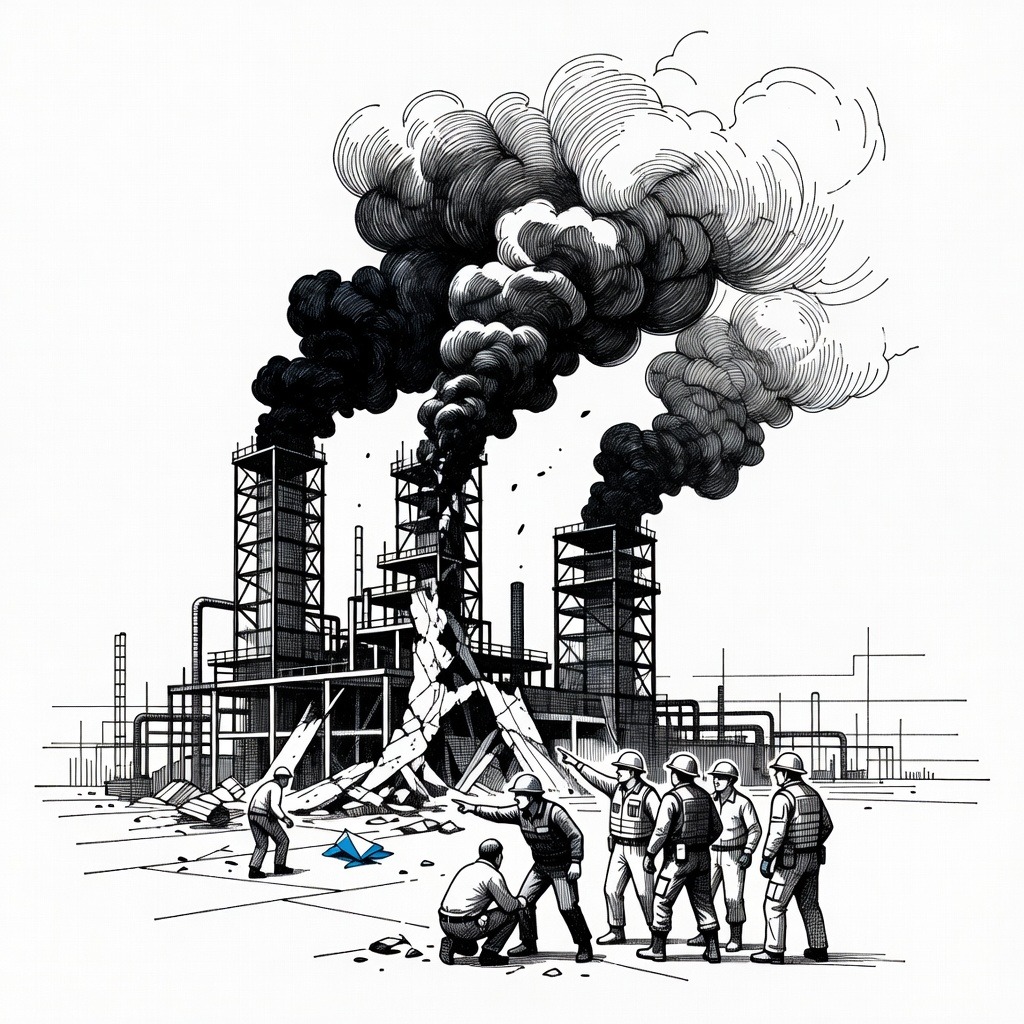
• Tragic Toll of Retaliation Prioritizing human life reveals the inherent failure of tit-for-tat military exchanges. The Israeli airstrikes on Beirut's southern suburbs directly resulted in two deaths and twenty injuries, demonstrating that kinetic retaliation primarily punishes vulnerable civilian populations. This cycle of violence sacrifices innocent lives under the guise of security without addressing the root political grievances driving the initial regional tensions.
• Aggression Triggers Regional Combustion Relying on lethal force as a primary foreign policy tool predictably backfires into broader destabilization. The targeted U.S. and Israeli killings of former Supreme Leader Ayatollah Ali Khamenei and senior Iranian figures in February did not secure peace, but instead ignited the current waves of Iranian ballistic missiles and Houthi shipping bans. Unilateral assassinations shatter diplomatic guardrails, inevitably plunging the entire region into a deeper, less manageable security crisis.
• Coercion Sabotages Diplomatic Trust Genuine peace negotiations cannot succeed when coupled with economic warfare and maximalist ultimatums. President Trump’s insistence on maintaining a U.S. naval blockade on Iranian ports contradicts his demand for an immediate ceasefire, effectively weaponizing civilian deprivation as diplomatic leverage. The Iranian official’s refusal to engage with Trump underscores how economic strangulation and prior escalations destroy the baseline credibility necessary to forge a lasting agreement.
How it may affect me
As a U.S. reader:
• In the short term, the active U.S. naval blockade of Iranian ports ensures that American military personnel and national resources will remain directly engaged in a volatile conflict zone.
• The combination of military strikes on petrochemical facilities and Houthi missile attacks and shipping bans in the Red Sea could disrupt global trade routes, carrying plausible long-term risks of supply chain delays and economic fluctuations for American consumers.
• The breakdown of diplomatic negotiations, with Iranian officials explicitly refusing to reach an agreement with the U.S. president, signals a prolonged regional security crisis that will likely require sustained American diplomatic and economic intervention.