
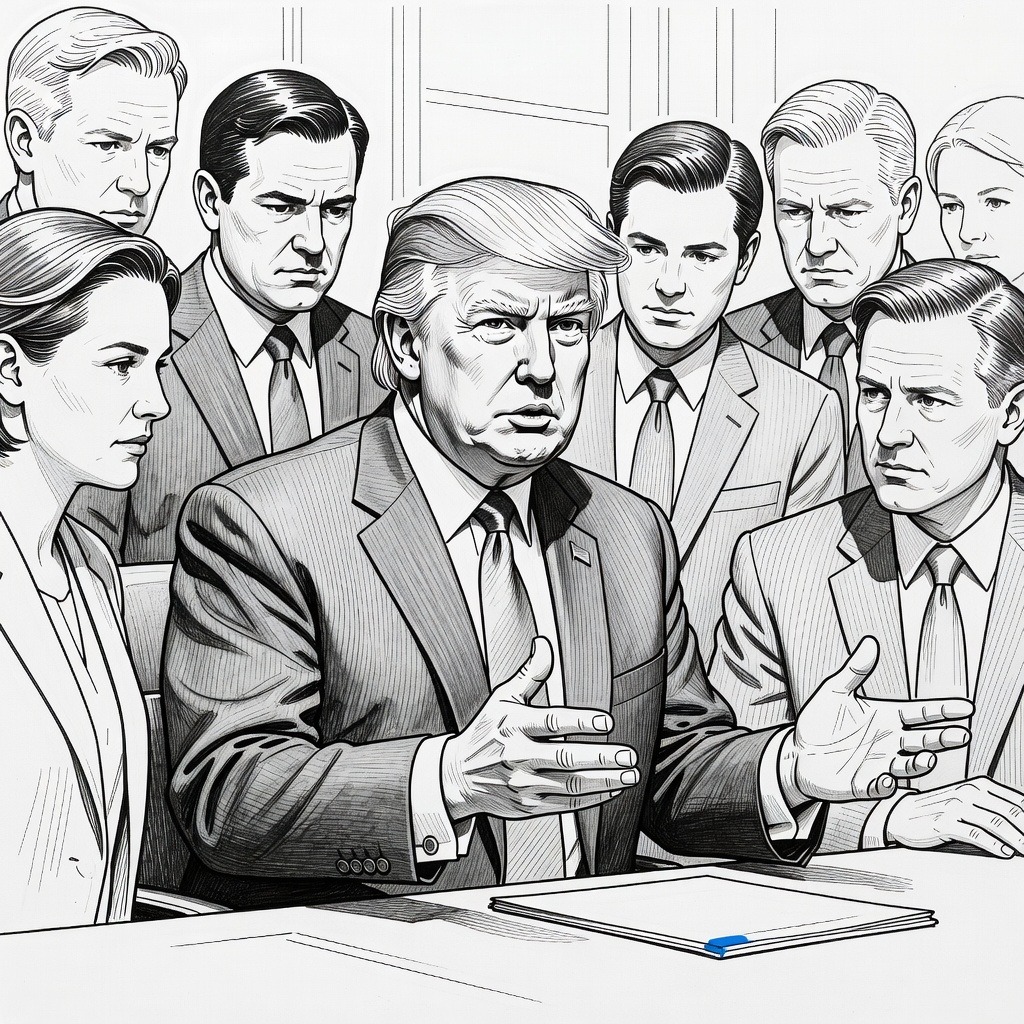
• Shielding the Security Apparatus Prioritizing government accountability requires leaders with deep, relevant expertise to manage the nation's most sensitive intelligence operations. The appointment of Bill Pulte, a housing regulator with no statutory national security experience to replace Tulsi Gabbard, is viewed as a dangerous erosion of institutional guardrails. Democratic Senator Mark Warner’s opposition reflects the belief that placing an unqualified acting director in charge of vast surveillance powers strips the intelligence community of necessary executive competence.
• Blocking Partisan Weaponization The structural integrity of intelligence agencies relies entirely on their strict independence from domestic political disputes. Trump’s stated goal of using an acting director to bypass standard personnel restrictions and potentially investigate "rigged elections" signals a severe misuse of state power. Stalling the procedural vote serves as a vital legislative check against transforming a foreign intelligence apparatus into a politically weaponized tool directed at domestic grievances.
• Defending Constitutional Civil Liberties A core commitment to civil liberties mandates strict protection against unwarranted government intrusion into citizens' private lives. The impending expiration of Section 702 is embraced by a coalition of lawmakers—including the seven Republicans who voted against the measure—because the program routinely sweeps up Americans' communications without a warrant. Stalling the legislation forces a necessary reckoning over the systemic overreach of the surveillance state and demands structural reforms that prioritize constitutional privacy rights.
How it may affect me
As a U.S. reader:
• In the short term, if the surveillance program expires on June 12, the government's incidental collection of Americans' private communications without a warrant would likely halt, increasing domestic privacy protections.
• The lapse of this program could also reduce continuous foreign intelligence gathering, potentially leaving the public more vulnerable to unmonitored external national security threats.
• Long-term directives to aggressively shrink and streamline the intelligence apparatus will lead to federal workforce reductions and alter the operational capacity of the agencies tasked with national security.
• Taxpayer resources and national intelligence capabilities may be redirected toward domestic matters, as the new acting director has been instructed by the president to investigate potentially rigged elections.