
• Shielding the Vulnerable Detainee Prioritizes human dignity and basic civil liberties over institutional convenience. Reports from lawmakers like Representative Jerrold Nadler regarding maggot-infested food and severely limited medical care at Delaney Hall are viewed as indicative of systemic abuse within the detention apparatus. The alleged hunger and labor strikes are interpreted as desperate, legitimate acts of resistance by a marginalized population stripped of legal recourse and humane living conditions.
• Exposing Institutional Gaslighting Values transparent governance and treats agency self-exoneration with deep skepticism. The Department of Homeland Security’s narrative—that detainees are merely rejecting "Americanized food" and fabricating a strike to buy snacks—is seen as a bureaucratic deflection designed to minimize egregious human rights failures. The surge in commissary spending is interpreted not as proof of comfort, but as evidence that detainees are forced to purchase their own basic sustenance out-of-pocket to survive a facility failing to provide adequate nutrition.
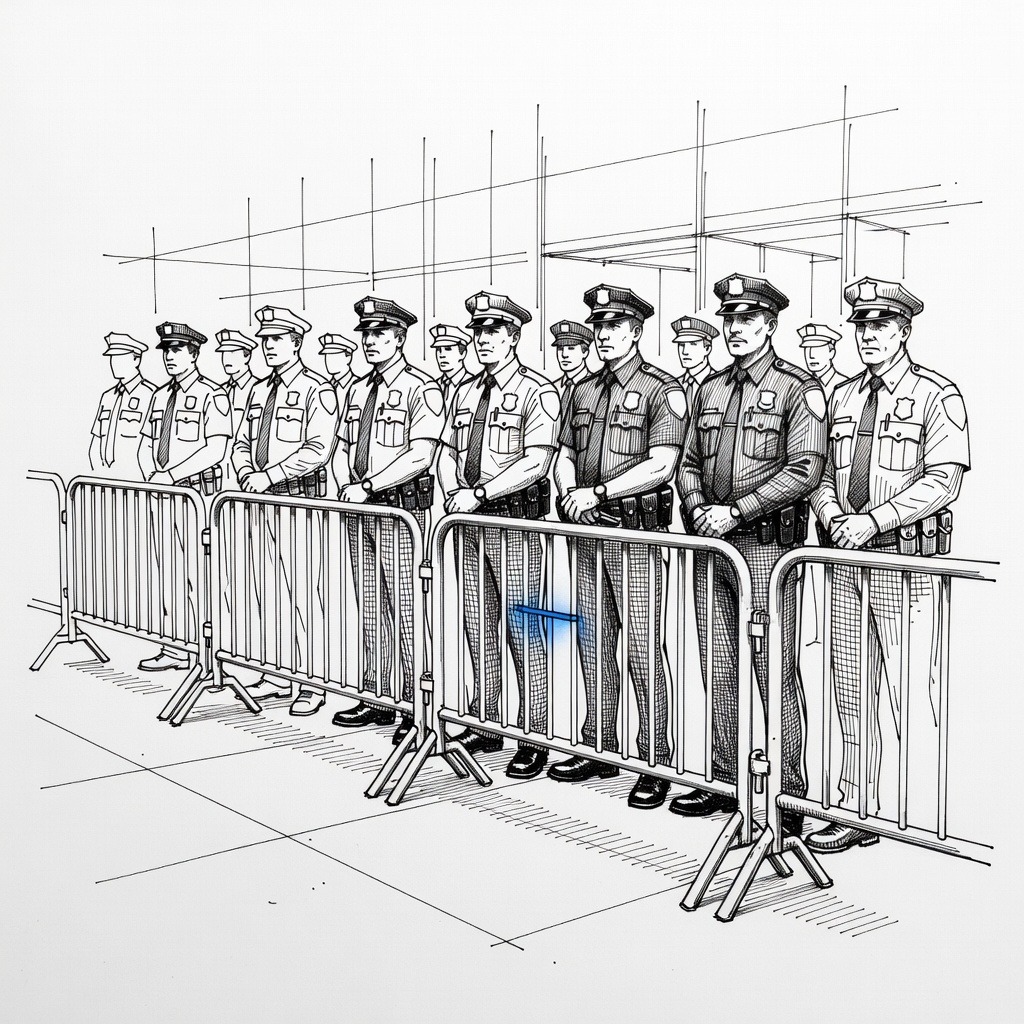
• Resisting State Suppression Tactics Prioritizes civil liberties and the fundamental right to protest against state violence. The aggressive law enforcement response and the targeted arrest of a lead organizer for a curfew violation are viewed as deliberate attempts to criminalize dissent and break the momentum of Resistencia En Acción New Jersey. Utilizing taxpayer funds to heavily police demonstrations is seen as a gross misallocation of resources that protects a flawed, opaque system rather than addressing the root causes of the unrest.
How it may affect me
As a U.S. reader:
• In the short term, local residents may experience disruptions to community stability and public safety due to ongoing daily demonstrations and physical clashes between protesters and law enforcement.
• The public is financially impacted by the allocation of taxpayer funds required to sustain a significant law enforcement response and manage the unrest outside the facility.
• Conflicting evaluations of the facility by federal lawmakers and the Department of Homeland Security may prompt formal state inspections, potentially altering future oversight procedures and funding for government detention centers.
• In the long term, the government's response to the protests could influence national immigration policy, as yielding to demands to close the facility could impact broader border enforcement mandates and the broader immigration security system.