
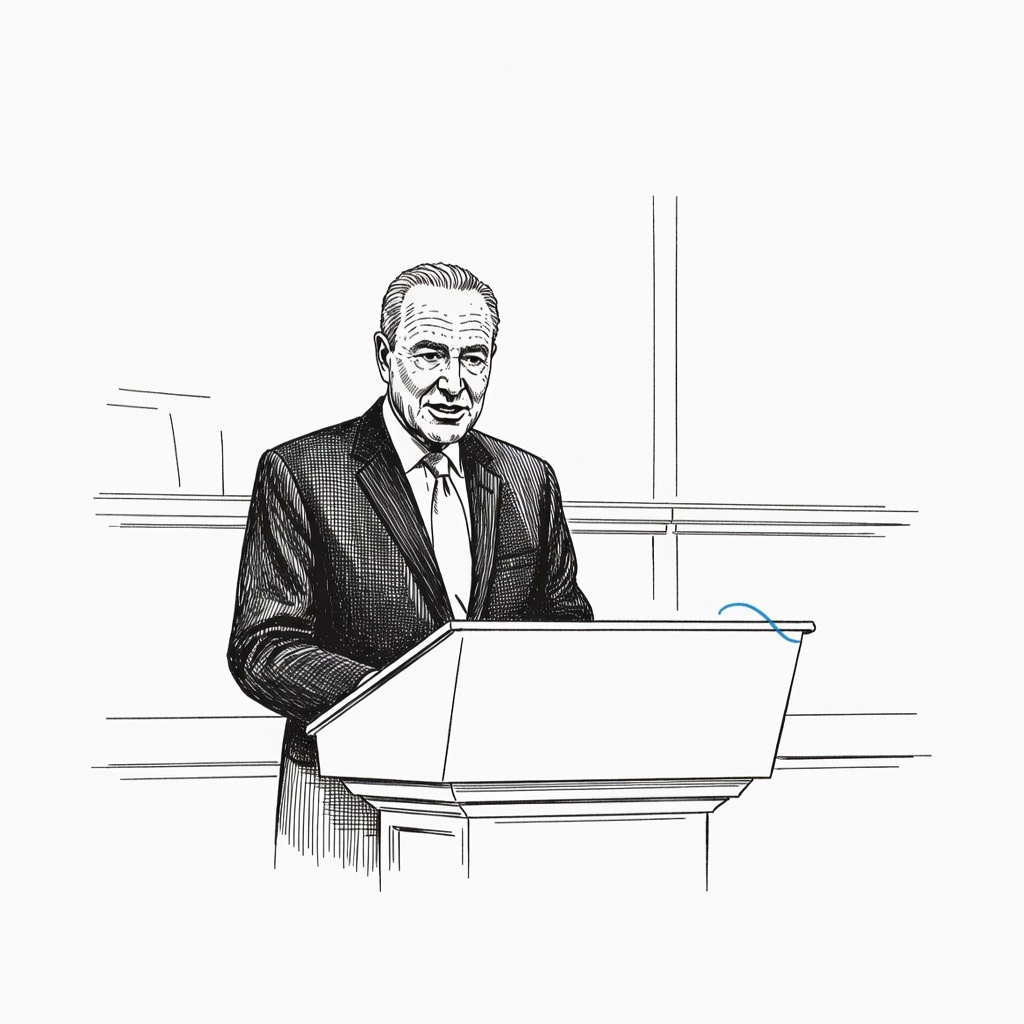
• Shielding Core Institutional Integrity Government accountability demands that powerful surveillance tools are overseen by qualified, experienced leadership. By blocking the Section 702 extension, this camp is reacting directly to the nomination of Bill Pulte, whose background at the Federal Housing Finance Agency offers no relevant intelligence expertise. The procedural stall serves as a necessary mechanism to prevent an unqualified loyalist from assuming control over the nation's most potent information-gathering apparatus.
• Guarding Against Executive Weaponization Protecting civil liberties requires aggressive checks against the potential abuse of state power. As articulated by Senator Schumer and other Democrats, handing expansive surveillance capabilities to a loyalty-driven appointee creates a severe risk of the intelligence community being weaponized against political opponents. The 52-47 vote demonstrates a coordinated defense of vulnerable democratic norms, prioritizing the safety of citizens over the routine rubber-stamping of executive authority.
• Leveraging the Legislative Veto Challenging the institutional status quo sometimes requires weaponizing statutory deadlines to force executive compromise. With Senator Warner confirming that votes will be withheld as long as Pulte remains the nominee, the near-unanimous Democratic bloc—with Senator Fetterman as the sole exception—is using the looming June 12 deadline as calculated leverage. They view the risk of a temporary lapse in surveillance authority as less dangerous than a permanent degradation of intelligence oversight.
How it may affect me
As a U.S. reader:
• In the short term, the failure to pass a reauthorization or temporary patch by the June 12 deadline could interrupt the government's ability to monitor foreign threats, potentially impacting national safety and defense infrastructure.
• Over the long term, the current legislative stall could result in stronger privacy protections for citizens if conservative lawmakers succeed in adding structural requirements for warrants before officials can search incidentally collected data on Americans.
• If the surveillance program is reauthorized without leadership changes, citizens may face increased risks to civil liberties, as lawmakers warn the intelligence apparatus could be weaponized against domestic political opponents.
• In the immediate future, the public can expect Congress to attempt passing short-term legislative patches, prolonging the uncertainty surrounding civic privacy rights, intelligence oversight, and continuous national security operations.