
• Engine of Speculative Extraction Massive valuations for unproven technology highlight a financial system that rewards speculative hype over tangible economic utility. Pricing Quantinuum to achieve a $15.66 billion market capitalization, despite experts acknowledging widespread commercialization is still five years away, functions as a mechanism for institutional wealth extraction. This financial engineering prioritizes immediate capital generation over the slow, grounded development of consumer-ready products.
• Illusion of Corporate Decentralization Corporate spinoffs often project an image of a democratized, competitive market while actual institutional power remains tightly concentrated. Honeywell’s decision to retain 48 percent of the voting power in Quantinuum ensures the conglomerate maintains outsized influence over the newly public entity. This structural maneuver allows the parent company to capture the financial upside of an IPO while shielding itself from direct liability, preserving corporate hegemony rather than genuinely diffusing market control.
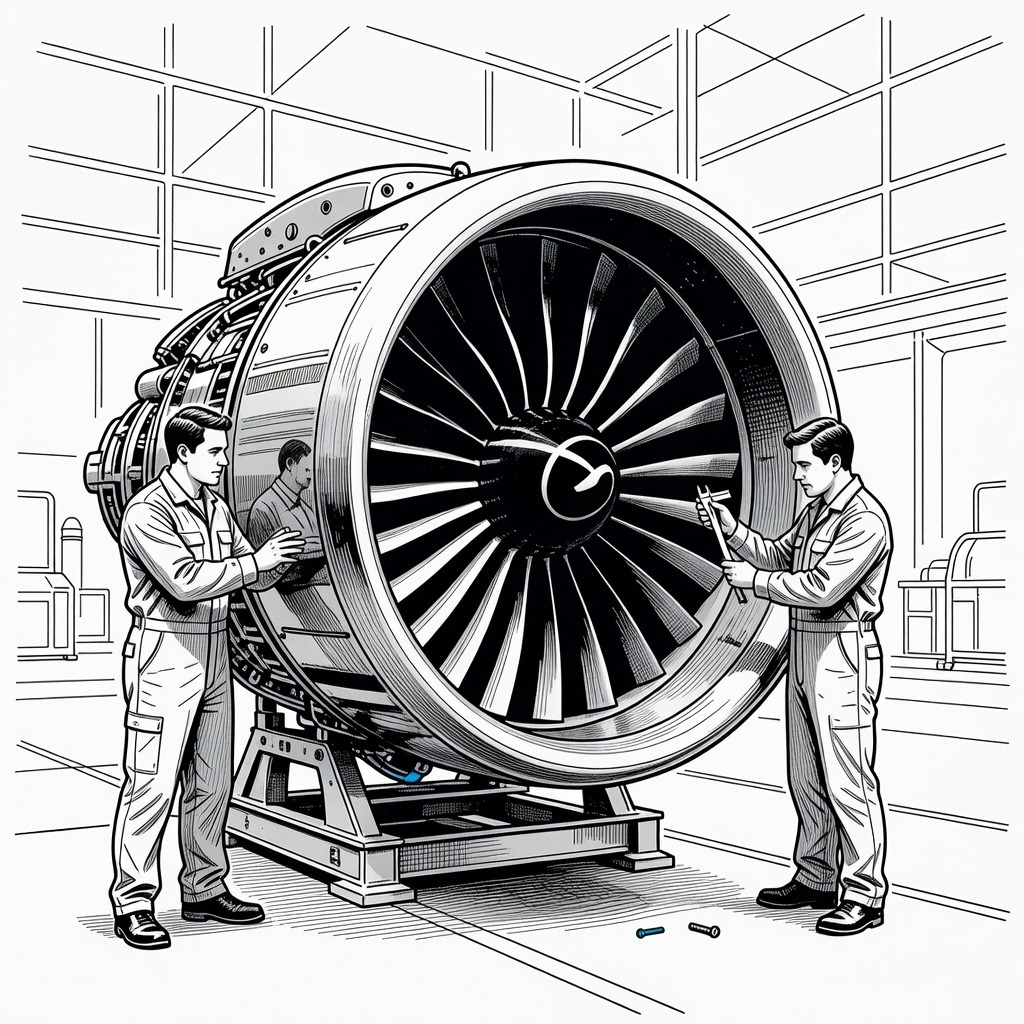
• Prioritizing Margins Over Resilience Hyper-focusing on aggressive financial targets often incentivizes hollowed-out operations that are highly vulnerable to systemic shocks. The aerospace division’s mandate to hit a $6.5 billion annual adjusted earnings target by 2030 requires maximizing operational extraction in defense and transport markets. Pushing for these standalone margins, especially immediately following a period of acknowledged supply chain disruptions, signals a willingness to risk infrastructural fragility in the pursuit of inflated shareholder value.
How it may affect me
As a U.S. reader:
• In the short term, individuals participating in the stock market will encounter new investment opportunities in the quantum computing and aerospace sectors, though parent company Honeywell will continue to hold significant corporate control over the market direction of these newly public entities.
• Over the long term, substantial financial capital is funding the development of frontier quantum technologies, but widespread commercialization and practical, consumer-ready applications are not expected to materialize for at least five years.
• The separation of the aerospace division will directly impact the commercial transport and national defense markets, potentially driving specialized innovation in these industries or risking infrastructural and supply chain vulnerabilities as the new independent company pushes to meet aggressive earnings targets by 2030.