
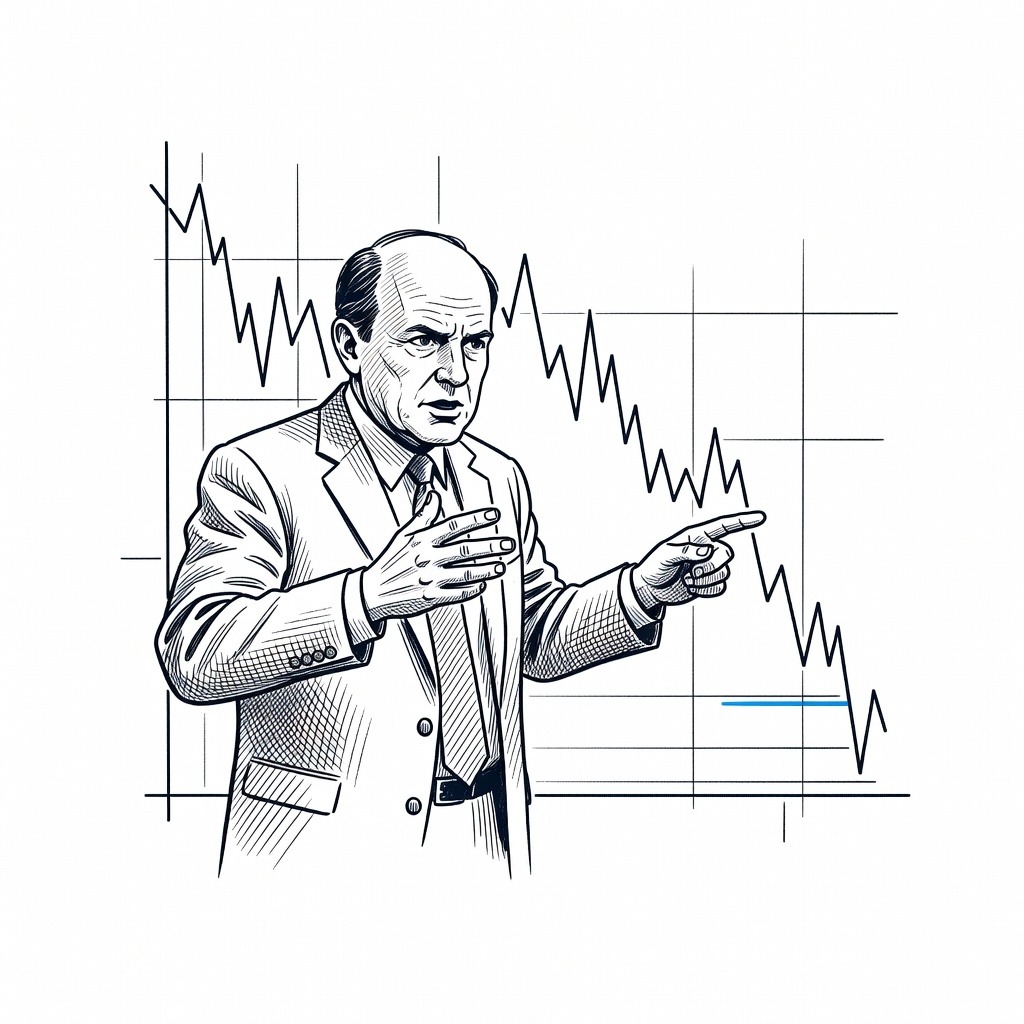
• Exposing Speculative Market Churn Prioritizing sustainable economic health over speculative hype reveals the foundational flaw in the current AI funding wave. The sudden sell-off of fundamentally sound companies like Broadcom and CrowdStrike to chase unproven IPOs demonstrates a market driven by extraction rather than stability. When capital pivots violently to fund ventures like OpenAI and Anthropic, it treats the financial system like a casino, punishing reliable firms merely to free up cash for the newest tech trend.
• Erasing Broader Software Gains Sacrificing established corporate growth to finance a narrow sector highlights the dangerous concentration of tech market power. The rush to absorb new stock supply threatens to cannibalize the broader market, actively erasing the wealth generated for average investors during the late-May enterprise software rally. Alphabet’s major equity sale and the looming AI capital raises force unnecessary headwinds onto the wider economy simply to feed the capital demands of a few elite monopolies.
• Gambling on Fragile Fundamentals Protecting investors from institutional extraction requires deep skepticism toward Cramer's warning that stock supply will outpace actual demand. By dumping shares of companies that possess solid quarterly results just to chase SpaceX or Anthropic offerings, Wall Street exposes average shareholders to immense, unforced volatility. If this massive influx of stock supply fails to match real-world economic utility, the long-term "AI thesis" will fracture, leaving retail investors holding the bag on a manufactured liquidity crisis.
How it may affect me
As a U.S. reader:
• Individuals holding established technology stocks in their personal or retirement accounts may see short-term drops in portfolio value as investors sell these shares to buy into new artificial intelligence public offerings.
• Everyday shareholders will likely experience increased near-term market volatility as a massive supply of new stock from companies like SpaceX and Anthropic temporarily outpaces buyer demand.
• Retail investors face a potential risk of enduring financial losses if the anticipated economic benefits of these new tech ventures fail to materialize and replace the value lost from selling off fundamentally robust companies.
• Over the long term, the public may benefit from broader economic efficiency and market stabilization once the current funding cycle concludes, provided the foundational investment thesis for artificial intelligence holds true.