
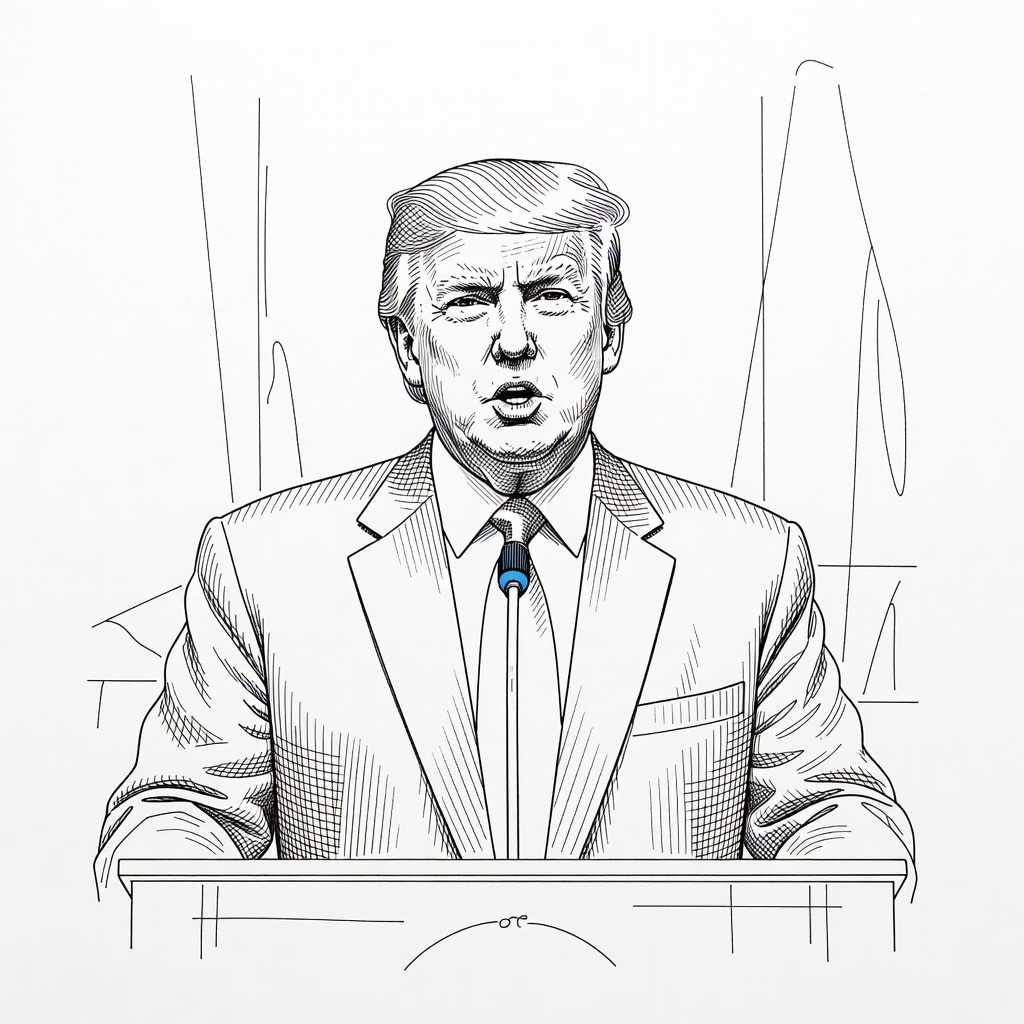
• Maximize Voter Enfranchisement Valuing comprehensive participation over rapid results drives the defense of California’s extended vote-tallying laws. Permitting up to 30 days for county officials to process votes and accepting mail-in ballots up to seven days post-election ensures that logistical hurdles do not disenfranchise citizens. President Trump’s allegations of a "deliberate delay" are viewed as a bad-faith attack on an inclusive, meticulously legislated system designed to protect civil rights rather than cater to a demanding news cycle.
• Defend Institutional Accountability Preserving the integrity of state-level electoral systems requires aggressive pushback against top-down disinformation. Governor Newsom's office and Democratic Party Chairperson Rusty Hicks outright dismissing Trump’s fraud accusations as lies is a necessary reflex to shield civil servants from intimidation. Furthermore, the U.S. Attorney's refusal to confirm an investigation suggests the former president is weaponizing federal law enforcement rhetoric to manufacture a scandal and undermine state sovereignty.
• Prevent Democratic Erosion The overriding fear is the normalization of preemptive attacks on standard, legally codified election mechanics. When routine procedures—like counting legally postmarked ballots to confirm Steve Hilton and Xavier Becerra's advancement or finalize Karen Bass's opponent—are framed as "stealing," it severely degrades long-term public trust in civic institutions. This manufactured doubt risks permanently destabilizing the social contract by conditioning voters to reject any unfavorable electoral outcome as inherently fraudulent.
How it may affect me
As a U.S. reader:
• In the short term, you will experience a delay in knowing the final November matchups for the California gubernatorial and Los Angeles mayoral races due to state laws allowing up to thirty days for county officials to finalize vote tallies.
• You will be exposed to conflicting national narratives regarding election mechanics, as extended counting periods for mail-in ballots are simultaneously defended as necessary protections against voter disenfranchisement and criticized as structural flaws that invite manipulation.
• Over the long term, escalating disputes over legally codified procedures, such as accepting legally postmarked ballots days after an election, may impact overall public trust in civic institutions and the perceived legitimacy of incoming governments.
• You may observe increased friction between state sovereignty and federal authority regarding election oversight, as political figures advocate for federal law enforcement to investigate state-level vote counting practices.