
House Passes Symbolic Resolution Aimed at Curbing Presidential War Powers in Iran

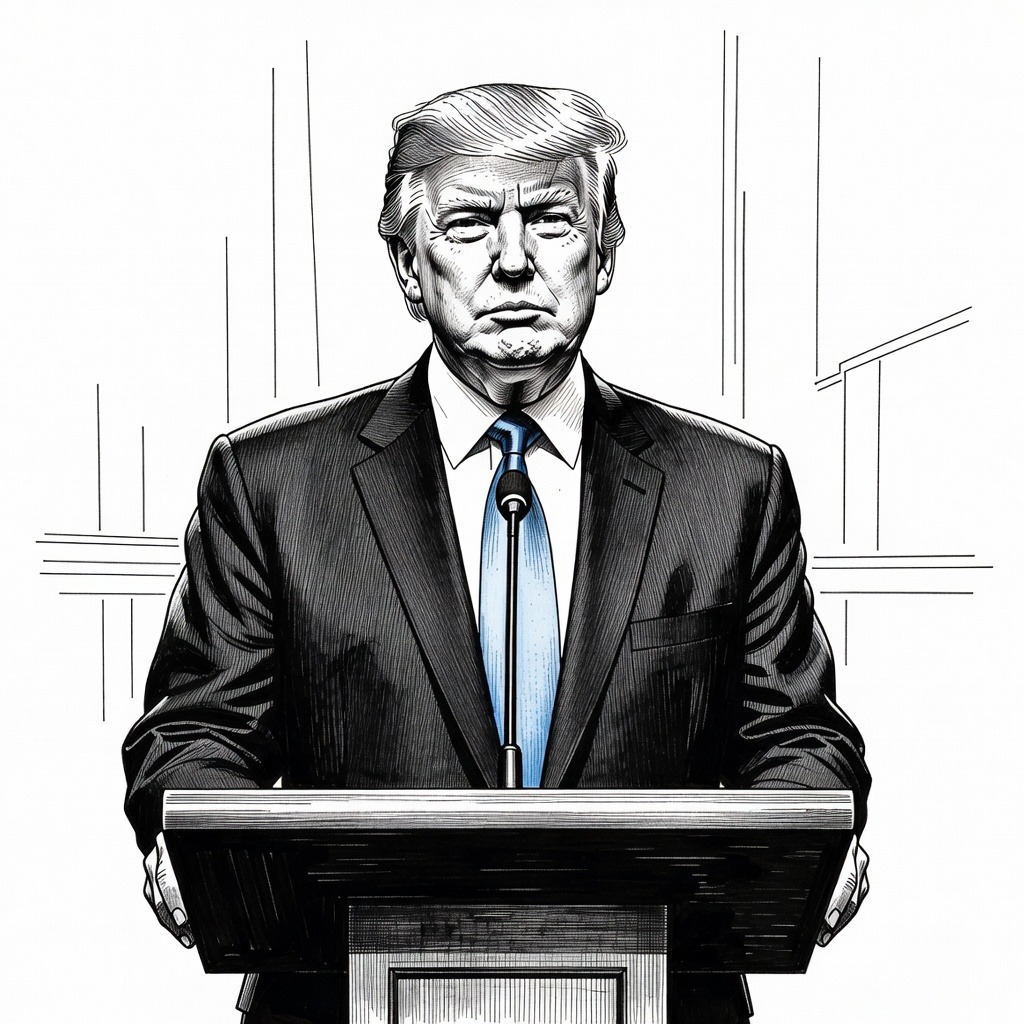
Illustration for: House Passes Symbolic Resolution Aimed at Curbing Presidential War Powers in Iran
AI-generated illustration. Visual interpretation does not represent real individuals or scenes.

THE BARE STORY

The U.S. House of Representatives voted 215-208 on Wednesday to pass a concurrent resolution aimed at curbing President Donald Trump’s war powers in the ongoing conflict with Iran. The measure calls for the termination of U.S. military action against Iran unless Congress formally declares war or authorizes the use of military force.

Four Republican lawmakers—Representatives Warren Davidson, Brian Fitzpatrick, Tom Barrett, and Thomas Massie—joined Democrats to pass the measure. As a concurrent resolution, the legislation does not carry the force of law and is not subject to a presidential veto. The measure, which now advances to the Senate, serves as a largely symbolic rebuke and marks the fourth time the House has voted on a resolution regarding Iran war powers since the conflict began.

Democratic Representative Gregory Meeks stated the vote demonstrates Congress upholding the Constitution and signals a need for the administration to explain its reasons for the conflict. Conversely, House Speaker Mike Johnson argued that restricting the administration's authority is dangerous to current negotiations. A White House official maintained that the president will continue using his constitutional authority to protect national security, dismissing the resolution's passage as the result of absent Republican members.

On Thursday, President Trump criticized the four Republicans who supported the measure, calling them unpatriotic and asserting they were aware of his final negotiations to end the war. He also claimed that Democrats would rather see the country fail than allow his administration to achieve a diplomatic victory.

The congressional action occurs as the White House attempts to advance peace talks with Tehran. Negotiations between the two sides have sputtered following a temporary ceasefire in April.

Same Facts. Different Perspectives.

Two AI models. Two viewpoints. One factual foundation.

• Restoring Constitutional Power Balance The Reformer prioritizes democratic checks and balances over unilateral executive action to prevent the abuse of power. By voting 215-208 to demand formal congressional authorization for military force against Iran, this camp seeks to reclaim the legislature’s constitutional duty to oversee foreign conflicts. Even as a symbolic concurrent resolution, the measure successfully asserts that prolonged military action requires the explicit consent of the public’s elected representatives, framing unchecked executive war powers as a structural threat to the republic.

• Demanding Strategic Transparency Government accountability requires the executive branch to publicly justify its military engagements and diplomatic strategies. Representative Gregory Meeks’ assertion that the administration must explain its reasons for the ongoing conflict highlights the Left's deep skepticism of opaque, unilateral foreign policy. This camp views the White House's dismissal of the vote as a dangerous attempt to bypass necessary democratic scrutiny regarding the ultimate goals and human costs of the conflict with Iran.

• Checking Partisan Retaliation A healthy democratic system relies on the freedom of lawmakers to conduct oversight without facing executive intimidation. The President's decision to label the four dissenting Republican lawmakers as "unpatriotic" signals a dangerous erosion of institutional independence and civil liberties. For the Reformer, this rhetoric transforms a legitimate constitutional debate into an authoritarian loyalty test, threatening the very oversight mechanisms designed to hold the powerful accountable.

How it may affect me

As a U.S. reader:

• In the short term, the resolution will not alter existing laws or immediately halt military operations, as it is a symbolic measure lacking the force of law.

• The public may receive greater transparency regarding the conflict's strategic goals and human costs if the measure successfully pressures the administration to publicly justify its actions.

• In the long term, if the display of a divided government undermines executive leverage in ongoing peace talks, the public could face the consequences of a prolonged military conflict with Iran.

Read the story at

Note: All TheBareNews content is AI-generated. For additional context, reporting, and updates, you are invited to explore the news outlets linked above.