
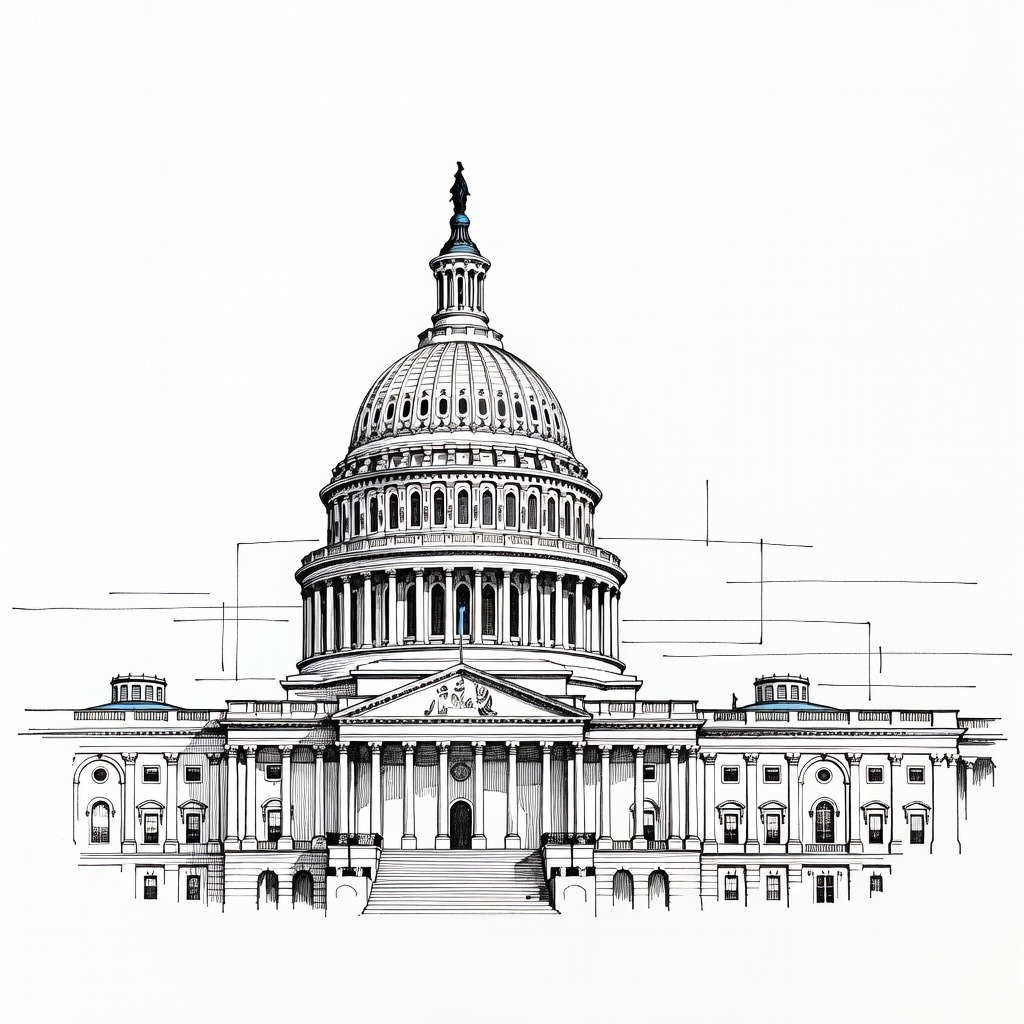
• Mandate Diplomatic De-escalation Prioritizing diplomacy over unilateral force is essential to preventing the catastrophic human costs of a wider Middle Eastern war. By passing the war powers resolution in a 215-208 vote, Representative Gregory Meeks, backed by all attending Democrats and four Republicans, aims to legally restrict unauthorized military engagement. This legislative maneuver reflects the core belief that military force should be a heavily scrutinized last resort rather than an unchecked tool of the executive branch.
• Anchor Policy In Consensus The legitimate use of state violence requires the overwhelming consent of the governed, which polling indicates is currently absent. With six in ten voters opposing military action against Iran, advocates view this resolution as a necessary alignment of foreign policy with clear public sentiment. Acknowledging Representative Ashley Hinson’s taped admission that prolonged conflict has become a political liability, this camp views the resolution as a necessary democratic corrective to halt an unwanted war.
• Dismantle Unilateral War Mechanisms Granting the executive branch perpetual authority to wage war fundamentally destabilizes international relations and risks endless military escalation. While the administration points to an April ceasefire, relying on executive goodwill without binding congressional authorization is viewed as dangerously fragile. Advocates fear that without enforcing the constraints of the 1973 War Powers Resolution, the United States will remain trapped in a cycle of aggression rather than committing to systemic peacebuilding.
How it may affect me
As a U.S. reader:
• In the short term, the public may face a reduced risk of sudden military escalation and its associated human costs, as the resolution attempts to legally mandate congressional approval before further conflict with Iran.
• Long-term national security outcomes could be affected if restricting executive military authority limits the administration's negotiating leverage to extend ceasefires and address Iran's nuclear program.
• Voters will likely see the conflict become a central issue in upcoming political campaigns, as representatives are already acknowledging that prolonged foreign engagements operate as a domestic political liability.
• Citizens may observe ongoing institutional gridlock over defense strategy, as the executive and legislative branches remain sharply divided over whether the 1973 War Powers Resolution is constitutional.