
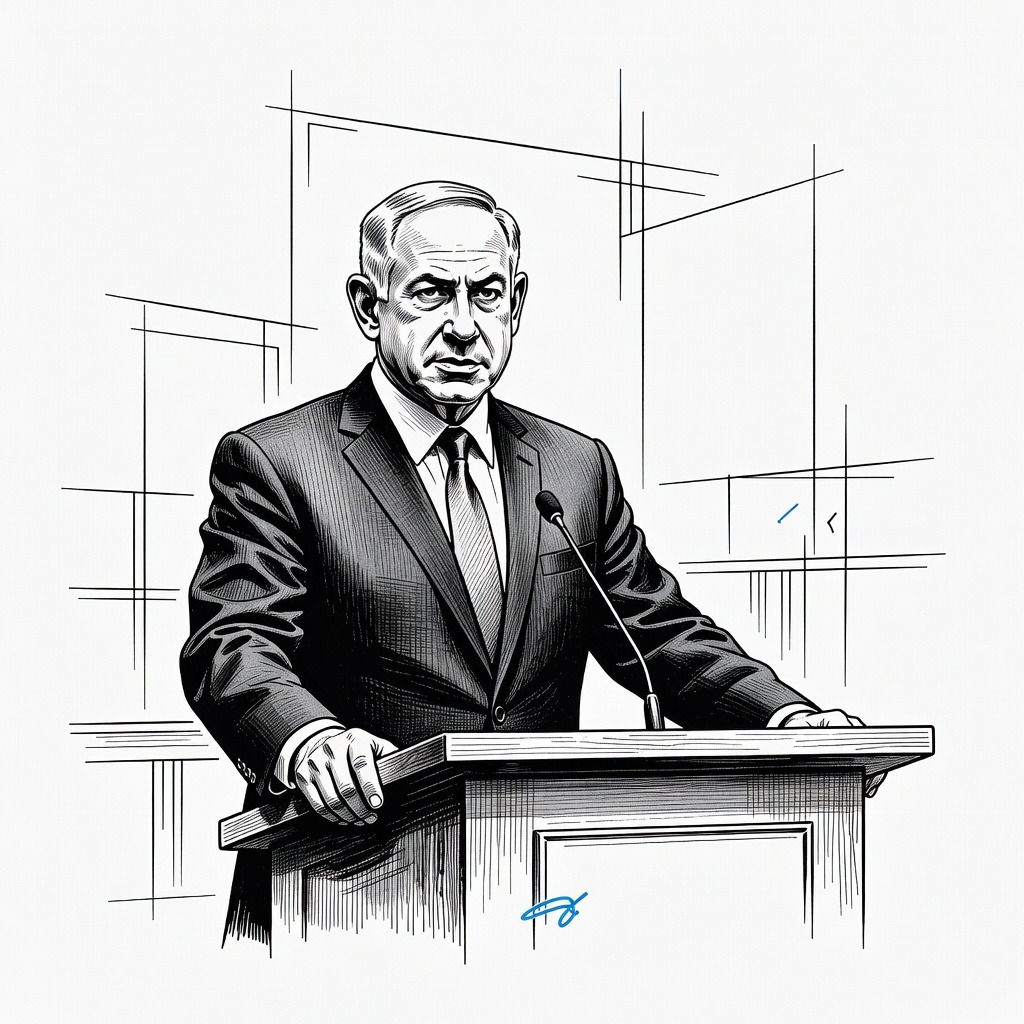
• Shielding Vulnerable Civilian Populations Prioritizes the immediate cessation of humanitarian suffering in a conflict that has already displaced over one million people and caused more than 3,000 Lebanese deaths. The Israeli decision to temporarily maintain troops in southern Lebanon to physically block evacuated residents from returning is interpreted as a failure of the agreement. This ongoing military footprint is viewed as a punitive measure that artificially prolongs a massive displacement crisis despite a nominal truce.
• Restricting Unilateral Executive Overreach Values democratic accountability and rigid legal constraints on the deployment of military force. The U.S. House resolution demanding a halt to unauthorized hostilities with Iran is viewed as a critical success and an essential institutional firewall. This legislative move protects the priority of constitutional oversight, ensuring that sprawling, high-casualty regional entanglements cannot be initiated without direct congressional authorization and public debate.
• Condemning Kinetic Diplomatic Sabotage Emphasizes good-faith de-escalation and views ongoing military posturing as inherently destabilizing to long-term peace. Post-announcement drone strikes wounding three people in southern Lebanon, alongside explicit Israeli threats to bomb Beirut, are seen as profound risks. This aggressive posturing validates Iranian assertions that active military operations inherently paralyze broader diplomatic negotiations and undermine any genuine path to regional stability.
How it may affect me
As a U.S. reader:
• In the short term, military families and the public face a reduced risk of American troops entering a large-scale, high-casualty war, as the executive branch is explicitly avoiding full-scale military engagements with Iran while a bilateral truce holds.
• Long-term overseas military action may become subject to increased public debate and strict legal constraints, following the House resolution that demands the withdrawal of American forces from hostilities with Iran unless formal congressional authorization is granted.
• The public could see shifts in broader international stability depending on whether continued military posturing in Lebanon successfully contains adversarial state sponsors or paralyzes active diplomatic negotiations between the United States and Iran.