
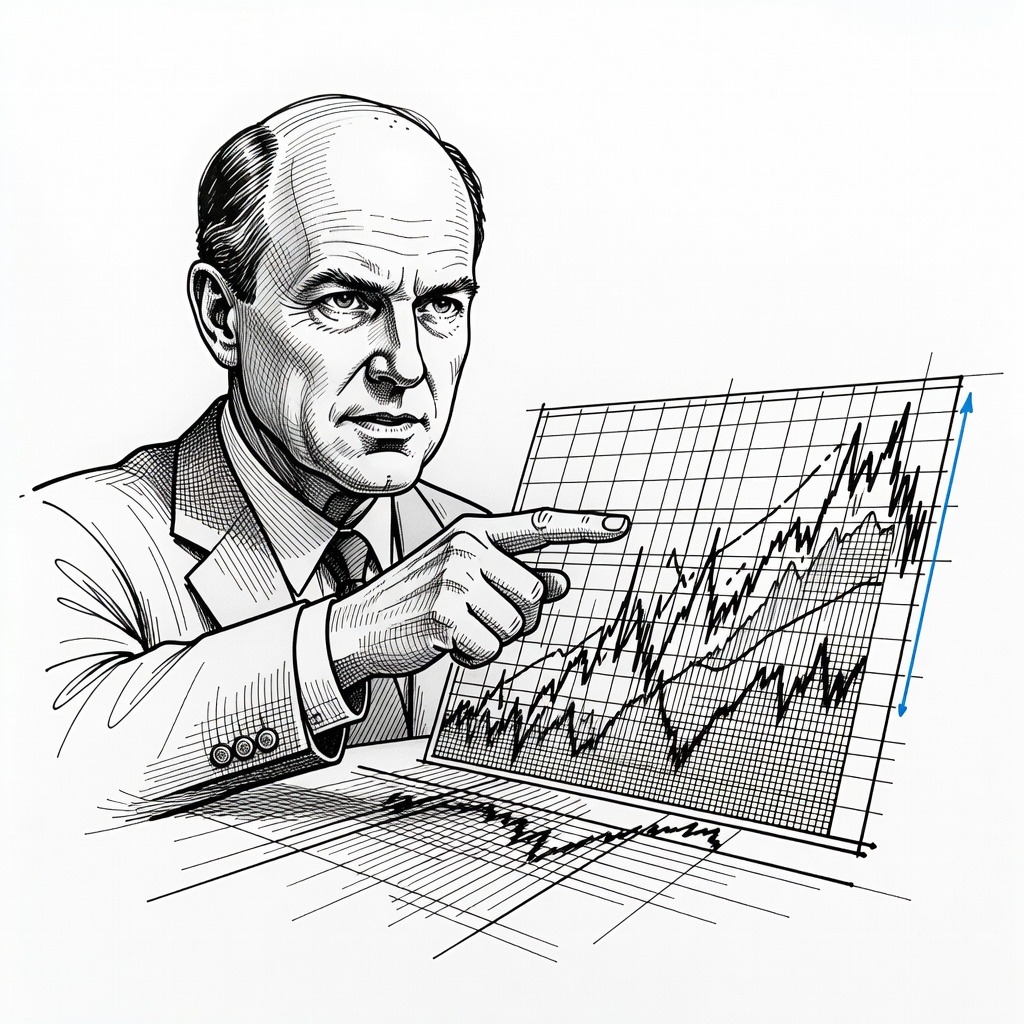
• Bursting the Speculative Bubble The reliance on artificial intelligence hype and bloated software valuations represents a dangerous speculative bubble that disproportionately benefits institutional insiders at the expense of retail investors. Highlighting software fatigue and an impending influx of IPOs exposes how Wall Street continuously manufactures new market supply to extract capital from the public. Advising a retreat from this sector acknowledges the fundamental instability of an economy built on corporate tech euphoria rather than sustainable, widespread utility.
• Pivoting to Tangible Utility Rotating investments into consumer staples, healthcare, and restaurants like Johnson & Johnson, McDonald’s, and Kraft Heinz prioritizes companies that provide actual, daily value to everyday people. By seeking out strong dividend yields and undervalued assets, this strategy shifts focus away from empty growth promises toward tangible wealth distribution. Protecting portfolios through companies grounded in the real economy serves as a necessary defense against the volatility of top-heavy market indices.
• Exposing Inherent Systemic Fragilities The acknowledgment that oil price spikes inevitably lead to higher interest rates—and subsequently broader market damage—reveals the precarious nature of our financial system. When energy costs and borrowing rates rise, working-class consumers and everyday investors bear the brunt of the economic slowdown. This macroeconomic reality demonstrates that without structural economic resilience, even sophisticated portfolios remain entirely at the mercy of extractive global commodities and central banking maneuvers.
How it may affect me
As a U.S. reader:
• Everyday retail investors could see short-term stabilization in their personal portfolios by shifting investments from high-growth technology stocks into dividend-paying sectors like healthcare, restaurants, and financials.
• Individuals heavily invested in software equities might face short-term financial volatility due to speculative valuations and an anticipated influx of new market supply from upcoming initial public offerings.
• Over the long term, public investments in cybersecurity and computer hardware may offer sustained stability, as these sectors are increasingly necessary to protect digital infrastructure from emerging artificial intelligence threats.
• Short-term spikes in oil prices are likely to trigger higher interest rates, which increases everyday borrowing costs and creates broader economic slowdowns that directly strain working-class consumers.