
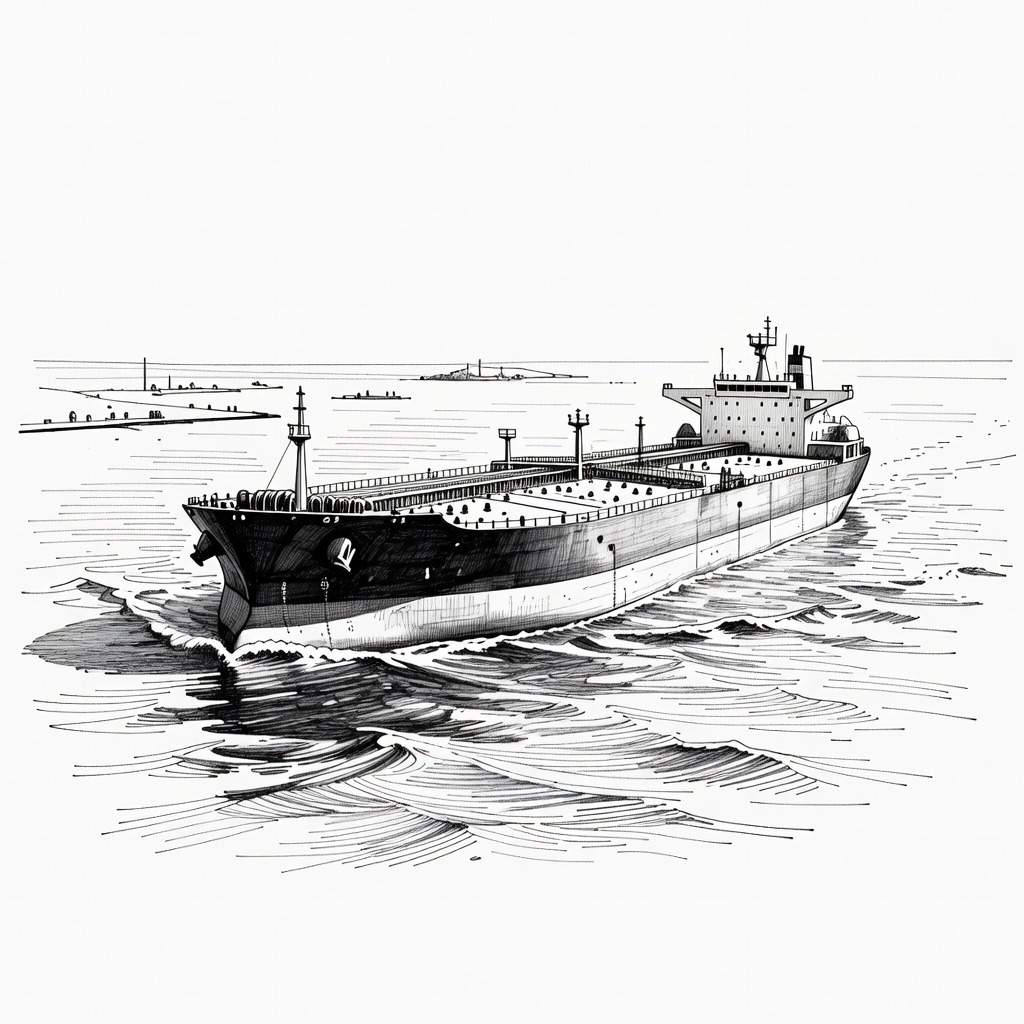
• Break the Retaliatory Spiral Preserving the fragile April 2026 ceasefire is the paramount objective over securing tactical military victories. The exchange of fire—ranging from the U.S. strike on Qeshm island to the IRGC targeting the Fifth Fleet over a disabled oil tanker—demonstrates how tit-for-tat escalations perpetuate violence. This cyclical reliance on kinetic force inherently risks triggering a return to the full-scale war that erupted earlier in the year.
• Prioritize Global Economic Lifelines The fundamental metric of security is the safety of civilians and global stability, which are severely compromised by ongoing hostilities in a 20% global oil chokepoint. While the White House characterizes maritime disruptions as temporary by citing the destruction of forty minelaying vessels, this military framing ignores the lasting collateral damage. As S&P Global Market Intelligence indicates, commercial shipping remains paralyzed, proving that explosive brinkmanship inflicts intolerable humanitarian and economic costs on the international community.
• Beware Maximalist Diplomatic Hurdles Effective diplomacy requires pragmatic off-ramps rather than rigid ultimatums that corner an adversary. Secretary of State Marco Rubio’s insistence that any long-term agreement by President Trump must definitively require Iran to clear the mines acts as a dangerous precondition to peace. Mandating absolute capitulation before normalizing relations often sabotages the negotiation process entirely, ensuring the Strait of Hormuz remains a militarized flashpoint rather than transitioning back to a secure commercial waterway.
How it may affect me
As a U.S. reader:
• You may experience the economic effects of massive supply disruptions, as hostilities and explosive mines have drastically reduced traffic in a waterway responsible for twenty percent of global oil supplies.
• U.S. military personnel stationed in the Middle East, including those at the Fifth Fleet headquarters, face immediate physical risks from ongoing ballistic missile, drone, and maritime attacks.
• There is a short-term risk of the United States being drawn back into a full-scale war if the current tit-for-tat military escalations cause the fragile April 2026 ceasefire to collapse.
• Long-term relief from global market and shipping disruptions will likely be delayed, as full commercial access depends on comprehensive demining operations that U.S. leadership demands as a strict precondition for a lasting diplomatic agreement.