
• Prioritize De-escalation Over Force Values the preservation of human life and non-violent resolution over aggressive tactical intervention. The confirmation that crisis negotiators have established phone contact and secured the current safety of everyone inside validates the necessity of social-work-oriented policing tactics. By centering dialogue rather than immediate physical breaching, this approach minimizes the risk of collateral damage and protects vulnerable individuals caught in an unpredictable crisis.
• Demand Precision In Classification Prioritizes institutional transparency and rigorous government accountability. The conflicting official statements—where some officers label the event a hostage situation while a spokesperson claims community members are simply refusing to exit—expose dangerous systemic communication flaws. Mischaracterizing a voluntary or passive barricade scenario as a hostile kidnapping risks triggering an unwarranted escalation of lethal force and inflames unnecessary public panic.
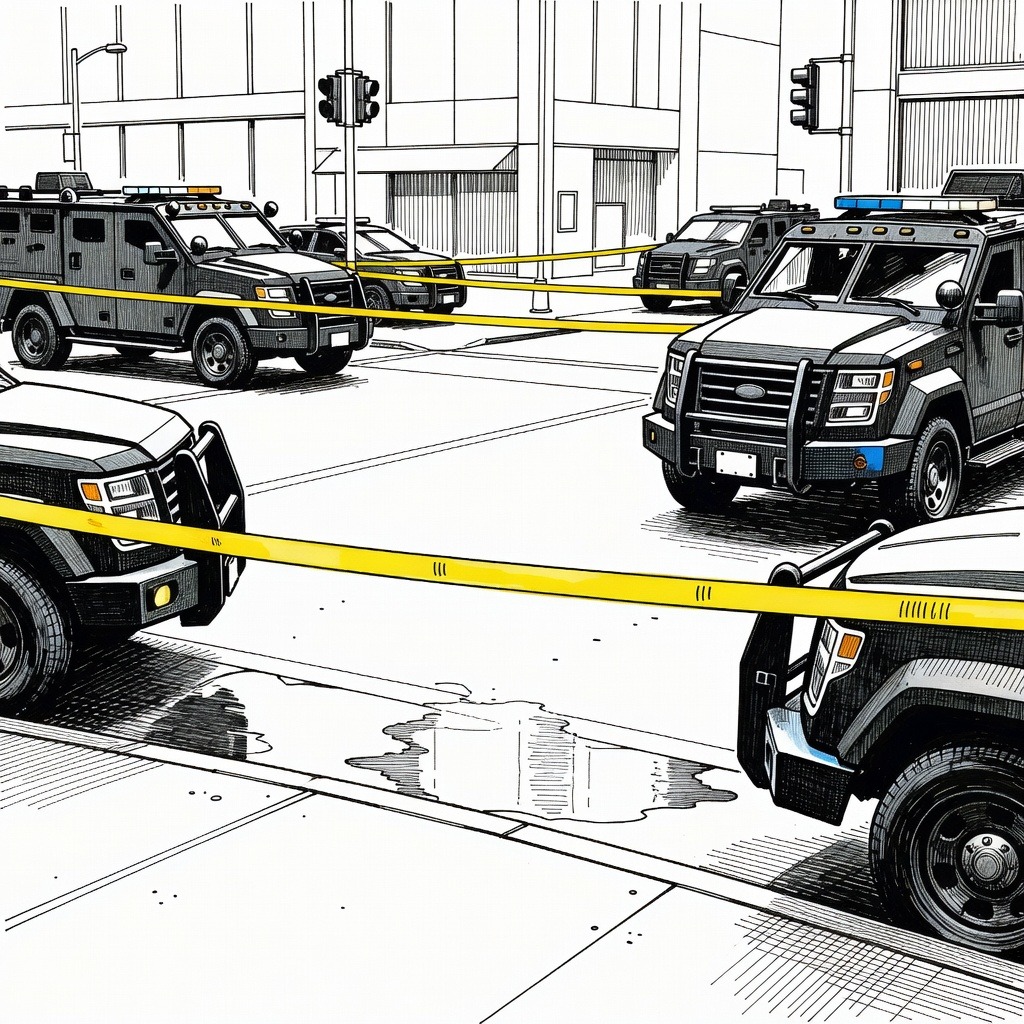
• Scrutinize Militarized Security Apparatus Cautions against the institutional normalization of hyper-militarized domestic policing frameworks. The rapid, simultaneous deployment of SWAT units, drone teams, and federal bodies like the Department of Homeland Security to a local bank standoff triggers immediate concerns of tactical overreach. This perspective fears that treating localized crises with the same overwhelming resources used for counter-terrorism normalizes disproportionate state power and threatens civil liberties.
How it may affect me
As a U.S. reader:
• In the short term, individuals in downtown Bakersfield will experience immediate disruptions to civic movement and local business access due to mandatory evacuations and a strict three-block security perimeter.
• Conflicting official statements regarding the presence of hostages may cause public confusion and highlight the practical need for clear, transparent law enforcement communication during active crises to prevent unnecessary panic.
• The use of crisis negotiators to establish phone contact demonstrates a short-term practical application of de-escalation tactics aimed at securing the safety of the public without immediate physical breaching.
• In the long term, the deployment of federal entities like the FBI and the Department of Homeland Security alongside local SWAT teams may reflect a broader normalization of using highly equipped, interagency security networks to manage localized municipal threats.