
• Exposing Systemic Security Vulnerabilities The Left views Cole Allen’s ability to transport an arsenal—including a shotgun, a handgun, and knives—from California to a Washington Hilton checkpoint as a catastrophic failure of systemic public safety. This incident reinforces the Reformer belief that unchecked firearm access inherently endangers all levels of society. The breach demonstrates how lax systemic regulations ultimately transform vital civic gatherings into high-risk targets for lethal violence.
• Safeguarding the Free Press Association president Weijia Jiang’s emphasis on scaling down the July 24 gathering to implement enhanced access procedures reflects the core priority of protecting journalists. The primary function of this dinner is to foster government accountability by bringing the press and the executive branch together. The Left sees securing this space—safely isolating journalists from physical threats—as essential to maintaining civil liberties and preserving an independent press corps capable of challenging power.
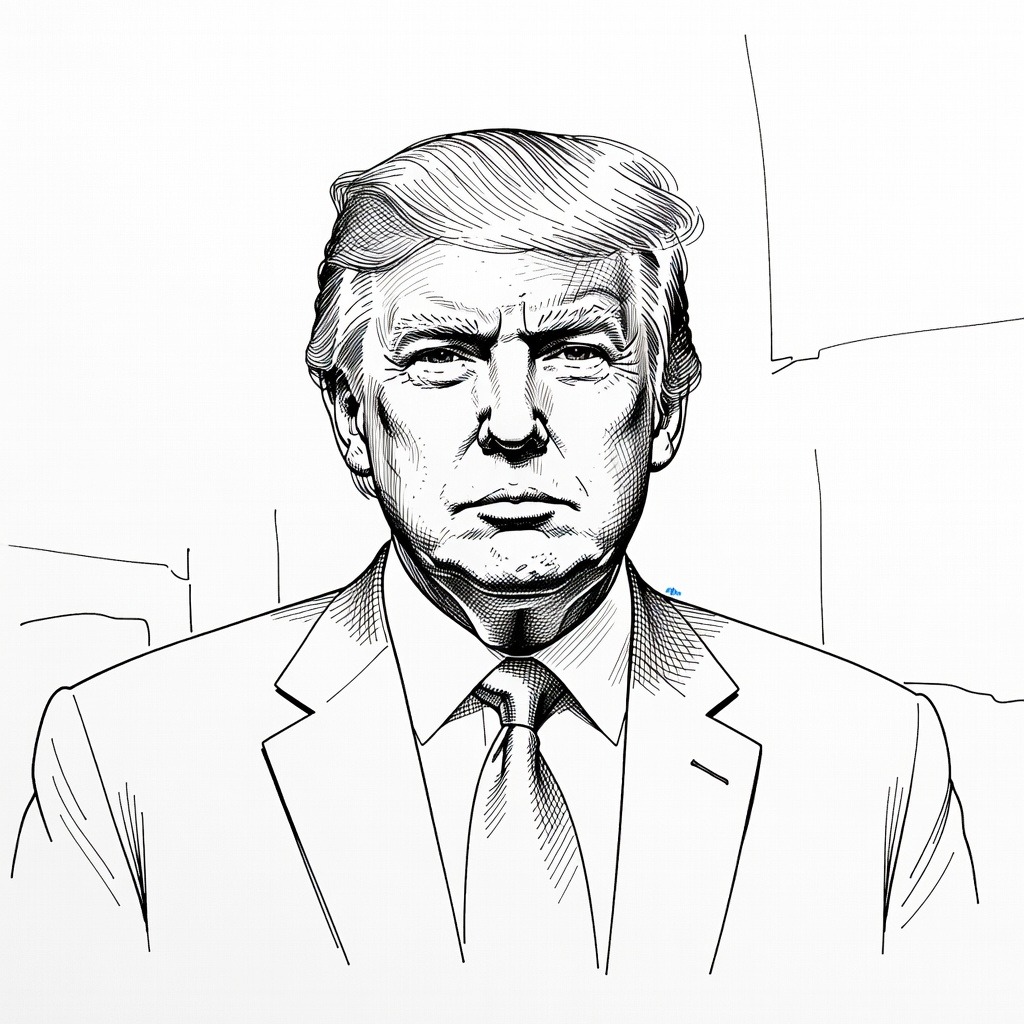
• Resisting Executive Narrative Control President Trump’s unilateral social media announcement that the dinner will occur at the Waldorf Astoria, preempting the association's own venue planning, triggers skepticism of executive overreach. The Left interprets this move as an attempt by the administration to co-opt an independent press event for political theater. Prioritizing a top-down projection of strength over the association's autonomous security protocols is viewed as undermining the institutional boundary between the free press and the government.
How it may affect me
As a U.S. reader:
• In the short term, you may encounter heightened security checkpoints, stricter perimeter controls, and increased law enforcement presence when near venues hosting high-profile political or civic gatherings.
• Over the long term, your access to government accountability reporting may be indirectly impacted as journalists interact with the executive branch in smaller, more tightly restricted environments designed to isolate them from physical threats.
• You will likely observe continued public debates regarding systemic public safety, specifically focusing on whether to address vulnerabilities through stricter regulations on firearm access or through heavily armed law enforcement responses.
• You may experience a long-term hardening of public institutional spaces, as government operations increasingly adapt to prioritize strict vetting processes and severe federal penalties to deter armed disruptions.