
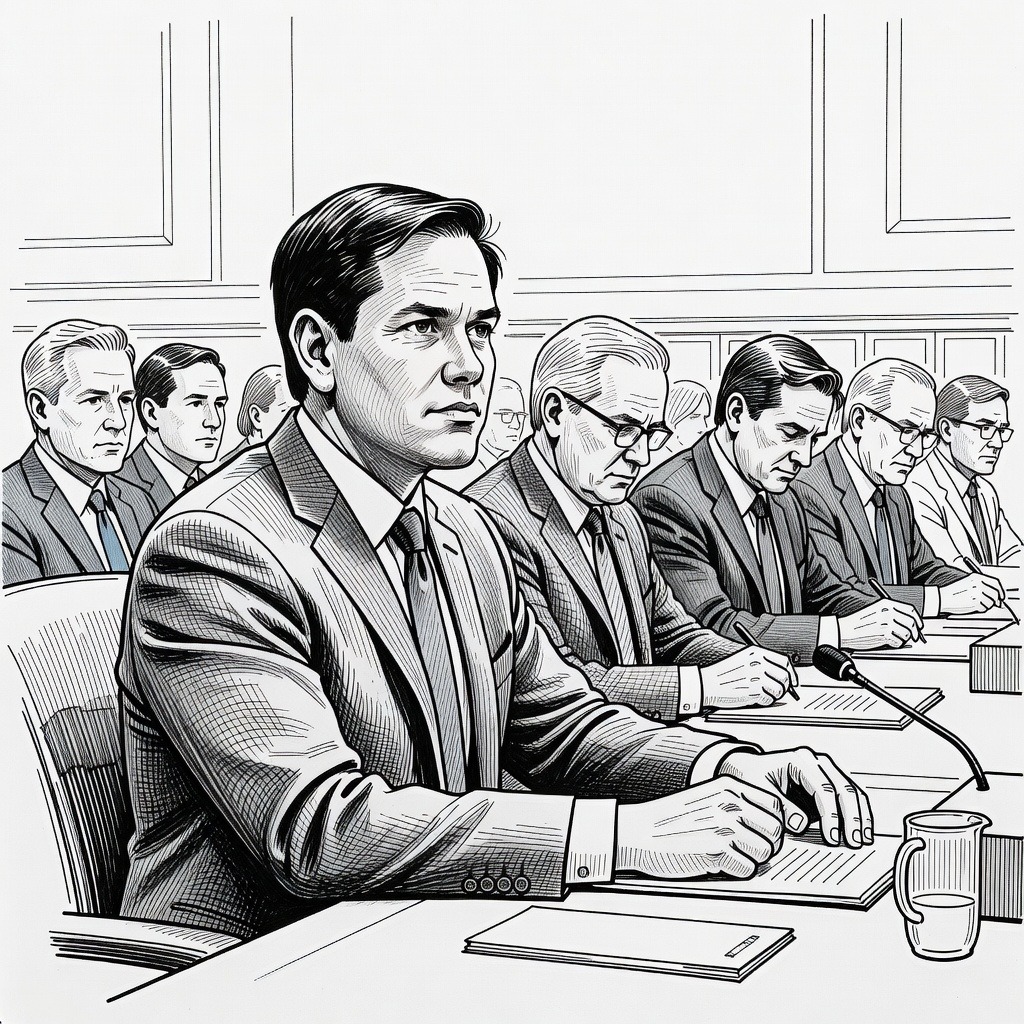
• Check Unilateral Executive Force Prioritizing constitutional accountability, this camp views the administration's sustained military operations since February 28 without congressional approval as a dangerous institutional overreach. Unilateral executive action bypasses democratic checks and balances, shifting the nation into an opaque state of undeclared war. The lack of legislative authorization sets a hazardous precedent where military force becomes an unchecked first resort rather than a democratically sanctioned necessity.
• Expose the Economic Casualties Valuing systemic stability and public well-being, this perspective points to the severe disruptions in the Strait of Hormuz as proof that aggressive posturing yields devastating global consequences. The resulting spike in energy prices and broader economic fallout demonstrates that military intervention often harms the very populace and global markets it claims to protect. By highlighting the toll taken on global shipping and consumer wallets, this camp argues that armed conflict carries unacceptable, cascading economic risks.
• Block Covert Regime Change Rooted in anti-interventionist philosophy, this framework views the administration's peripheral maneuvers with deep skepticism. Lawmakers questioning Rubio about escalating tensions with Cuba and Venezuela highlight a fear that the Iran conflict is part of a broader, aggressive push for global regime change. In this view, labeling Cuba a national security threat and charging Raúl Castro look less like justice and more like manufactured pretexts for further unwarranted military adventurism.
How it may affect me
As a U.S. reader:
• In the short term, consumers may experience increased energy prices and economic strain resulting from the severe disruption of global trade and shipping in the Strait of Hormuz.
• The sustained military operations mean the public is currently funding and engaged in an overseas conflict that lacks formal congressional approval, bypassing standard democratic checks on the use of military force.
• In the long term, the outcome of intermediary negotiations will determine whether the public faces prolonged global conflict or a de-escalation that includes comprehensive restrictions on Iran's nuclear program.
• Escalating tensions, criminal charges against foreign leaders, and potential regime change policies directed at Cuba and Venezuela could draw the United States into additional long-term military or diplomatic entanglements in the Western Hemisphere.