
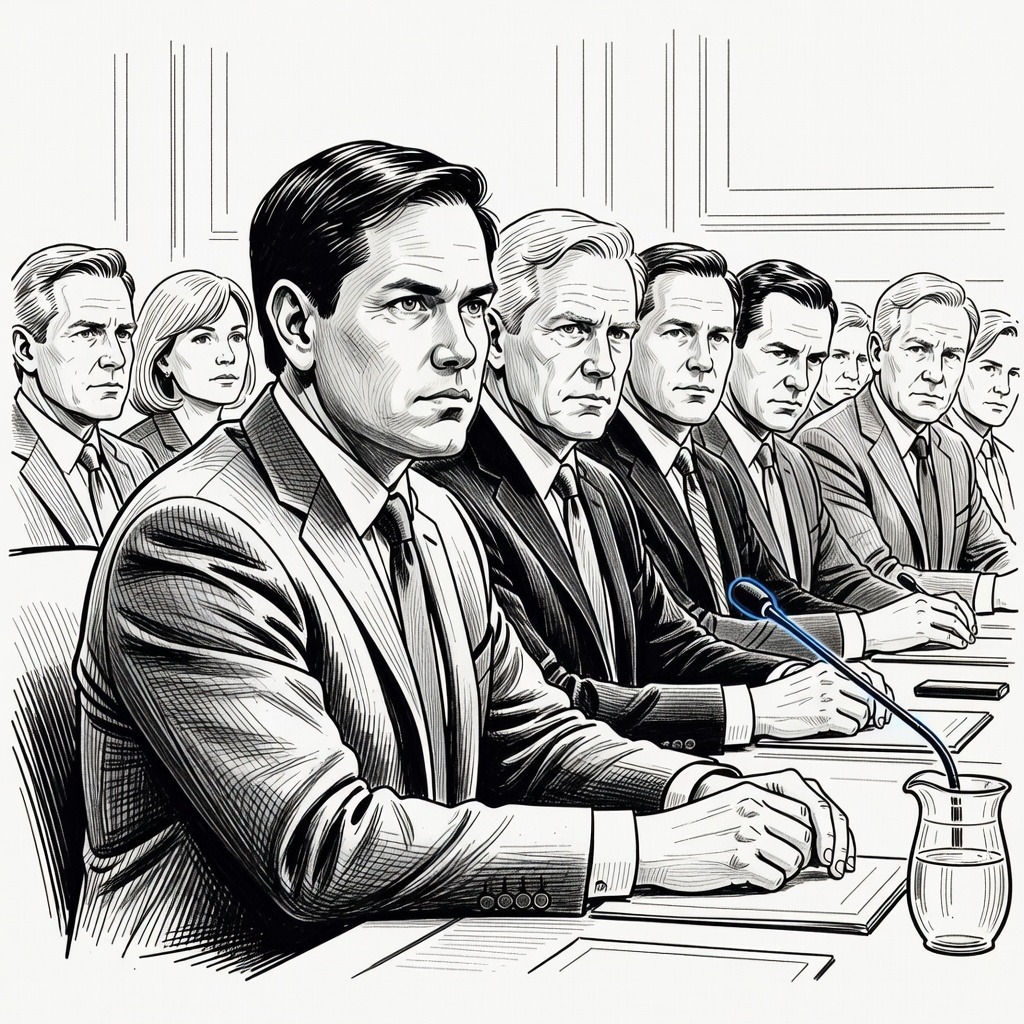
• Shielding Constitutional War Powers Prioritizes democratic checks and balances over unilateral executive military action. The bipartisan legislative push to halt unauthorized involvement in Iran is viewed as a necessary mechanism to prevent deliberate mission creep. By demanding congressional approval, this framework anchors the use of military force to public accountability and legally limits the scope of an undeclared, widening campaign.
• Sabotaging Diplomatic Off-Ramps Prioritizes de-escalation and negotiated settlements over volatile kinetic posturing. Striking Iranian radar and drone facilities, even if strictly framed as defensive, is seen as recklessly jeopardizing the fragile April ceasefire. President Trump's dismissive rhetoric toward stalled negotiations is viewed as a dangerous abandonment of diplomacy, elevating Secretary Rubio’s preference for a negotiated settlement as the only rational path to resolve the nuclear and blockade standoffs peacefully.
• Spiraling Toward Perpetual Conflict Warns against the compounding geopolitical dangers of unchecked retaliatory cycles. With hostilities entering their fourth month and vital chokepoints like the Strait of Hormuz hotly contested, there is deep concern that tit-for-tat strikes will ignite a broader regional war. The underlying fear is that prioritizing military dominance over pragmatic diplomatic concessions—such as targeted sanctions relief—will lock the U.S. into an unwinnable, endless conflict.
How it may affect me
As a U.S. reader:
• In the short term, you will see a domestic legislative battle that could alter how quickly the military is allowed to respond to overseas threats, as Congress seeks to mandate public accountability and formal authorization for continued action.
• Over the long term, you face the national security risks of the country being drawn into a broader, perpetual regional war if retaliatory strikes escalate and vital chokepoints like the Strait of Hormuz remain contested.
• If diplomatic talks regarding uranium stockpiles and sanctions fail, you can expect sustained U.S. involvement in an overseas standoff as the government continues dedicating economic and military resources to enforce a blockade on Iranian ports.