
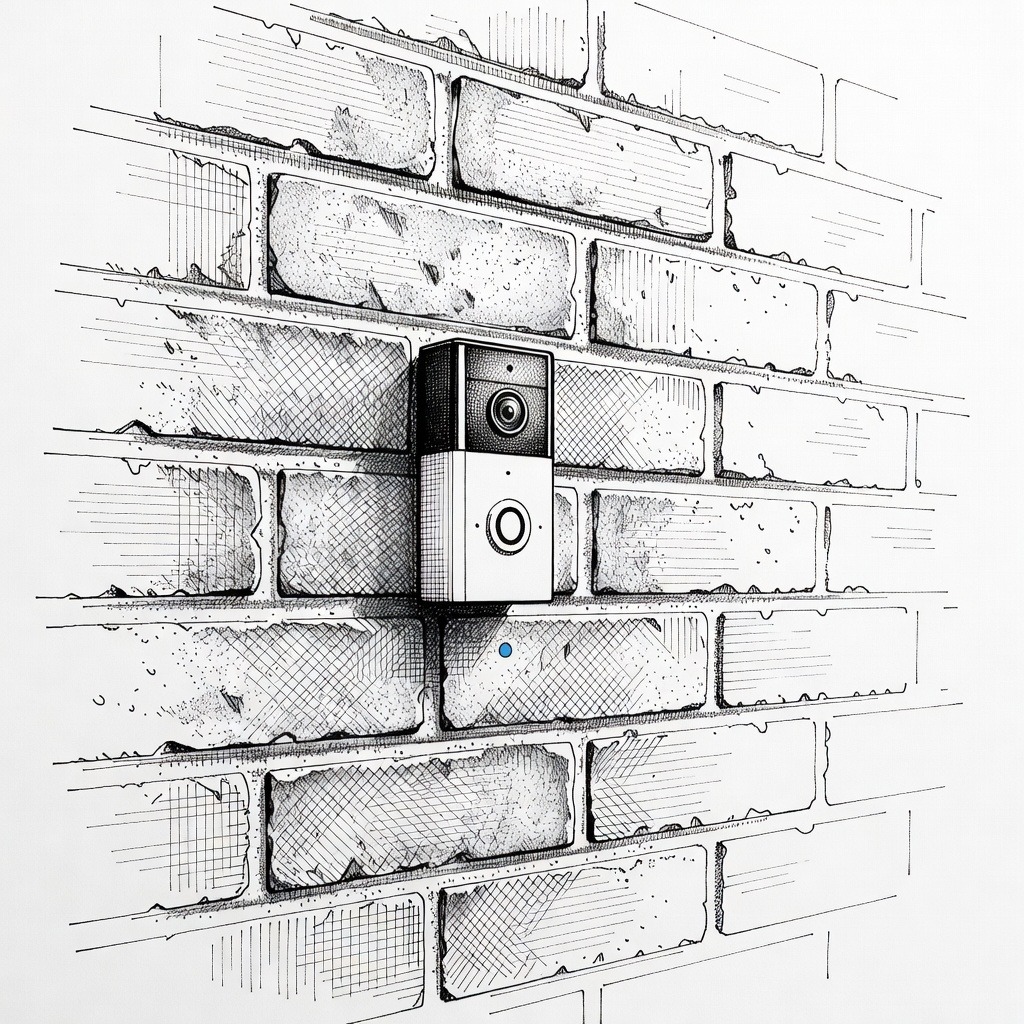
• Catalyst for Objective Accountability Civil liberties depend on the independent verification of state power to prevent institutional cover-ups. The doorbell camera recording serves as an essential safeguard that pierced the official narrative, forcing authorities to dismiss the retaliatory resisting and assault charges initially levied against 34-year-old Cherrie Moore. This digital transparency is viewed as the only reliable mechanism to hold law enforcement accountable when they abuse their authority.
• Criminalizing Mental Health Crises True justice requires the state to protect marginalized and vulnerable populations rather than subjugating them. The severe physical assault of a woman experiencing mental health issues highlights a systemic failure in how police approach individuals in distress. Rather than employing careful de-escalation tactics, Hyder's decision to repeatedly punch a fleeing suspect—resulting in a possible broken nose—reflects a dangerous institutional reflex that meets vulnerability with disproportionate violence.
• Exposing Structural Power Imbalances Government accountability demands that state-sponsored violence is treated with the maximum severity of the law. The revelation that Hyder and Moore had a previous encounter in August 2025 points to a localized pattern of targeted enforcement or cyclical harassment against specific citizens. Furthermore, the rapid release of the former officer on a $10,000 bond underscores a persistent, structural disparity where agents of the state are granted leniency while victims face immediate, compounded criminal charges.
How it may affect me
As a U.S. reader:
• In the short term, civilians may increasingly rely on personal digital recording devices like doorbell cameras to securely document police interactions and protect themselves against unwarranted or retaliatory criminal charges.
• Communities could experience shifts in policing strategies as departments face pressure to balance active property crime enforcement with non-violent de-escalation tactics when detaining individuals experiencing mental health crises.
• Residents may see local law enforcement agencies rely more heavily on immediate peer intervention and external state investigations as standard mechanisms to rapidly discipline excessive force and maintain institutional order.
• In the long term, the public may face ongoing civic debates regarding structural imbalances in the justice system, specifically concerning whether police officers receive more lenient bail conditions than civilians and whether vulnerable residents face cyclical, targeted enforcement.