
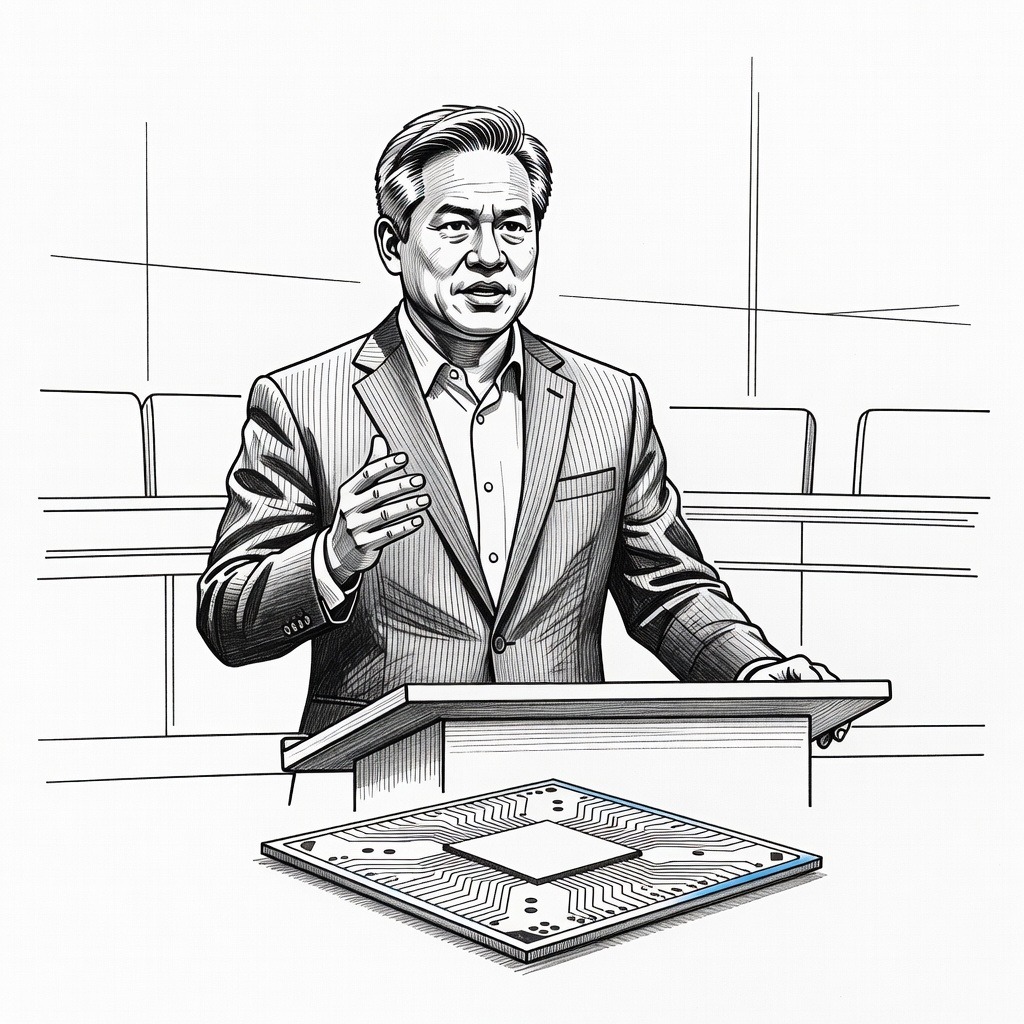
• Threat of Monopolistic Capture Nvidia's entry into the consumer PC market with the RTX Spark represents a dangerous expansion of its already massive dominance in artificial intelligence infrastructure. By aggressively moving to undermine the Intel and AMD duopoly, the company threatens to consolidate control over both cloud data centers and local consumer hardware. This vertical integration risks creating an inescapable hardware ecosystem that will ultimately extract higher costs from consumers once remaining competitors are starved of market share.
• Enforcing Architectural Hegemony Jensen Huang’s public criticism of Google and Amazon for developing their own custom data center chips exposes a clear corporate desire for architectural supremacy. This camp views Nvidia's dismissal of cheaper, alternative hardware as an attempt to penalize custom development and trap the industry within its proprietary Blackwell architecture. By demanding reliance on a single corporate standard, Nvidia seeks to dictate the terms of software development and eliminate alternatives that could lower systemic tech costs.
• Commodifying Consumer Processing Pushing AI computation directly onto consumer laptops and desktops offloads expensive processing requirements from corporate servers directly onto the end user. While marketed as a solution to latency and compatibility, forcing "agentic" AI to run locally turns personal workstations into engines for pervasive, hardware-intensive software. This creates an endless cycle of forced hardware obsolescence, requiring everyday consumers to constantly purchase new, expensive machines simply to participate in the digital economy.
How it may affect me
As a U.S. reader:
• In the short term, you will have access to new Windows laptops and desktops from major brands like Dell, HP, and Microsoft featuring these Nvidia processors starting this fall.
• Shifting artificial intelligence computing from cloud servers directly to your personal device could lower your reliance on paid cloud subscriptions and improve software response times.
• Over the long term, the transition to running complex artificial intelligence tasks locally may require you to purchase more expensive computers and upgrade them more frequently to keep up with processing demands.
• Nvidia introducing competition to Intel and AMD may initially drive better hardware innovation, but a long-term consolidation of the computing market could eventually result in fewer hardware choices and higher consumer prices.