
Legislative Agenda Stalls Over Trump Administration's Proposed Anti-Weaponization Fund

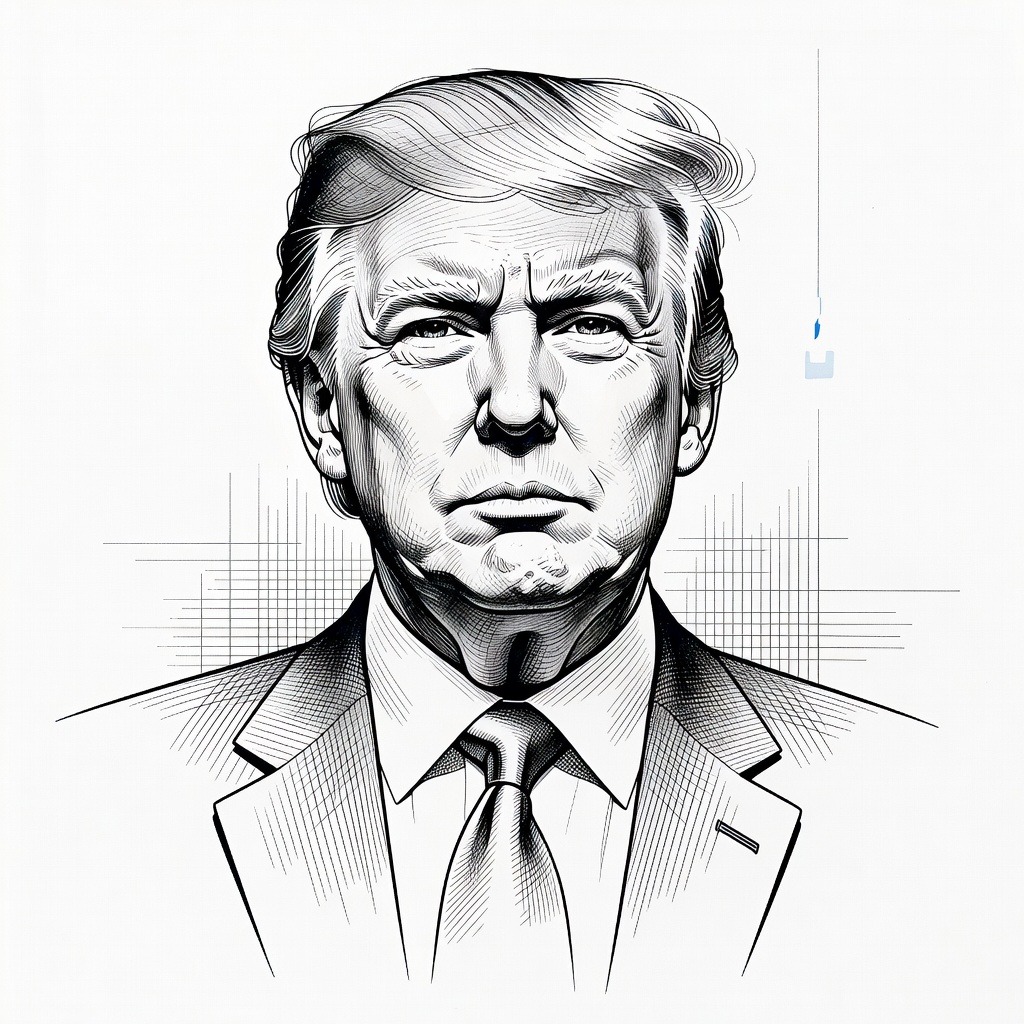
Illustration for: Legislative Agenda Stalls Over Trump Administration's Proposed Anti-Weaponization Fund
AI-generated illustration. Visual interpretation does not represent real individuals or scenes.

THE BARE STORY

A nearly $1.8 billion Justice Department initiative proposed by the Trump administration has stalled congressional efforts to pass a $72 billion immigration enforcement spending package. The dispute over the program adds to a growing backlog of legislative deadlines facing lawmakers ahead of the midterm elections.

The "anti-weaponization fund" is intended to compensate individuals who allege the government or legal system was unfairly used against them. Bipartisan lawmakers have raised concerns that the payouts could be directed to individuals involved in the January 6, 2021, Capitol attack. Senate Republicans recently questioned Acting Attorney General Todd Blanche over whether individuals convicted of assaulting police officers during the riot would be eligible for the money.

In response to the proposed program, Senate Democrats, led by Minority Leader Chuck Schumer, announced a coordinated legislative effort to eliminate the account through floor votes and amendments. Democratic lawmakers also introduced a bill aimed at preventing the funds from reaching the president, his associates, or participants in the Capitol attack. The congressional pushback follows a federal judge's ruling last week that temporarily blocked the Justice Department from distributing the funds.

Despite the temporary judicial injunction, a Justice Department spokesperson stated the agency remains confident in the fund's legality. President Donald Trump defended the program, stating it is necessary to aid individuals he claims were mistreated by the Biden administration.

With the broader $72 billion reconciliation package for border and immigration agencies currently delayed, Senate Republicans are reportedly waiting for the administration to modify the fund's provisions or considering alternative legislative solutions to resume voting.

Same Facts. Different Perspectives.

Two AI models. Two viewpoints. One factual foundation.

• Safeguard National Sovereignty The paramount duty of the state is maintaining national borders and enforcing the law, making the delay of the $72 billion immigration package a critical systemic failure. Traditionalists view border security as an essential pillar of national sovereignty that must transcend internal political disputes. The fact that vital immigration enforcement spending is currently paralyzed by a secondary $1.8 billion initiative represents a dangerous prioritization of partisan grievances over fundamental national security.

• Preserve Strict Civic Order Upholding the rule of law requires absolute support for law enforcement and an uncompromising stance against civic violence. Senate Republicans explicitly challenged Acting Attorney General Todd Blanche because compensating individuals convicted of assaulting police officers during the January 6 attack fundamentally violates conservative principles of law and order. For institutionalists, taxpayer-funded restitution cannot under any circumstances be granted to those who violently disrupted governmental proceedings and attacked state authorities.

• Recalibrate State Accountability While protecting citizens from perceived institutional overreach is a valid priority, the mechanisms for doing so must be legally sound and respect institutional continuity. President Trump’s argument that the fund aids those mistreated by the Biden administration resonates with right-wing fears of state weaponization, but the current execution is viewed as too broad and politically toxic. Consequently, Republicans are demanding the administration modify the fund's provisions to ensure it addresses legitimate grievances without inadvertently rewarding violent subversion.

How it may affect me

As a U.S. reader:

• In the short term, the delay of the $72 billion immigration package may stall vital funding and disrupt the operational capabilities of border and immigration enforcement agencies.

• Taxpayers face the possibility that $1.8 billion in public funds could be distributed to individuals alleging state mistreatment, potentially including those convicted in the January 6 Capitol attack, depending on the outcome of a temporary federal injunction and ongoing legislative negotiations.

• In the long term, the precedent of tying contentious executive initiatives to essential state funding bills could lead to broader legislative instability, increasing the likelihood of congressional gridlock that paralyzes future national infrastructure and critical government operations.

Read the story at

Note: All TheBareNews content is AI-generated. For additional context, reporting, and updates, you are invited to explore the news outlets linked above.