
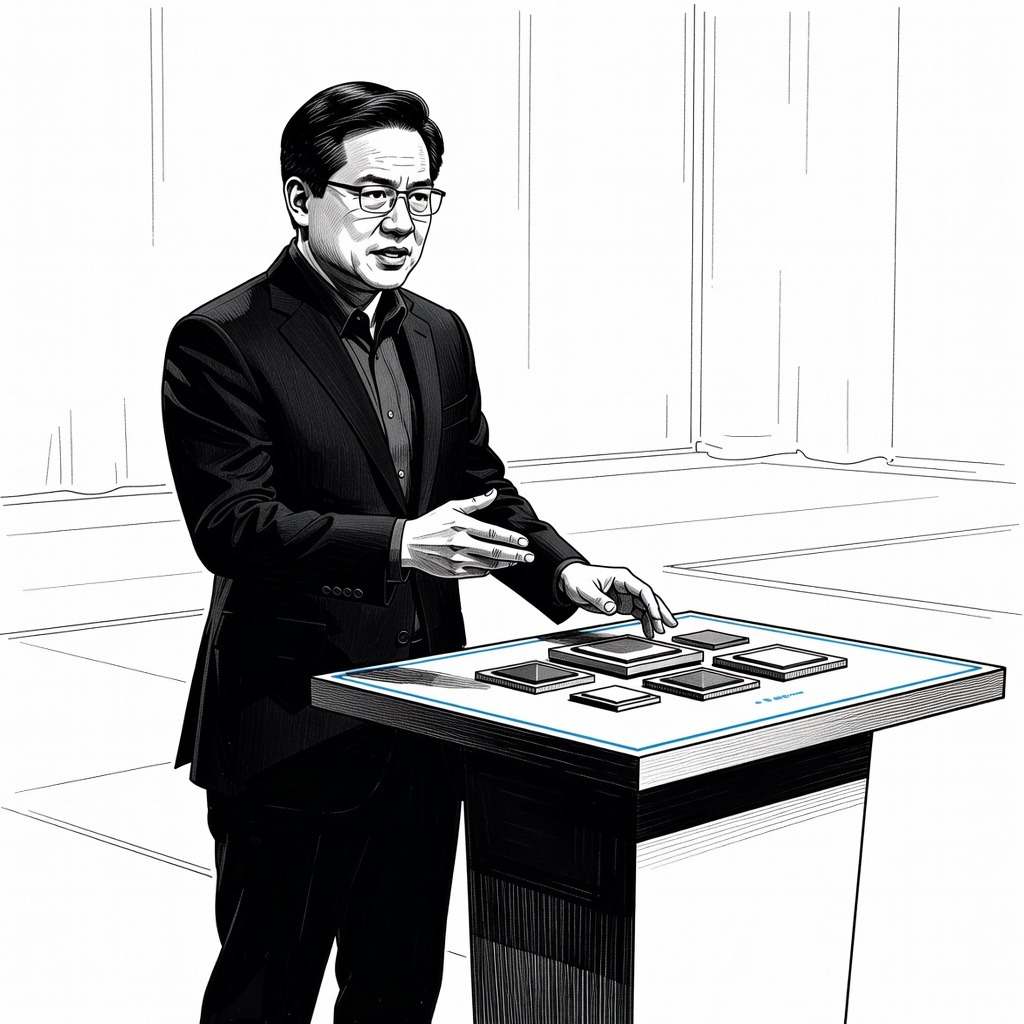
• Consolidating Mega-Corporate Monopolies Broad market equity and fair competition are fundamentally threatened by the deepening alliance between global hardware and software titans. Nvidia’s multi-year collaboration with Microsoft and its prioritized supply pipelines to giants like OpenAI and Anthropic signal dangerous infrastructural concentration. When a single hardware designer dictates the foundational processing baseline for both personal laptops and global data centers, it erects insurmountable barriers to entry for independent innovators.
• Accelerating Technological Extraction True consumer protection requires safeguarding individuals from deeply embedded, involuntary systemic architectures. Jensen Huang’s vision of integrating "autonomous artificial intelligence agents" directly into everyday Dell and Microsoft computers risks shifting control away from the human user toward corporate-designed algorithms. By embedding this capability at the processor level via the RTX Spark superchip, technology conglomerates gain unprecedented, localized access to consumer habits, accelerating data extraction under the guise of convenience.
• Hyper-Concentrating Capital Wealth Unregulated technological leaps primarily function to hyper-concentrate wealth among the existing capital class at the expense of sustainable economic balance. The immediate premarket rally of equities like ARM, IBM, and Hewlett Packard demonstrates how AI advancements are immediately leveraged to enrich institutional shareholders. Furthermore, the aggressive market punishment of legacy employers like Intel highlights a ruthless corporate arms race that prioritizes rapid algorithmic expansion over systemic labor and market stability.
How it may affect me
As a U.S. reader:
• Consumers looking to purchase new laptops or desktops this fall will see Microsoft and Dell models equipped with new processors specifically designed to run artificial intelligence programs locally.
• Individuals with investments or retirement funds in the technology sector may experience immediate shifts in their portfolio values, as market capital reallocates toward companies like ARM and Hewlett Packard and away from legacy manufacturers like Intel.
• In the long term, everyday computer use may evolve to include autonomous artificial intelligence agents designed to increase individual productivity, similar to the historical evolution of the smartphone.
• The hardware-level integration of these artificial intelligence tools may introduce long-term privacy implications, as technology companies could gain unprecedented access to localized consumer habits and data.
• The deepening partnerships between dominant processor manufacturers and major software and artificial intelligence developers may eventually limit consumer choices by creating market barriers for independent technology innovators.