
• Resisting Partisan Co-optation Protecting civic spaces from institutional overreach requires challenging efforts to merge national history with executive campaigning. The withdrawal of acts like Martina McBride and The Commodores is viewed as a necessary defense against the politicization of the United States' 250th anniversary. By refusing to participate in the Freedom 250 event, these artists enforce a critical boundary between neutral public observance and political theater.
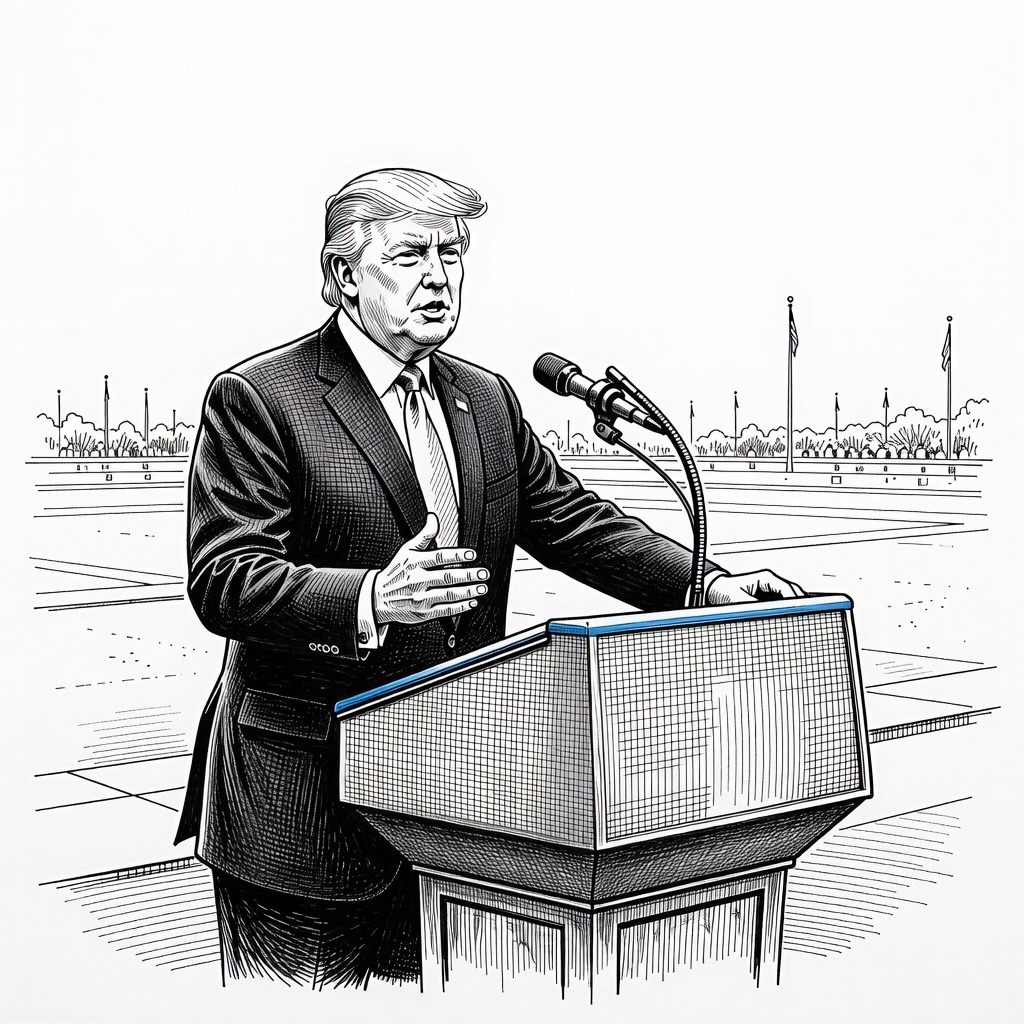
• Exposing Institutional Contradictions Transforming a planned concert series into a presidential rally validates the initial suspicions regarding the event's true alignment. The insistence by Freedom 250 organizers that the Great American State Fair remains "entirely nonpartisan" is interpreted as a deceptive framing of reality. Substituting diverse cultural representation with a speech by Donald Trump fundamentally alters the power dynamic, centering the celebration on a single political figure rather than the broader public.
• Erosion of Shared Heritage The long-term risk involves the permanent fracturing of national milestones into exclusionary ideological camps. When civic celebrations generate safety concerns—as cited by Bret Michaels—and rely on a disputed, diminished roster of performers like Vanilla Ice and Fab Morvan, the institutional status quo fails the public. This camp fears that converting the National Mall into a contested partisan zone alienates vulnerable demographics and destroys the possibility of genuine, accountable national unity.
How it may affect me
As a U.S. reader:
• In the short term, individuals attending the Great American State Fair on the National Mall will experience a presidential speech and rally instead of the originally planned musical concert series.
• Attendees expecting a neutral civic celebration will encounter a diminished entertainment lineup, including scheduled legacy performers whose rights to use their group names are publicly disputed by former colleagues.
• Members of the public visiting the event may face altered crowd dynamics or potential safety issues, which was a specific factor cited by withdrawing artists regarding their fans.
• In the long term, citizens may see a precedent set where shared national milestones, such as the 250th anniversary, become fractured into politically aligned gatherings rather than universally unified public observances.