
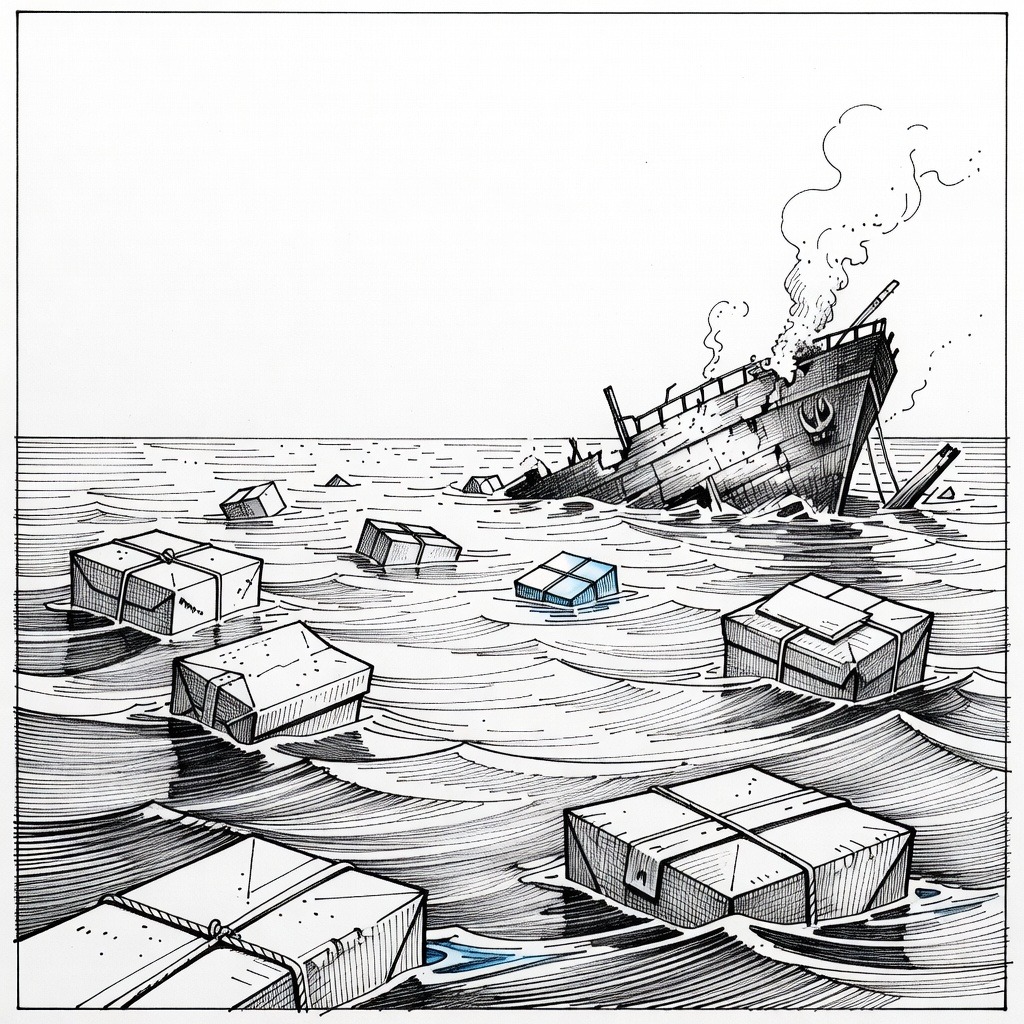
• Subverting Civilian Due Process The Trump administration's declaration of armed conflict against drug cartels serves as a dangerous loophole to bypass civilian law enforcement frameworks. By categorizing suspected smugglers as enemy combatants belonging to designated terrorist organizations, the military exercises lethal force without presenting public, judicial evidence. This paradigm risks normalizing state-sponsored executions—where unverified military assertions replace trials—fundamentally eroding constitutional and international legal protections for the accused.
• Crossing Humanitarian Red Lines The abysmal rescue rate of only three individuals and the inclusion of missing survivors among the 202 campaign fatalities signals a systemic disregard for the laws of armed conflict. Executing follow-on strikes that deliberately kill survivors of an initial blast—such as the September 2 incident—violates core tenets of international humanitarian law regarding incapacitated combatants. Applying overwhelming military violence to a narcotics issue degrades military ethics, invites credible accusations of war crimes from lawmakers, and maximizes the loss of potentially innocent life.
• Triggering Unchecked Escalation The rapid accumulation of 202 casualties since early September demonstrates the inherent volatility of deploying the armed forces against transnational crime. Lawsuits from relatives claiming the deceased were innocent, combined with the Pentagon inspector general's investigation into targeting procedures, underscore the severe institutional risks of an unbounded military mandate. Unilateral military campaigns across the Caribbean and Eastern Pacific risk creating a perpetual state of war that destroys lives without resolving the underlying socioeconomic drivers of the drug trade.
How it may affect me
As a U.S. reader:
• In the short term, the military's disruption of maritime smuggling routes in the Pacific and Caribbean may alter the flow and availability of narcotics entering the United States, as the government shifts from traditional policing to continuous military force.
• Over the long term, categorizing suspected drug traffickers as terrorists and enemy combatants could alter established U.S. legal precedents, potentially bypassing civilian law enforcement frameworks and weakening constitutional due process protections for the accused.
• Government resources will likely be absorbed by both sustaining these military operations and managing the resulting institutional fallout, including pending Pentagon inspector general investigations, congressional scrutiny, and civil lawsuits from families of the deceased.
• The use of lethal military tactics, specifically follow-on strikes that kill survivors of initial blasts, may expose the United States to international legal challenges and accusations of war crimes, potentially affecting the country's standing regarding international humanitarian law.