
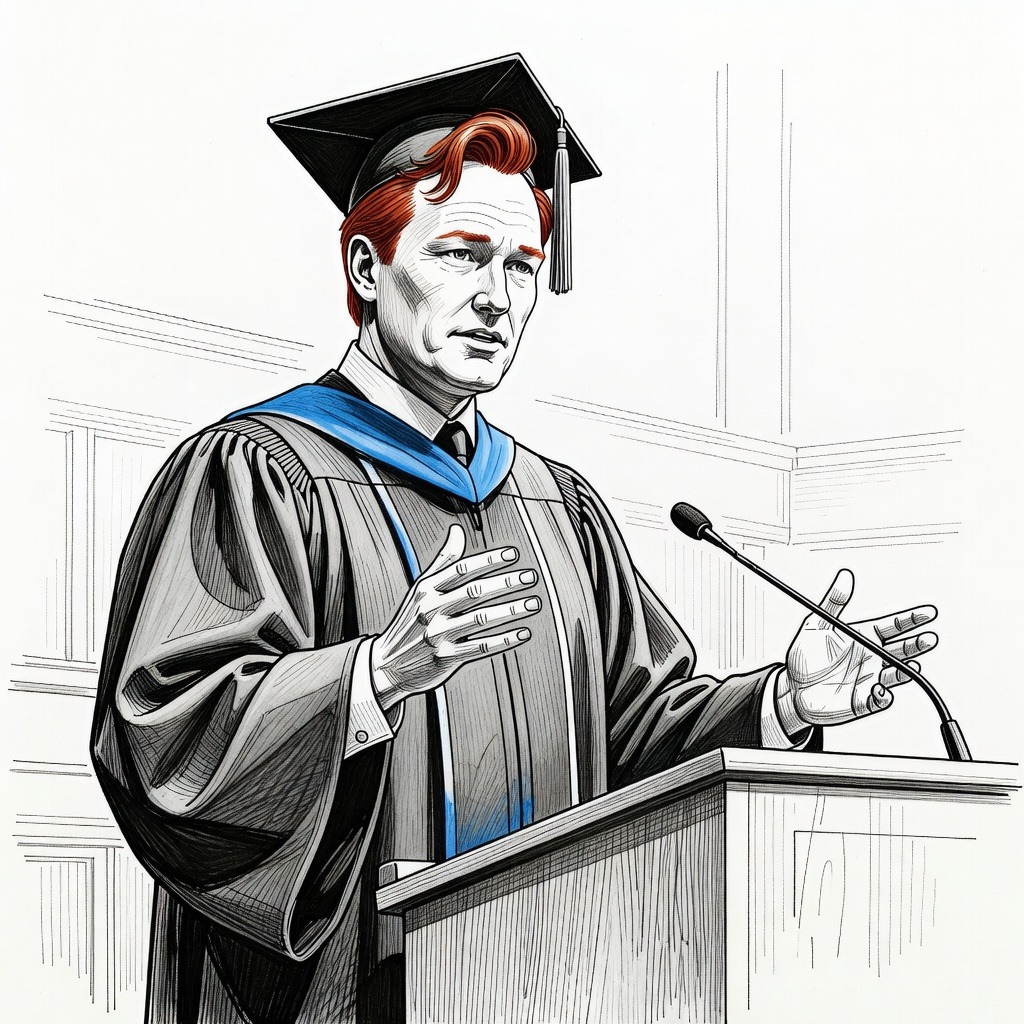
• Defending Global Intellectual Exchange Valuing cross-cultural collaboration, this camp views Conan O'Brien's condemnation of international student visa restrictions as a vital defense of academic freedom. Restricting global talent under the guise of national security is perceived as an isolationist maneuver that weakens America's educational supremacy and harms vulnerable immigrant populations. Defending international access is paramount to maintaining a progressive, globally integrated society that relies on shared innovation rather than closed borders.
• Validating Progressive Student Activism Honoring a senior for pro-Palestine activism, coupled with President Garber's assertion that graduates acted on their principles, signifies a successful defense of civil liberties. This camp prioritizes the right to protest and challenge systemic power structures, viewing the university’s actions as necessary resistance against intense external political pressure. Institutions must serve as sanctuaries for free expression, protecting students who challenge the status quo from institutional or governmental retaliation.
• Resisting Punitive Federal Overreach The $2.6 billion lawsuit and allegations of race-based discrimination are interpreted as a politically motivated weaponization of the federal government by the Trump administration. Rather than genuine civil rights enforcement, these legal attacks are seen as an ideological purge aimed at dismantling diversity initiatives and chilling institutional autonomy. The overarching fear is that executive power is being abused to force cultural compliance upon independent academic entities, threatening the foundational independence of higher education.
How it may affect me
As a U.S. reader:
• Ongoing federal lawsuits and judicial rulings regarding discrimination and student safety could lead to long-term changes in how American universities manage admissions, diversity programs, and civil rights enforcement.
• Short-term government restrictions on international student visas aimed at securing national borders may have long-term effects on the broader U.S. educational system, potentially impacting domestic innovation and cross-cultural academic collaboration.
• Increased legal and financial pressure on universities may directly alter the campus experience for college-bound citizens, shifting how institutions regulate student activism, protests, and free expression.
• The pursuit of massive financial penalties, such as the reported $2.6 billion lawsuit, could establish a long-term precedent for how much authority the federal government exerts over the independent operations and cultural initiatives of private academic institutions.