
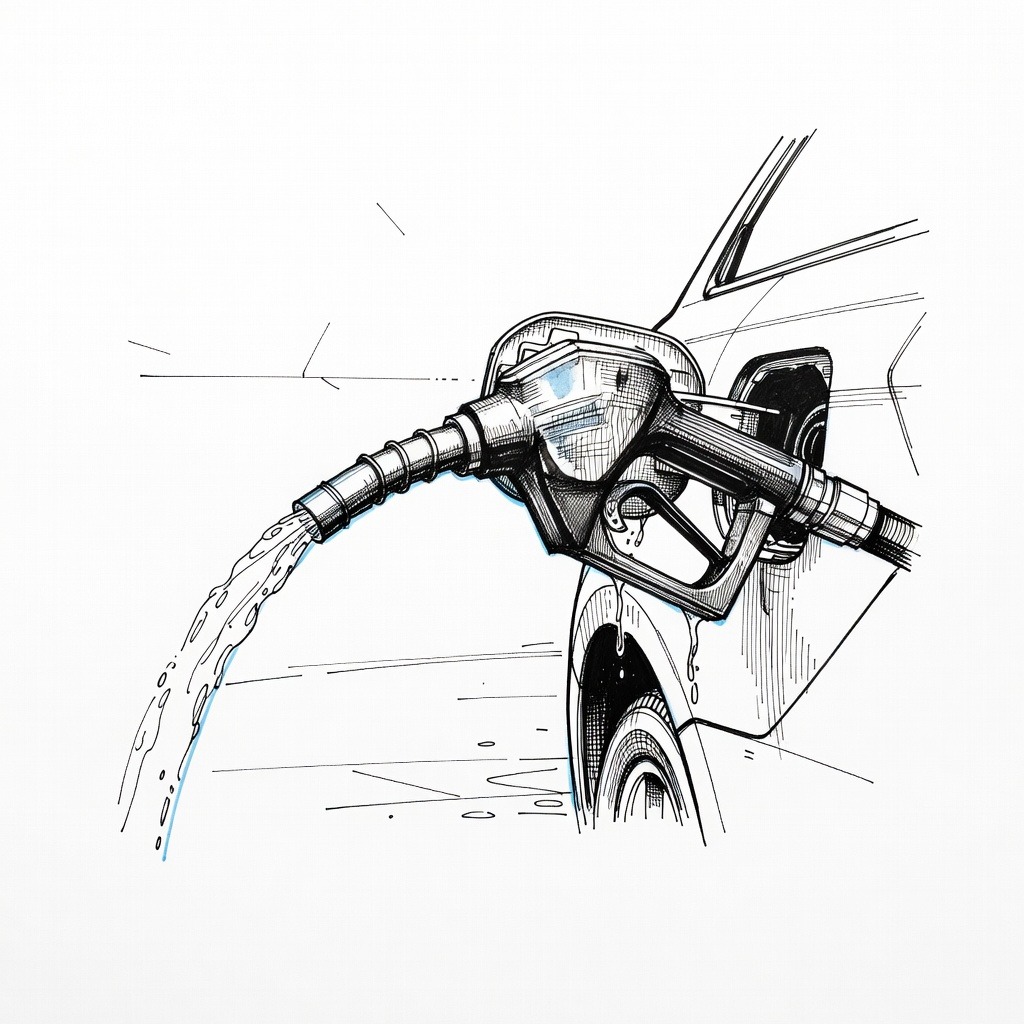
• Regressive Squeeze on Vulnerable Prioritizing social equity, this perspective views the $4.39 per gallon gas price as a highly regressive penalty on the working class. The Moody's data showing an average $450 additional fuel expense—totaling $60 billion cumulatively—is seen as a direct extraction of wealth from lower-income households. This highlights the fragility of an economic system where working families bear the immediate, devastating brunt of geopolitical shocks without systemic safety nets.
• Corporate Pass-Through Burden Focusing on institutional extraction, this framework critiques how corporations shield their profit margins by shifting costs downward. The warnings from Walmart and Costco executives that rising transportation costs will be added to store shelf prices exemplify structural inequity. The consumer adaptation of buying fewer than ten gallons at a time is not viewed as a mere market choice, but as a desperate survival tactic against systemic price pressure and flat income growth.
• Unsustainable Debt Dependency Trap Valuing long-term financial security for the working class, this camp identifies the drop in the personal savings rate to 2.6% and the $1.25 trillion in credit card debt as severe systemic failures. Instead of wages absorbing the shock of the Iran conflict, households are being forced into high-interest debt just to maintain basic living standards. This dynamic represents a dangerous upward transfer of wealth, trapping consumers in a cycle of financial insolvency to afford basic commodities.
How it may affect me
As a U.S. reader:
• You will face immediate increases in daily travel expenses, with gasoline averaging $4.39 per gallon, which may prompt you to adjust your purchasing habits by seeking discount retailers, buying smaller amounts of fuel per visit, or filling up more frequently.
• Over the short term, you can expect the prices of general consumer goods to rise as major retailers pass their increased transportation and fuel costs onto store shelves.
• In the longer term, covering these additional daily expenses alongside flat income growth may strain your household finances, increasing the likelihood that you will need to draw from personal savings or rely on credit card debt to maintain your standard of living.
• You may experience even sharper spikes in fuel prices within the coming weeks due to the ongoing blockage of global oil supplies at the Strait of Hormuz and unprecedentedly low oil reserves.