
• Exposing Systemic Prosecutorial Abuse Prioritizes civil liberties and views the justice system as vulnerable to localized prejudice without strict federal oversight. The fact that Prosecutor Doug Evans struck four of five prospective Black jurors, mirroring his exact behavior in the overturned 2019 Curtis Flowers case, is interpreted as a blatant pattern of state-sponsored discrimination. The Supreme Court's intervention is seen as a necessary structural check to hold rogue prosecutors accountable when state-level systems fail to self-regulate.
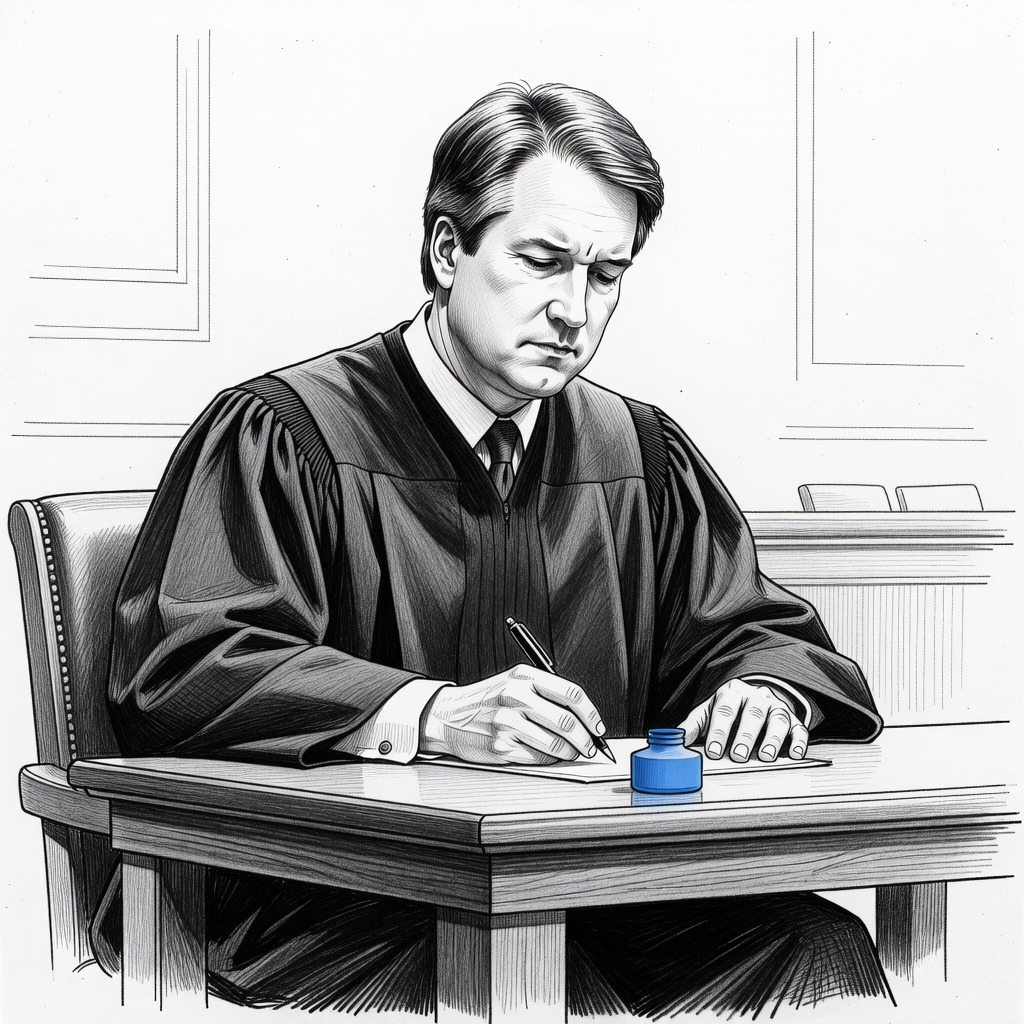
• Demanding Absolute Procedural Fairness Focuses on the imperative of government accountability, specifically arguing that the state must meet the highest possible burden of due process when seeking the death penalty. Justice Kavanaugh’s majority opinion, which noted the defense was denied the legally required opportunity to rebut race-neutral claims, highlights a fatal institutional breakdown. This camp believes that depriving a defendant of a truly impartial jury fundamentally delegitimizes the trial and the resulting conviction.
• Shielding the Systemically Vulnerable Centers on the intersection of race, youth, and disproportionate punishment within the criminal justice apparatus. The reality that an 18-year-old Black accomplice was sentenced to death by an 11-1 white jury, while the actual triggerman escaped capital punishment entirely, is viewed as a glaring symptom of systemic inequity. The ruling is celebrated as a crucial defense for vulnerable populations against arbitrary, biased, and disproportionate state violence.
How it may affect me
As a U.S. reader:
• Citizens participating in the court system as prospective jurors could face modified selection procedures, as the ruling emphasizes stricter federal scrutiny when attorneys use peremptory strikes to dismiss individuals from serving on a jury.
• Over the long term, the public may witness increased federal oversight of state and local criminal trials, potentially shifting the balance of power and limiting the autonomy of local courts in managing their own proceedings.
• Individuals, victims, and communities involved in older capital cases may experience delayed final verdicts, as the overturning of past convictions requires states to organize complex and resource-intensive retrials decades after the initial crimes occurred.
• The public may observe a shift in how the justice system manages severe criminal cases, with federal courts requiring states to meet a higher burden of procedural fairness and strict anti-discrimination checks before carrying out the death penalty.