
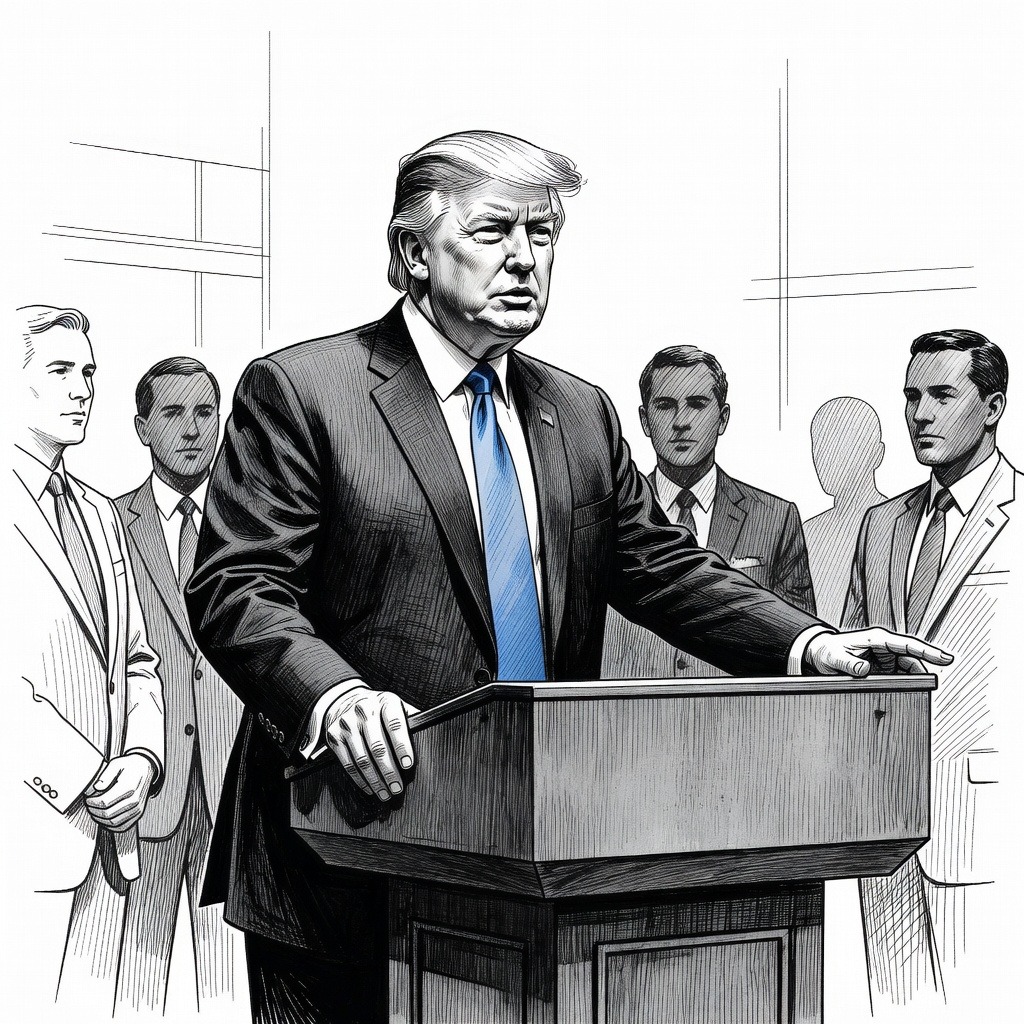
• Fracturing the Fragile Peace Prioritizing diplomatic continuity over kinetic posturing reveals these U.S. strikes as a critical failure of statecraft. Shattering the fragile April ceasefire replaces a predictable, albeit tense, status quo with unpredictable violence. By substituting negotiations with military exchanges, the administration actively degrades the environment necessary for securing the very long-term agreement it claims to desire.
• Triggering Global Economic Instability Viewing military action through the lens of collateral impact highlights the systemic risks of abandoning diplomacy. The two percent spike in global oil prices and ongoing disruptions to international shipping demonstrate that these skirmishes carry immediate, widespread economic consequences. Escalation in the Strait of Hormuz effectively taxes global consumers, proving that kinetic policies in vital waterways create more market disruption than actual security.
• Inviting Uncontrollable Retaliation Valuing strategic restraint exposes the profound danger in Trump’s threats of further military action. Iran’s willingness to launch a ballistic missile at an American base in Kuwait illustrates a high-risk retaliatory cycle that cannot be guaranteed to end in successful interceptions indefinitely. Relying on military ultimatums rather than diplomatic off-ramps traps both nations in an escalation spiral that drastically increases the likelihood of a broader regional war.
How it may affect me
As a U.S. reader:
• In the short term, you may see higher prices for fuel and consumer goods, as global oil prices have spiked by two percent and international shipping in the Strait of Hormuz faces ongoing disruptions.
• American military personnel deployed in the Middle East face immediate physical risks from retaliatory strikes, as Iranian forces are actively targeting U.S. bases and operations with drones and ballistic missiles.
• Long-term global supply chain stability will likely be impacted depending on whether U.S. military pressure and economic sanctions force a long-term diplomatic agreement or create compounding market disruptions.
• In the long term, the collapse of the recent ceasefire and threats of further military action elevate the risk of the United States being drawn into a broader regional war.