
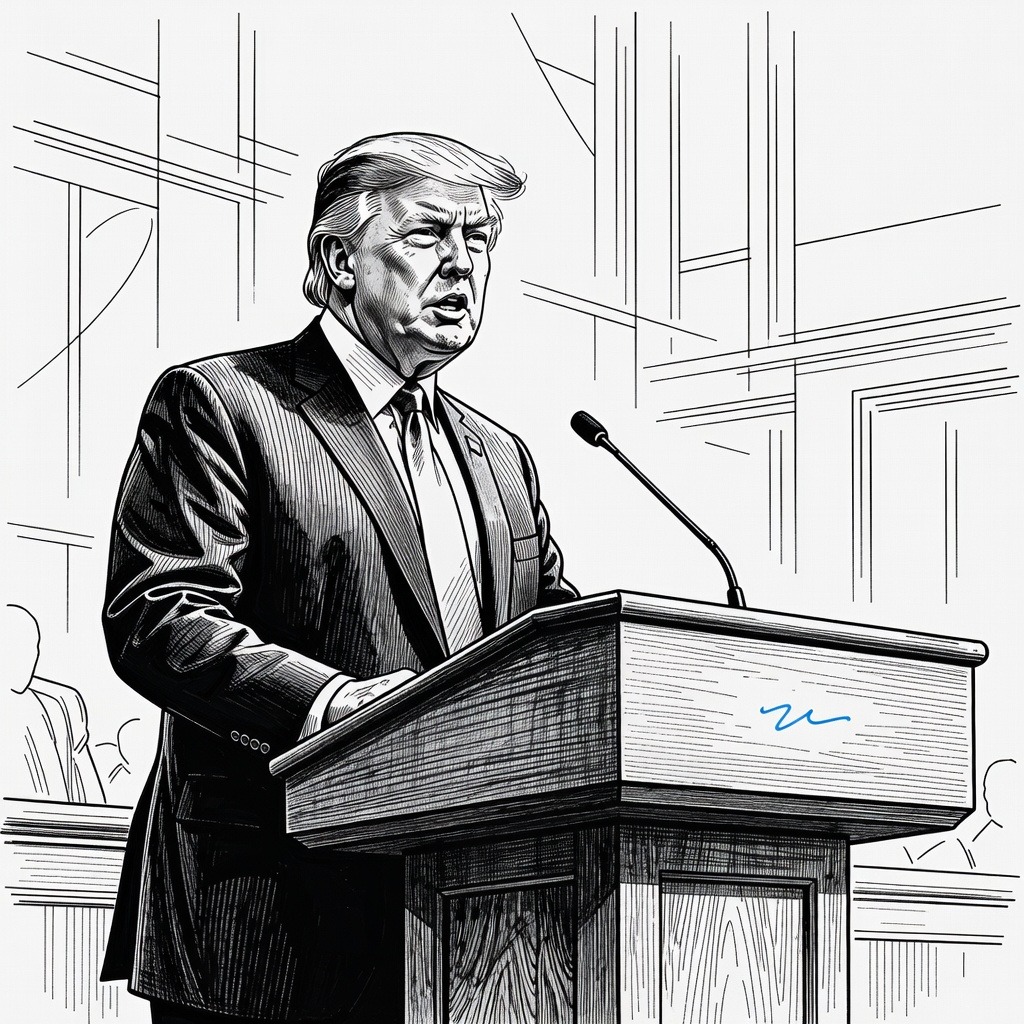
• Peril of Escalatory Strikes The Humanitarian framework views the overnight U.S. military strikes on Iranian targets as a reckless endangerment of diplomatic progress. By attacking while negotiations are ostensibly advancing, this approach validates the Iranian Foreign Ministry's accusations of a severe ceasefire violation. This camp prioritizes de-escalation, arguing that kinetic actions undermine good-faith international diplomacy and threaten to immediately derail any impending peace agreement.
• Collateral Cost to Civilians This perspective emphasizes that militaristic escalation directly drives global economic hardship, noting that the late February conflict effectively closed the Strait of Hormuz and spiked crude oil near $100 per barrel. The resulting inflationary pressure—manifesting in 3 percent Eurozone inflation and delayed U.S. interest rate cuts—disproportionately harms everyday citizens while the S&P 500 advances. The Humanitarian lens sees these elevated living costs as the tragic, predictable fallout of prioritizing force over early, peaceful resolution.
• Illusion of Coerced Peace Relying on military strikes to force the surrender of highly enriched uranium is viewed as fundamentally unstable and short-sighted. This camp fears that extorting concessions through bombardment breeds long-term regional resentment rather than sustainable, structural security. If repeated ceasefire violations cause Iran to abandon the negotiating table entirely, the global economy faces entrenched, punitive fuel prices and the perpetual risk of a devastating regional war.
How it may affect me
As a U.S. reader:
• In the short term, consumers will continue to face elevated fuel prices and higher overall living costs as the ongoing geopolitical conflict keeps crude oil prices near $100 per barrel.
• Borrowing costs for everyday public financial needs, such as mortgages and loans, are likely to stay high because sustained energy prices have diminished expectations for near-term interest rate cuts.
• Individuals with 401k plans or personal investments tied to U.S. equities like the S&P 500 and Nasdaq may see immediate gains in their portfolios due to the current technology-driven market rally.
• In the long term, future household expenses hinge on diplomatic outcomes; a finalized peace deal that reopens global shipping lanes could eventually lower fuel costs and normalize interest rates, while failed negotiations and continued military escalation risk entrenching these high prices indefinitely.