
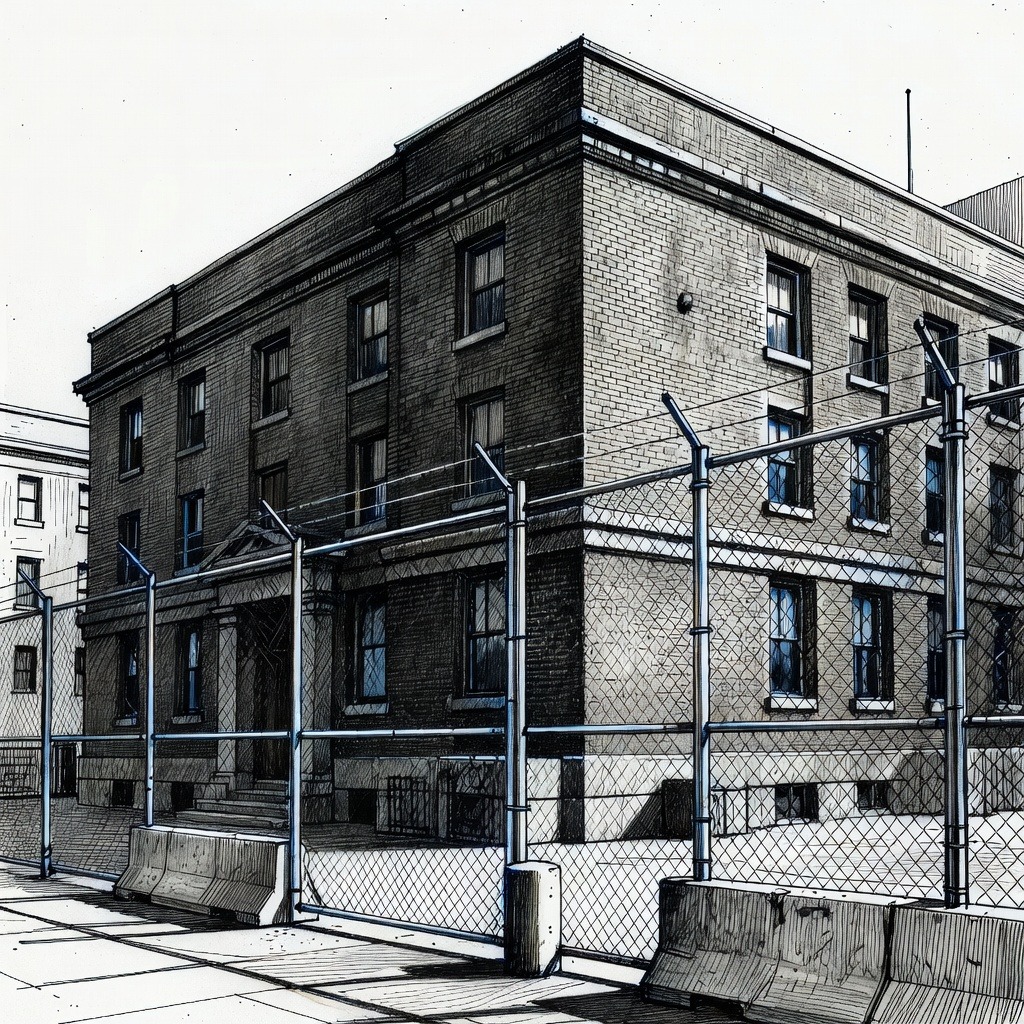
• Shielding the Vulnerable Population The Left prioritizes fundamental human rights and views the 300-person hunger strike as a desperate, necessary measure against institutional cruelty. Allegations of medical neglect, starvation, and psychological torture validate underlying suspicions that private carceral systems inherently degrade human dignity in pursuit of efficiency or profit. For reformers, the detainees' letter serves as a critical whistleblowing event that exposes the moral failures of an unchecked immigration enforcement apparatus.
• Demanding Institutional Democratic Oversight Democratic accountability requires absolute transparency, making Governor Sherrill’s blocked access a glaring red flag for systemic cover-ups. Reformers reason that if a facility is truly providing adequate conditions and dietician-approved meals, it should readily welcome an inspection by a state's chief executive. Denying entry to an elected official is interpreted as a deliberate tactic to obscure human rights abuses and insulate private detention operations from public scrutiny.
• Challenging Systemic Informational Blackouts The Department of Homeland Security's suspension of all visitation is viewed not as a genuine safety protocol, but as a punitive mechanism designed to isolate detainees from external advocates. The Left argues that authorities are weaponizing the physical confrontations outside Delaney Hall as a convenient pretext to sever the detainees' lifeline to their relatives and legal support. This reflects a broader fear that federal agencies will leverage fabricated "security concerns" to suppress civil liberties and crush legitimate dissent.
How it may affect me
As a U.S. reader:
• In the short term, local residents and commuters in the Newark area may face physical safety risks and localized disruptions due to the ongoing protests, barricades, and physical confrontations outside the facility.
• Family members and legal advocates will experience immediate barriers to access and communication with detainees due to the federal suspension of all visitation rights.
• Over the long term, the dispute between the state governor and federal authorities could prompt broader legislative or legal conflicts concerning state jurisdiction and the democratic oversight of private immigration detention centers.
• The use of physical pushbacks and visitation suspensions by federal agencies could set new security precedents, potentially altering how public protests and civil liberties are managed outside government and private carceral facilities.