
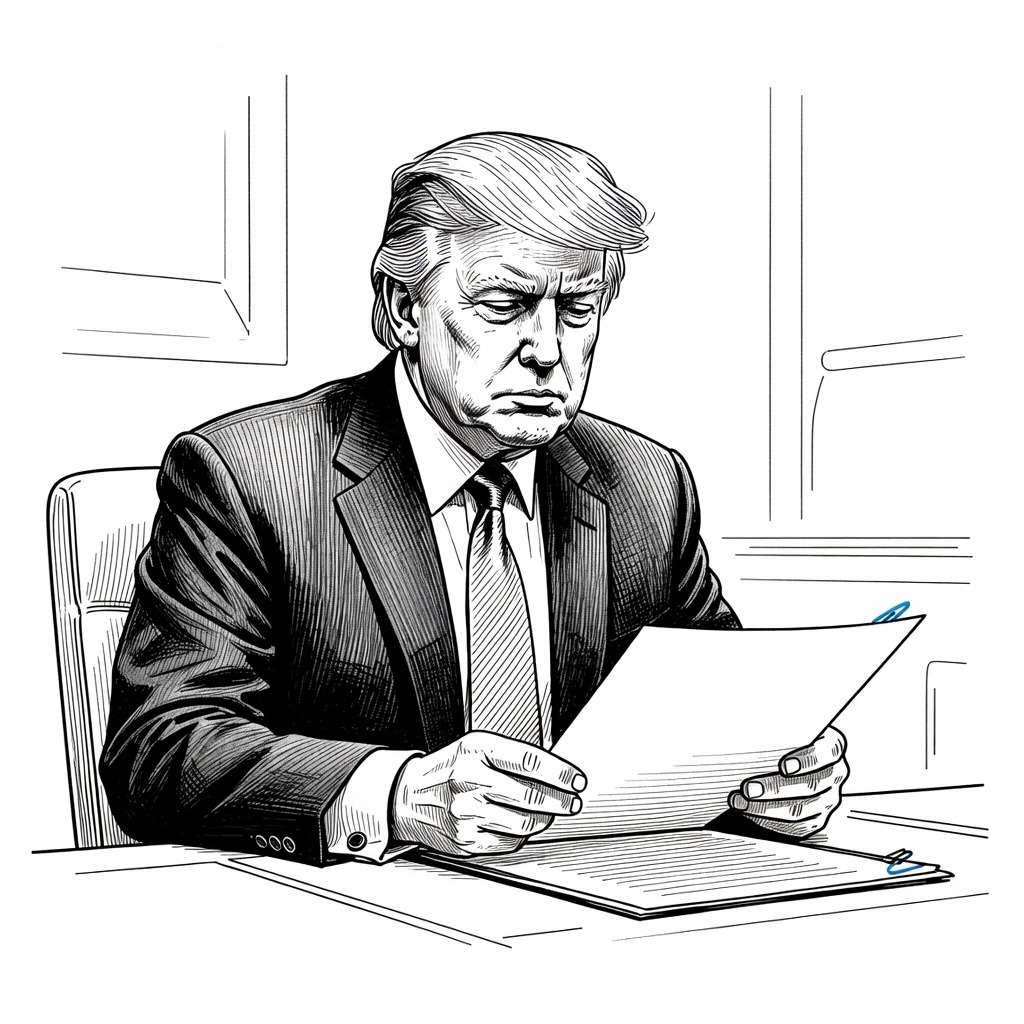
• Prioritize Diplomatic Off-Ramps Prioritizing diplomatic de-escalation over perpetual warfare yields concrete security dividends. Securing the surrender of Iran's highly enriched uranium through the negotiated end of "Operation Epic Fury" eliminates a major nuclear threat without incurring massive civilian casualties. The fact that an isolated Mojtaba Khamenei has agreed to the draft contours via courier demonstrates that negotiated off-ramps remain viable even after severe kinetic exchanges.
• Anchor Global Maritime Stability Reopening global trade routes requires transitioning from aggressive military posturing to functional, mutually recognized treaties. Ending the active U.S. blockade and restoring toll-free transit through the Strait of Hormuz resolves severe disruptions, such as the recent mass vessel-tracking blackout near the UAE oil hub. Utilizing the 60-day window to formalize these terms prioritizes long-term economic predictability over endless maritime friction.
• Shield Against Hardliner Sabotage The primary risk to regional security lies in domestic hardliners actively working to derail the ceasefire. Critical pushback from U.S. Republican lawmakers and defiant statements regarding absolute sovereignty from the Iranian military threaten to collapse a highly fragile compromise. Allowing these hawkish factions to override the negotiated draft risks plunging the region back into a devastating armed conflict just as a peaceful resolution is within reach.
How it may affect me
As a U.S. reader:
• The reopening of the Strait of Hormuz and resumption of crude oil transfers could stabilize global supply chains and provide long-term economic predictability, though short-term market volatility may persist due to unresolved transit tolls and maritime disruptions.
• A finalized agreement would end active U.S. military involvement in Operation Epic Fury and reduce casualty risks for American service members, but a collapse of the fragile 60-day negotiations could plunge the military back into armed conflict.
• The proposed surrender of Iran's highly enriched uranium would remove a significant nuclear threat, directly improving long-term national security for the U.S. public and reducing the likelihood of future military escalation.