
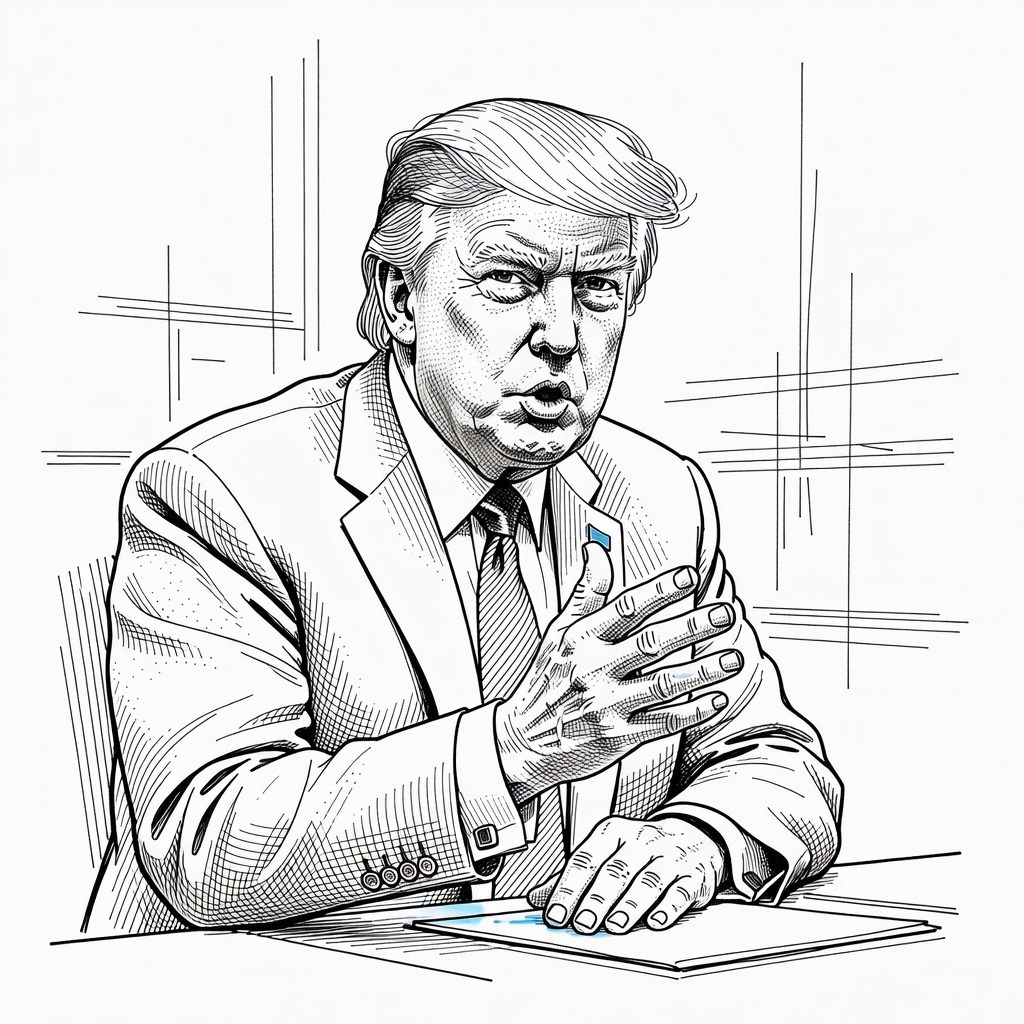
• Champion Diplomatic De-Escalation Sustained peace requires exhausting all diplomatic channels before resorting to kinetic military action. Canceling the anticipated U.S. airstrikes to allow time for constructive negotiations is viewed as a strategic triumph that prevented a catastrophic regional war. The resulting 5 percent drop in crude oil prices validates the core belief that diplomatic off-ramps stabilize global systems far better than armed aggression.
• Reverse Civilian Economic Shocks Militarized foreign policy and reciprocal maritime blockades disproportionately punish global citizens through severe energy inflation. Advancing negotiations to reopen the Strait of Hormuz—restoring the flow of 20 percent of the world's oil supply—is prioritized as a vital necessity to reverse the supply disruptions that began in March. True global security involves protecting civilian populations from the downstream economic fallout of geopolitical standoffs.
• Warn Against Coercive Overreach Maintaining a full U.S. blockade on Iranian ports until a deal is formally signed presents a fragile risk to the current diplomatic momentum. Hardline pressure tactics threaten to derail the orderly talks by cornering the adversary and stripping away immediate incentives for mutual compromise. There is deep concern that President Trump's instruction to "not rush" an agreement while sustaining a siege could provoke retaliatory maritime closures and reignite the immediate threat of war.
How it may affect me
As a U.S. reader:
• In the short term, the 5 percent drop in crude oil prices is likely to ease the severe energy inflation and high consumer costs that resulted from global supply disruptions starting in March.
• The recent record-setting close for U.S. equities suggests short-term financial stability and reduced market volatility for individual investors following the cancellation of anticipated airstrikes.
• Over the long term, a finalized agreement to reopen the Strait of Hormuz would restore 20 percent of the global oil supply, offering sustained relief from supply shortages and downstream economic shocks.
• Until a deal is officially certified, the continuation of the U.S. blockade presents a short-term risk of derailed negotiations or retaliatory closures, which could trigger a sudden return of energy price spikes.